

Bank of Zambia phases out cheques in June 2026
From 26 June 2026, banks will no longer clear cheques between one another, ending a payment instrument whose use has fallen about 80% in a decade.
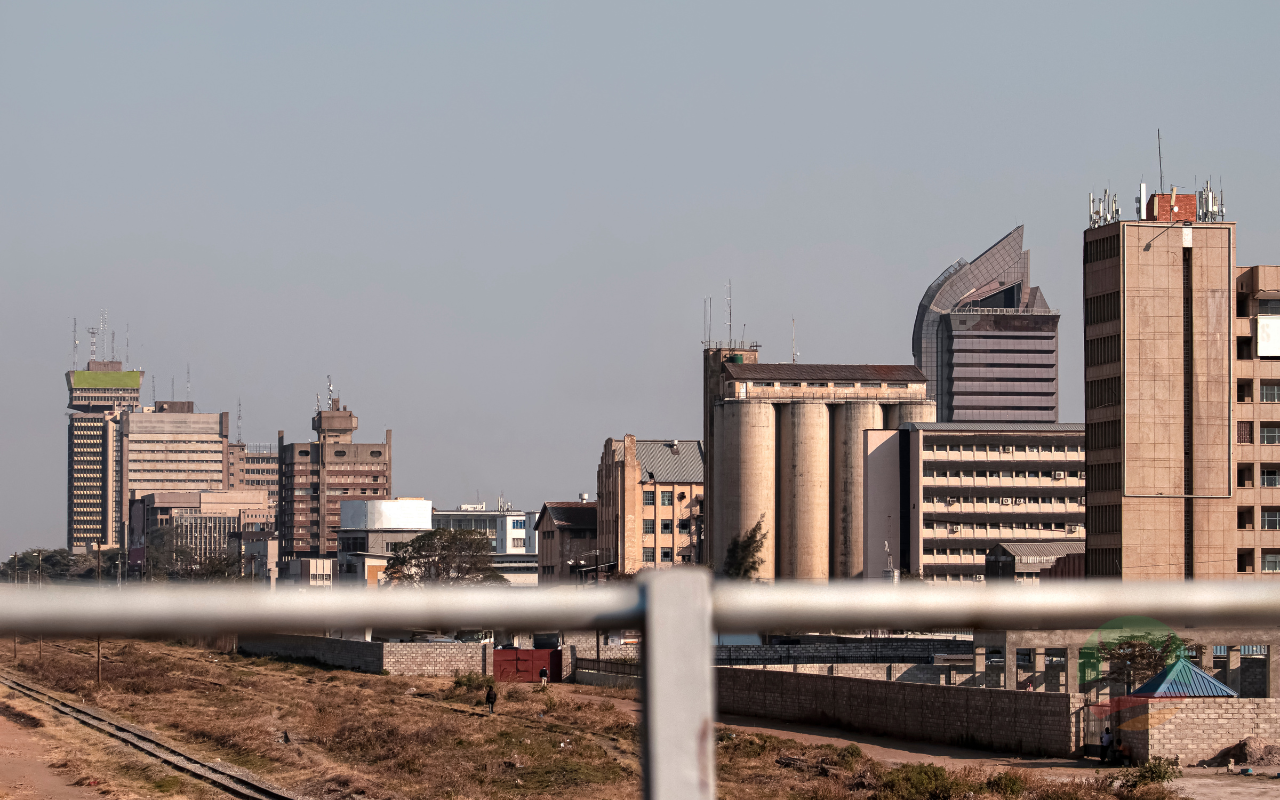
Photo: ZANISzanisGovernment of Zambia — editorial use
LUSAKA, 26 JUNE 2026—Updated 8 Jul 2026
LUSAKA — The cheque is finished as a way to pay in Zambia, with 26 June 2026 the last day banks will clear cheques between one another, the Bank of Zambia said.
The retirement of the cheque draws a line under a payment instrument that once anchored business and government transactions in Zambia. For firms still cutting cheques for suppliers, payroll or rent, the change forces a switch to electronic channels — part of Zambia's move to instant cross-border payments and a wider modernisation of the national payment system.
According to the Bank of Zambia, cheques have not been accepted as a payment instrument since 24 June 2026, and 26 June 2026 marks the final day for interbank clearing in the national payment system. After that date, cheques can no longer be cleared between banks, leaving any cheque written from now on with no path to settlement.
The regulator set out the rationale in a public notice. Data shows the value of cheque transactions has fallen by about 80% over the past 10 years, evidence of a long retreat as households and businesses moved to faster, cheaper electronic options. The Bank of Zambia said cheques are also prone to fraud — forgery, alteration, theft of cheque books and unauthorised use — while electronic payments have grown.
The Bank of Zambia phases out the cheque against a payment market already dominated by digital channels. Mobile money, in particular, has become the everyday wallet for millions of Zambians, settling transfers in seconds at a fraction of the cost of clearing paper. Analysis of the national payment system shows that interbank cheque clearing carried multi-day settlement lags, locking up funds and slowing the pace of commerce for the businesses that still relied on it.
The phase-out ran on a published timeline. The Bank of Zambia issued its public notice on 27 December 2024. The 28th of February 2025 was the last day to request cheque books, and 31 March 2025 the last day to deposit a cheque. The 26th of June 2026 closes the process as the last day for interbank clearing.
In place of the cheque, the Bank of Zambia urged users to move to electronic funds transfers, mobile money, and card payments through the digital platforms of commercial banks. The shift aligns with the Bank of Zambia's recent monetary-policy moves and a national agenda that leans on real-time payments to widen access and cut cash handling.
Cheques are no longer accepted as a payment instrument, and the value of cheque transactions has fallen by about 80% over the past 10 years, while cheques remain prone to fraud through forgery, alteration and unauthorised use; users should move to electronic funds transfers, mobile money and card payments.
— Bank of Zambia, <a href="https://www.boz.zm/Public-Notice-On-Phasing-out-of-Cheques.pdf">public notice on phasing out of cheques</a>
Key dates: 27 December 2024, public notice issued; 28 February 2025, last day to request cheque books; 31 March 2025, last day to deposit a cheque; 24 June 2026, cheques no longer accepted; 26 June 2026, last day for interbank clearing. After 26 June 2026 a cheque cannot be cleared between banks — use EFT, mobile money or card instead.
Background
The cheque has been losing ground in Zambia for years. The Bank of Zambia data shows an 80% drop in cheque values over a decade, a decline that tracks the rise of mobile money and bank-to-bank transfers. As phones became the default wallet for millions of Zambians, the paper instrument — slow to clear and easy to forge — looked increasingly out of step with how money actually moves.
The regulator frames the change as a clean-up of the national payment system rather than a sudden break. Research and supervisory analysis across central banks shows that retiring high-risk paper instruments tends to lower fraud and settlement costs. The Bank of Zambia's notice, first published in December 2024, gave more than 18 months of warning so banks and customers could migrate before the 26 June 2026 cut-off.
The decision also sits within the Bank of Zambia's broader monetary-policy and modernisation agenda. A national payment system built on real-time electronic rails gives the central bank cleaner data on how money moves, which in turn sharpens policy decisions on interest rates and liquidity. Evidence from regional peers shows that countries which retired cheques early saw faster adoption of instant payment platforms and lower cash-handling costs across the banking sector.
For ordinary account-holders the practical effect is narrow but real. Anyone still holding an unused cheque book can no longer use it, and any cheque deposited after the clearing window simply will not settle. According to the Bank of Zambia, the route forward is to register for a bank's digital platform, link a mobile-money wallet, or request a debit card — channels that most Zambian banks already offer at branch and app level.
What to watch
Watch how quickly small businesses, churches, schools and rural account-holders complete the switch, and whether commercial banks waive or trim EFT and mobile-money fees to ease the move. The wider test is whether the cheque's exit, set against easing inflation, accelerates Zambia's broader push to instant and cross-border digital payments.
Frequently Asked Questions
What is changing for cheques in Zambia?
In short, the cheque has been phased out as a payment instrument. According to the Bank of Zambia, cheques have not been accepted since 24 June 2026, and 26 June 2026 is the last day for interbank clearing. After that date, no bank can clear a cheque for another, so any cheque written has no route to settlement.
Why is the Bank of Zambia retiring the cheque?
The answer is falling use and rising risk. Bank of Zambia data shows cheque values have dropped about 80% over 10 years, and the regulator says cheques remain prone to fraud through forgery, alteration, theft of cheque books and unauthorised use. Research across payment systems reveals that paper instruments carry higher fraud and handling costs than electronic alternatives.
What are the alternatives to using a cheque?
Simply put, three channels replace the cheque. According to the Bank of Zambia, users should move to electronic funds transfers, mobile money, and card payments through commercial-bank digital platforms. With mobile money already serving millions of Zambians, the switch for most account-holders is a matter of using apps and services they likely already hold.
How does the timeline work for the phase-out?
The key is the published schedule, which ran over 18 months. According to the Bank of Zambia, the public notice was issued on 27 December 2024; 28 February 2025 was the last day to request cheque books; 31 March 2025 the last day to deposit a cheque; and 26 June 2026 the last day for interbank clearing. Data on each milestone gave banks time to migrate customers.
How can businesses prepare for the change?
In other words, firms should switch supplier, payroll and rent payments to electronic channels now. According to the Bank of Zambia, electronic funds transfers, mobile money and card payments are the route forward. With the value of cheque use already down about 80% over a decade, evidence shows most counterparties are ready to receive electronic payments rather than paper.
Sources
Primary sources for this report: Bank of Zambia public notice on phasing out of cheques and the Bank of Zambia website. For related coverage, see Kwacha News on markets coverage.
More on Markets

Zambia's inflation holds at 6.5% for a second month
Annual inflation stayed at 6.5% in July 2026, ZamStats said. Food inflation eased to 6.4% while non-food rose to 6.7%, holding the headline rate inside the central bank's target band.

Bank of Zambia cuts kwacha reserve ratio to 21%
The Bank of Zambia cut the statutory reserve ratio on kwacha deposits to 21% from 26%, freeing about K5 in every K100 of deposits for lending. The ratio on foreign-currency deposits stays at 36%.
The Kwacha News briefing.
Business, markets and the Zambian economy — in your inbox.

