

IEA warns of a copper deficit — the windfall Zambia banks on
The world is heading for a copper shortage. For Zambia, Africa’s second-biggest producer, the deficit the IEA warns about is the bet its recovery rides on.
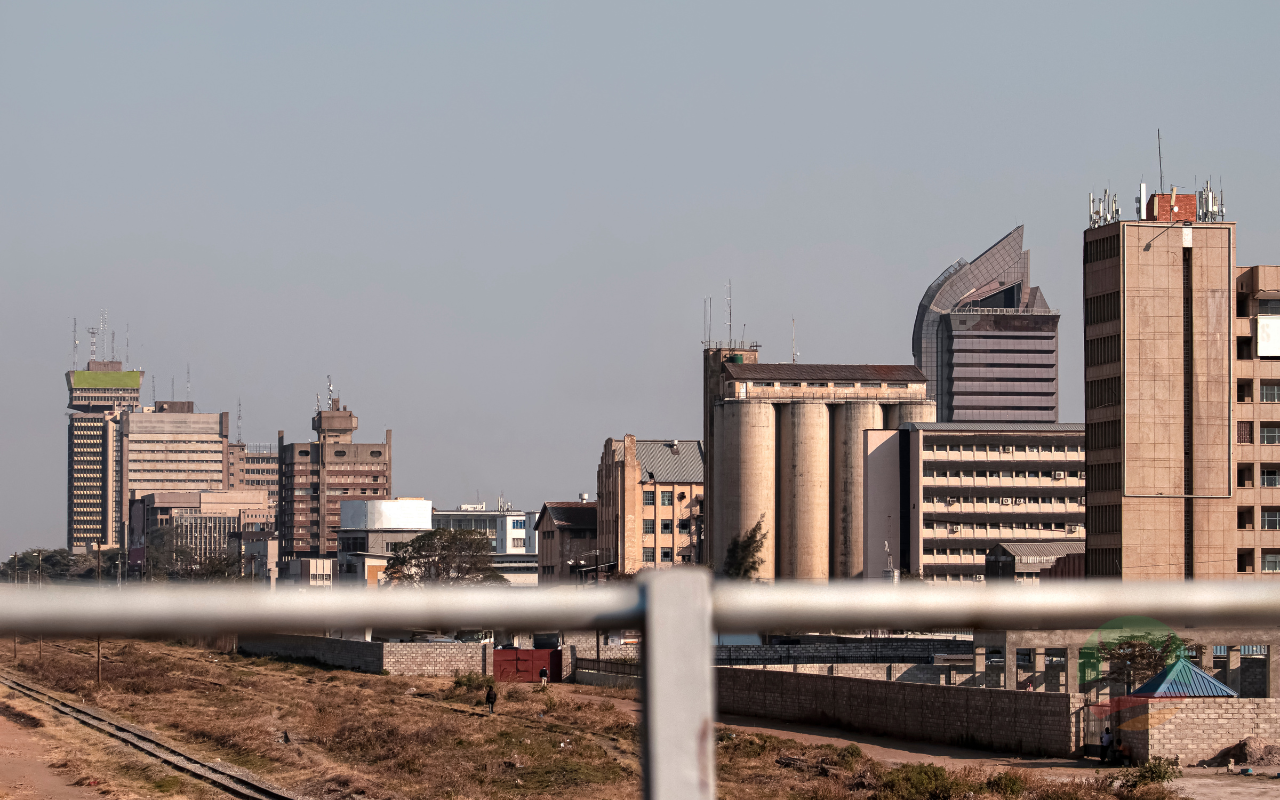
Photo: Bourenane ChahinewikipediaCC0
LUSAKA, 22 JULY 2026—Updated 22 Jul 2026
Analysis
LUSAKA — A widening global copper shortage is at the centre of Zambia’s economic bet, after the International Energy Agency warned that supply is falling far short of what the energy transition needs.
The read here is straightforward: the same deficit that worries manufacturers in Europe and Asia is the windfall Lusaka is counting on. Copper is Zambia’s largest export and the anchor of the national budget, and a market that pays more for every tonne it mines is, for Zambia, a tailwind at exactly the moment the country is trying to bank its recovery from a sovereign default.
What the IEA said
In its Global Critical Minerals Outlook 2026, published in mid-July, the IEA said the copper supply outlook had “worsened considerably,” and projected that mined supply will fall about 25% short of what the world needs by 2035 under current policies. The agency’s message: demand from electricity grids, electric vehicles and data centres is climbing faster than new mines can be built.
The market has already moved. Copper broke above US$14,000 a tonne on the London Metal Exchange in May 2026, and by mid-July the LME cash price sat around US$13,500 a tonne — up roughly 8% since the start of the year — with the US COMEX contract near US$6.30 a pound, according to trade-press and IEA data. Prices move daily, but the direction of travel has been one way for most of 2026: up, and near record highs.
The copper supply outlook has worsened considerably.
— International Energy Agency, Global Critical Minerals Outlook 2026, via <a href="https://www.mining.com/acid-test-iea-warns-copper-supply-outlook-has-worsened-considerably/">Mining.com, 16 July 2026</a>
The numbers
The IEA now sees copper supply about 25% short of demand by 2035 under current policies. LME cash copper traded near US$13,500 a tonne in mid-July 2026, up about 8% this year, after topping US$14,000 in May. Zambia mined a record 890,346 tonnes in 2025 and is targeting more than one million tonnes in 2026.
Why it matters for Zambia
Zambia mined a record 890,346 tonnes of copper in 2025, an 8% jump on the year before, and the Ministry of Mines and Minerals Development is targeting more than one million tonnes in 2026. President Hakainde Hichilema has set a longer goal of three million tonnes a year by the early 2030s. Kwacha News has reported on the fiscal backdrop to that push, from the rebasing of the economy to the return of investor appetite for Zambian assets.
What this means: a structural shortage is precisely the market Zambia wants to be selling into. The IEA singles out the Democratic Republic of Congo and Zambia as adding about 650,000 tonnes to the 2035 supply picture between them, and points to Barrick’s Lumwana “Super Pit” expansion in Zambia, targeting first production in 2028, as one of the mines the world is banking on. Higher prices lift export earnings, tax and royalty receipts, and the foreign-exchange the kwacha leans on.
The caution sits in the same sentence. A budget that rides the copper price also rides copper’s volatility, and the supply the IEA is counting on depends on projects being delivered on time — never a certainty in mining. A deficit is good news for a producer only for as long as it can dig the metal out and get paid for it.
Background
The IEA’s critical-minerals work has become a closely read gauge of where the energy transition’s raw-material bottlenecks lie. Copper is central because it wires everything the transition depends on — grids, motors, chargers and the data centres now driving fresh demand. Analysis in the 2026 outlook shows 2025 global refined-copper use rose about 3.7% to some 28 million tonnes, while supply disruptions cost more than 6% of mined output — the squeeze that helps explain the price.
What to watch
The next signals are Zambia’s own production run-rate against that one-million-tonne target, and whether the price holds as new supply eventually arrives. For readers, the number to watch is the copper price against the assumptions in the national budget — because that gap is where the windfall becomes real money or evaporates. This story is part of Kwacha News’s markets coverage.
Frequently Asked Questions
These are the questions readers have been asking since the IEA’s latest warning. Short answers follow, drawn from the agency’s outlook and market data.
What is the copper deficit the IEA warned about?
In short, it is a projected shortfall between how much copper the world will mine and how much it needs. The answer, simply put, is that the IEA expects supply to fall about 25% short of demand by 2035 under current policies. The key driver is electrification — grids, electric vehicles and data centres.
How does a copper shortage help Zambia?
Research from the IEA shows a tight market pushes prices up, and data reveals LME copper trading near US$13,500 a tonne in mid-July 2026. According to Zambia’s own figures, the country mined a record 890,346 tonnes in 2025, so higher prices lift export earnings, taxes and royalties. The answer is that scarcity rewards producers.
Why is copper so important to Zambia’s economy?
The answer is that copper is Zambia’s largest export and the anchor of the national budget. Evidence from the country’s trade data shows the metal dominates foreign-exchange earnings. In other words, the copper price moves the kwacha, the budget and the debt story together.
Who is driving the extra copper demand?
Simply put, the energy transition. According to the IEA, electricity grids, electric vehicles and data centres are the fastest-growing sources of demand. The data shows global refined-copper use rose about 3.7% in 2025, to roughly 28 million tonnes.
What are the risks to Zambia’s copper windfall?
Analysis of the market reveals two durable risks. The first is price volatility: research shows a budget tied to copper inherits copper’s swings. The second is delivery: evidence from the sector shows the extra output depends on mines such as Lumwana being built on schedule. Each risk is structural, not a passing worry.
Sources
Mining.com on the IEA outlook: IEA warns copper supply outlook has worsened considerably, 16 July 2026. International Energy Agency: copper commentary. London Metal Exchange: LME copper prices. Bloomberg: Zambia restates copper ambition after record output, 27 January 2026.
More on Markets

Zambia's inflation holds at 6.5% for a second month
Annual inflation stayed at 6.5% in July 2026, ZamStats said. Food inflation eased to 6.4% while non-food rose to 6.7%, holding the headline rate inside the central bank's target band.

Bank of Zambia cuts kwacha reserve ratio to 21%
The Bank of Zambia cut the statutory reserve ratio on kwacha deposits to 21% from 26%, freeing about K5 in every K100 of deposits for lending. The ratio on foreign-currency deposits stays at 36%.

El Niño returns: a double risk to Zambia’s copper and maize
A powerful El Niño is forming in the Pacific: good for the copper price Zambia’s budget leans on, bad for the rains its maize and hydropower depend on. It points both ways at once.
The Kwacha News briefing.
Business, markets and the Zambian economy — in your inbox.