

Bank of Zambia defends Investrust liquidation as staff sue
A collapsed lender, a court fight over redundancy pay, and a central bank insisting the law, not sympathy, decides who is paid first.
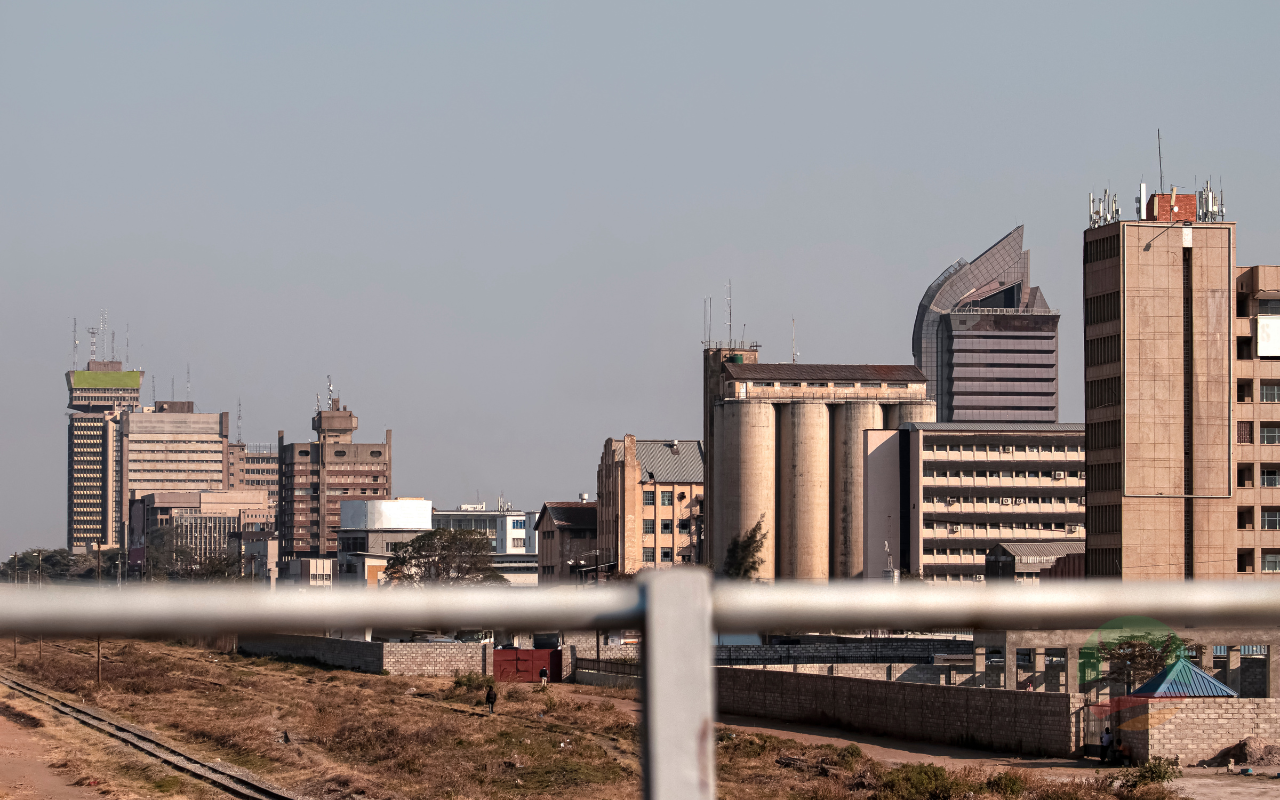
Photo: Chalo GarciaUnsplashUnsplash License
LUSAKA, 16 JULY 2026—Updated 16 Jul 2026
LUSAKA — The Bank of Zambia is defending its liquidation of Investrust Bank as 155 former employees sue the central bank in the Lusaka High Court over unpaid redundancy benefits.
The case sets laid-off staff of a collapsed lender against the regulator that closed it. The former employees say the liquidation was unlawful, and that the transfer of Investrust's business to the Zambia Industrial Commercial Bank (ZICB) amounted to a merger that ignored their claims. The Bank of Zambia says the process is lawful and necessary, and that every creditor will be paid in a strict legal order that no group of claimants can jump.
The fight lands on the desk of a central bank that has spent the past year modernising how Zambians handle money, from phasing out cheques to reshaping settlement rules. The redundancy claim now tests a harder question: what happens to workers when a licensed bank fails.
What the former employees allege
Lead plaintiff Langham Joseph Mwanza and 154 other former employees have taken the Bank of Zambia to the Lusaka High Court, seeking salaries, benefits and redundancy packages the claimants say remain outstanding. The former staff form part of more than 310 workers affected when Investrust closed in July 2024, according to reporting on the High Court proceedings.
According to the claim, the decision to place Investrust under compulsory liquidation was flawed because the central bank first arranged a purchase and assumption agreement that moved the bank's key assets and deposits to ZICB. The former employees argue that arrangement amounted to a merger, and that a merger should have carried the workers' rights and liabilities with it, obligations the claimants say were then set aside.
reckless, unlawful and unjust
— Former Investrust Bank employees, describing the liquidation before the <a href="https://www.zambiamonitor.com/bank-of-zambia-defends-liquidation-of-investrust-bank-calls-decision-lawful-necessary/">Lusaka High Court, 2026</a>
The former employees also accuse the regulator of failing to follow proper redundancy procedures required under Zambian labour law, and want the court to declare the whole process unlawful. The relief sought would, in effect, lift the staff claim above the queue the Bank of Zambia says the law imposes.
How the Bank of Zambia is defending the process
The Bank of Zambia defends the process as lawful and necessary. In a press statement on Investrust Bank Plc (In Liquidation), the central bank said the collapse left no realistic alternative: Investrust was insolvent, and liquidation protected depositors and the wider financial system.
The liquidation of Investrust Bank Plc is being conducted strictly in accordance with the law.
— Bank of Zambia, <a href="https://www.boz.zm/Press-Statement-Investrust-Bank-PLC-In-liquidation.pdf">press statement on Investrust Bank Plc (In Liquidation)</a>
The central bank has leaned on the Banking and Financial Services Act, 2017, which empowers the regulator to intervene when a bank cannot meet its obligations. Under that Act, the Bank of Zambia said, claims from the liquidation will be settled in the order of priority the law prescribes, and no category of creditor, former staff included, will be moved ahead of the sequence set out in statute.
The point that matters most to the claimants is one of timing. The Bank of Zambia said no payouts will be made until money is raised from selling Investrust's remaining assets and every legal, administrative and accounting step is complete. A win in court, on the central bank's reading, would still not put cash in workers' hands before that process runs its course.
The money at the centre of the case
At a glance
Plaintiffs: 155 former employees (lead plaintiff Langham Joseph Mwanza and 154 others), part of more than 310 affected staff. Reported staff liabilities: about K135.9 million. Reported cash balances held: about K192.1 million. Bank closed: July 2024. Court: Lusaka High Court. Governing law: Banking and Financial Services Act, 2017.
Figures reported in the dispute put Investrust's staff liabilities at about K135.9 million, against cash balances of roughly K192.1 million held by the bank, a gap that on paper looks wide enough to cover the redundancy bill. The Bank of Zambia's position is that the arithmetic is not that simple: available cash is not the same as distributable cash until claims are ranked and higher-priority obligations are met.
Whether the reported balances survive the costs of liquidation, from legal fees and administration to any senior claims, is one of the questions the Lusaka High Court will weigh. The former employees read the cash pile as proof the money exists; the central bank reads the same figure as a sum still bound by law before a single payment is released.
What 'liquidation' and the statutory order of priority mean
Liquidation is the process of winding up a company that cannot pay its debts. A liquidator takes control, sells what the company owns, shares the proceeds among those owed money, and the company is then dissolved. For a bank, the Bank of Zambia or a court-appointed liquidator runs that process under banking law rather than ordinary company-insolvency rules.
The statutory order of priority is the ranking that decides who gets paid first when the money is shared out. Set by the Banking and Financial Services Act, 2017, the order places the costs of the liquidation, along with secured and preferred claims, ahead of ordinary unsecured creditors. The practical effect is blunt: a claimant's place in the queue, not the strength of the grievance, determines how much is recovered and when.
That ranking is the heart of the Bank of Zambia's message to the former staff. Sympathy for laid-off workers, the central bank argues, does not change the sequence the law lays down, and a court cannot simply reorder the queue without unsettling the rules that govern every bank failure.
Background
Investrust Bank was a Lusaka-based commercial lender, licensed by the Bank of Zambia and once listed on the Lusaka Securities Exchange. The central bank took possession of Investrust in 2024 after the lender became insolvent, then moved to resolve the collapse through the purchase and assumption deal with ZICB before compulsory liquidation followed.
The redundancies that triggered the lawsuit came as the bank closed in July 2024. Former staff have pressed for payment ever since, and more than 310 workers say wages and benefits are still owed. The court case escalates a grievance that has simmered for well over a year, and arrives while the same regulator reshapes monetary policy and payments, having cut its policy rate to 13.25% in May.
What to watch
The Lusaka High Court must now decide whether the liquidation and the ZICB transfer were lawful, and whether the redundancy claims can be lifted above the statutory queue. A ruling for the claimants could force the Bank of Zambia to treat staff entitlements differently in future bank failures. A ruling for the regulator would harden the principle that failed-bank payouts follow statute, not pressure.
For depositors, workers and investors alike, the outcome is a test case for how bank failures are resolved across Zambia's markets, and a signal of how far the courts will let hardship bend the order in which a broken bank pays its debts.
Sources
This report draws on the Bank of Zambia's press statement on Investrust Bank Plc (In Liquidation) and its public notice on the resolution of Investrust Bank, together with reporting by Zambia Monitor on the High Court proceedings. Background on Investrust's licensing and listing draws on public records for the bank.
Frequently Asked Questions
What is the Investrust Bank liquidation?
In short, the Investrust Bank liquidation refers to the court-supervised winding up of the collapsed Zambian lender, which the Bank of Zambia took into possession in 2024. According to the central bank, the process is being conducted strictly in accordance with the law, with proceeds shared among creditors before the company is dissolved.
Why is the Bank of Zambia being sued?
Simply put, 155 former employees have sued because, according to the court filing, redundancy benefits have gone unpaid since Investrust closed in July 2024. Court documents show the claimants want the liquidation, and the transfer of assets to ZICB, declared unlawful.
Who is Langham Joseph Mwanza?
The answer is the lead plaintiff. Langham Joseph Mwanza is the former Investrust employee heading the group of 155 claimants, according to filings before the Lusaka High Court. Court records reveal the group forms part of more than 310 affected staff.
How does a purchase and assumption agreement work?
In other words, a stronger bank buys selected assets and takes on selected deposits of a failing one. The Bank of Zambia's account shows ZICB assumed parts of Investrust under such an agreement, an arrangement the plaintiffs say amounted to a merger that carried the workers' claims with it.
What are the redundancy benefits at the centre of the case?
The key is what workers are owed when a job ends. The redundancy benefits are the salaries, terminal payments and packages due to staff made redundant, and analysis of the claim shows the former employees value the outstanding staff liabilities at about K135.9 million. The Bank of Zambia says any payment must follow the statutory order of priority prescribed by law.
More on Markets

Zambia's inflation holds at 6.5% for a second month
Annual inflation stayed at 6.5% in July 2026, ZamStats said. Food inflation eased to 6.4% while non-food rose to 6.7%, holding the headline rate inside the central bank's target band.

Bank of Zambia cuts kwacha reserve ratio to 21%
The Bank of Zambia cut the statutory reserve ratio on kwacha deposits to 21% from 26%, freeing about K5 in every K100 of deposits for lending. The ratio on foreign-currency deposits stays at 36%.
The Kwacha News briefing.
Business, markets and the Zambian economy — in your inbox.

