

Ghana, Rwanda and Zambia test instant cross-border payments
A pilot links Ghana, Rwanda and Zambia in a digital trade corridor that lets payments settle instantly in local currencies — cedi, franc and kwacha — without routing through the US dollar.
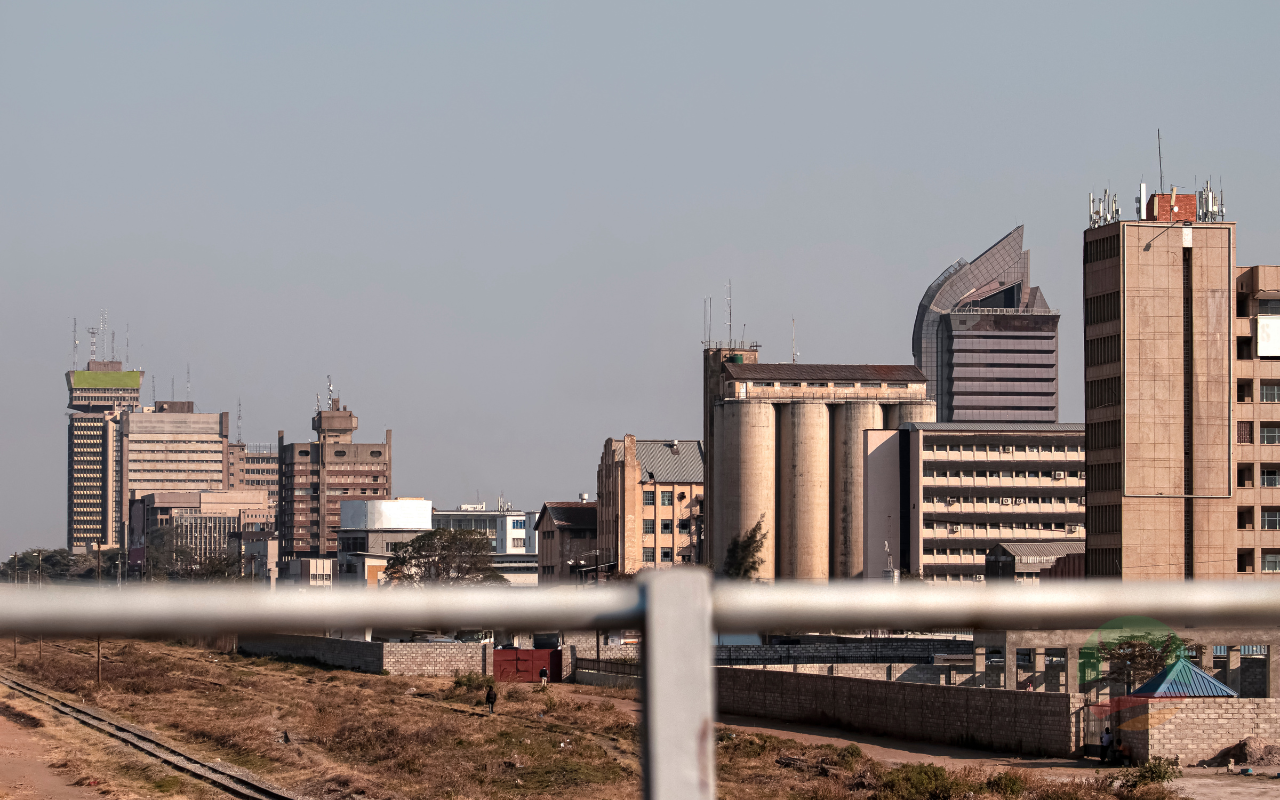
Photo: Sincerely MediaUnsplashUnsplash License
LUSAKA, 10 JUNE 2026—Updated 20 Jun 2026
ACCRA — Ghana, Rwanda and Zambia are testing a digital trade corridor that allows cross-border payments to settle instantly in local currencies, cutting reliance on the US dollar.
The pilot matters for Zambian businesses because the cost and delay of paying across borders is one of the biggest brakes on regional trade. Today a Lusaka importer paying a supplier in Accra typically converts kwacha to dollars, then dollars to cedi, paying a spread at each step and waiting days for the money to clear. The corridor being tested would let the kwacha settle directly against the cedi and the Rwandan franc, in close to real time.
The corridor runs on the Pan-African Payment and Settlement System (PAPSS), an African Union-backed infrastructure built to connect national payment switches across the continent. According to reporting carried by AllAfrica, PAPSS now links more than 17 countries, 14 national switches and over 150 commercial banks, and the three-country pilot is a test of how far that plumbing can go.
The system was showcased at the 3i Africa Summit in Accra in May, where Ghana’s Ghana Interbank Payment and Settlement Systems (GhIPSS) presented the corridor alongside Rwandan and Zambian counterparts. The design rests on four pillars — payments, digital identity, regulation and infrastructure interoperability — and ties national digital identity systems into the flow so that a payer in one country can be verified in another. This story is part of Kwacha News’s continuing markets coverage.
What is being tested
At its core, the pilot is a test of instant local-currency settlement. Instead of a payment hopping through the dollar, PAPSS clears the transaction between the two national systems and settles the difference centrally, so the sender pays in kwacha and the receiver is paid in cedi or francs. The promise is lower cost, faster clearing and less exposure to dollar shortages — a recurring problem for Zambian firms when the kwacha is under pressure.
The three countries are not starting from scratch. The Central Bank of Kenya and the National Bank of Rwanda signed a memorandum of understanding in March on licence passporting, a step that lets a financial firm licensed in one market operate in the other. The Ghana, Rwanda and Zambia corridor builds on that direction of travel, folding payments, identity and regulation into a single test.
For the corridor to work at scale, the regulation pillar matters as much as the technology. Banks and mobile-money operators in each country must agree on how to verify customers, share data and settle balances, and central banks must be comfortable that the flows are visible and safe. The pilot is a way to work those questions out on a small set of routes before opening the corridor wider.
Economic sovereignty in the twenty-first century is inseparable from digital sovereignty.
— Ghana Vice President Professor Jane Naana Opoku-Agyemang, speaking at the 3i Africa Summit, reported by <a href="https://allafrica.com/stories/202606090548.html">AllAfrica</a>
Snapshot: Ghana, Rwanda and Zambia are piloting instant cross-border payments over PAPSS, the African Union-backed Pan-African Payment and Settlement System that links 17-plus countries, 14 national switches and 150-plus banks. Payments settle directly in local currencies — cedi, franc and kwacha — without routing through the US dollar. The corridor was showcased at the 3i Africa Summit in Accra and rests on four pillars: payments, digital identity, regulation and infrastructure interoperability.
Background
The dollar dependence the pilot targets is expensive. Because most African currencies do not trade directly against each other, a payment between two African countries usually passes through the dollar, adding conversion costs and tying the transaction to the supply of foreign exchange. For Zambia, where the kwacha’s value against the dollar moves with the copper price, that dependence imports volatility into everyday trade. Kwacha News has reported on the kwacha’s recent run, including when it strengthened below K18 to the dollar on firmer copper.
The corridor also sits inside a broader push to build African financial infrastructure rather than rent it. Kwacha News has examined how African fintech firms build for the constraints of the market they serve, from patchy connectivity to thin formal banking. PAPSS is the wholesale layer beneath that retail innovation — the rails that let a mobile-money payment in Lusaka reach a merchant in Kigali.
The continental backdrop is the African Continental Free Trade Area (AfCFTA), which aims to lift trade between African countries but runs into the practical problem that paying across borders is slow and costly. Research from bodies including the World Bank and the GSMA has long flagged payments friction as a drag on intra-African trade. A working cross-border settlement layer is one of the missing pieces.
What to watch
The first thing to watch is whether the Bank of Zambia and the country’s commercial banks move from the pilot to live transactions, and on which routes. A test that stays a test changes nothing; the signal will be the first real kwacha-to-cedi payment cleared over the corridor.
The second is cost. The case for the corridor is that it is cheaper than the dollar route, so the number that matters is the all-in price of a cross-border payment before and after. If the saving is real and visible, adoption follows; if the fees creep back in, businesses will stick with what they know.
The third is how many countries join. PAPSS already connects much of the continent on paper, but a corridor is only useful if both ends are live. The decision point for Zambian exporters is whether their main trading partners — in the region and beyond — are reachable on the system, which is what will determine whether the pilot becomes part of how Zambia trades.
Frequently Asked Questions
These are the questions readers have been asking about the cross-border payments pilot. Short answers follow, drawn from reporting on the 3i Africa Summit and the design of PAPSS.
What is the Ghana, Rwanda and Zambia payments pilot?
In short, the pilot is a test of instant cross-border payments that settle in local currencies between the three countries. The answer, simply put, is that it lets a payer in one country pay in their own currency while the receiver is paid in theirs, without converting through the US dollar. The key is that it runs on PAPSS, the African Union-backed settlement system.
How does PAPSS work?
PAPSS connects national payment switches so a transaction clears between two countries’ systems and the balance is settled centrally. Data from the system shows it links more than 17 countries, 14 national switches and over 150 commercial banks. Research on African trade shows the aim is to cut the cost and delay of paying across borders.
Why does cutting dollar dependence matter for Zambia?
The answer is cost and risk. Because African currencies rarely trade directly, payments route through the dollar, adding conversion fees and tying trade to scarce foreign exchange. Evidence from Zambia’s own market shows the kwacha swings with the copper price, so dollar dependence imports volatility into everyday trade.
When could Zambians use the system?
Simply put, it depends on the pilot. The corridor is a test, and the next step is for the Bank of Zambia and commercial banks to move from trials to live transactions on real routes. According to the design, identity and regulation must be settled first, so a phased rollout is more likely than a single switch-on.
What are the real risks of the corridor?
Analysis of cross-border payment systems shows three durable risks: that fees creep back and erase the saving, that too few countries go live for the network to be useful, and that regulators move slowly on data and settlement rules. Evidence from earlier integration efforts reveals that the technology is rarely the hard part — the rules and the reach are.
Sources
AllAfrica (The Independent, Kampala): Ghana, Rwanda and Zambia test interoperable cross-border payment system. Pan-African Payment and Settlement System: PAPSS. African Export-Import Bank: Afreximbank, which backs PAPSS. Kwacha News coverage: the kwacha below K18 to the dollar and African fintech building for the constraint.
More on Markets

Zambia's inflation holds at 6.5% for a second month
Annual inflation stayed at 6.5% in July 2026, ZamStats said. Food inflation eased to 6.4% while non-food rose to 6.7%, holding the headline rate inside the central bank's target band.

Bank of Zambia cuts kwacha reserve ratio to 21%
The Bank of Zambia cut the statutory reserve ratio on kwacha deposits to 21% from 26%, freeing about K5 in every K100 of deposits for lending. The ratio on foreign-currency deposits stays at 36%.

El Niño returns: a double risk to Zambia’s copper and maize
A powerful El Niño is forming in the Pacific: good for the copper price Zambia’s budget leans on, bad for the rains its maize and hydropower depend on. It points both ways at once.
The Kwacha News briefing.
Business, markets and the Zambian economy — in your inbox.