

Tanzania suspends political rallies, citing security threats
Dar es Salaam halts rallies nationwide until further notice, three years after President Samia Suluhu Hassan lifted a six-year ban — a reversal that opposition parties say is unlawful.
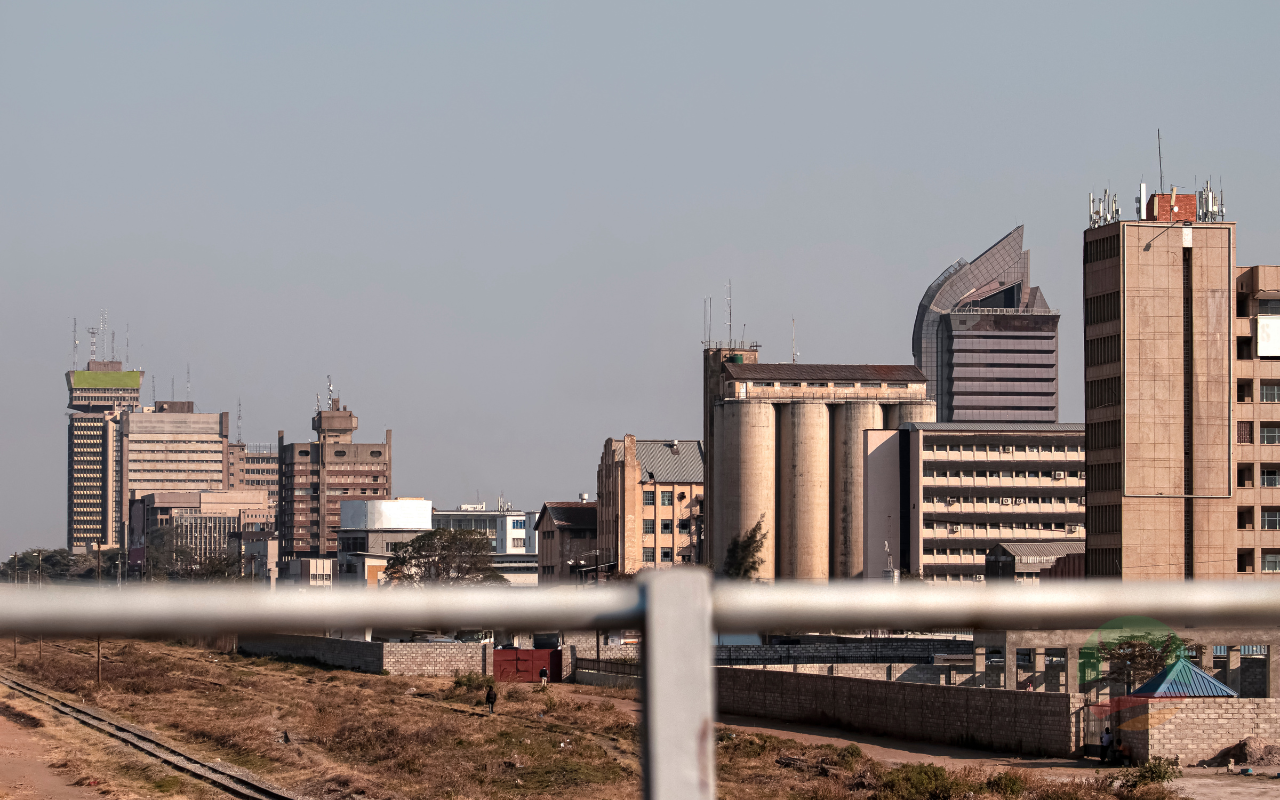
Photo: Andy DieselPexelsPexels License
LUSAKA, 27 JUNE 2026—Updated 27 Jun 2026
LUSAKA — Tanzania’s government is suspending political rallies nationwide until further notice, citing security threats, three years after it lifted a six-year ban on opposition gatherings.
The move tightens democratic space in one of East Africa’s largest economies just as Zambia heads towards its own open campaign period before the 13 August 2026 general election, and it is the kind of regional-governance shift Kwacha News tracks in its Africa and World coverage. The Tanzanian government said the suspension is necessary to maintain security, but opposition groups have called it unlawful and at least one party says it will challenge the directive in court.
The Tanzanian government has suspended political rallies across the country until further notice, saying the move is necessary to maintain security, BBC reported. The government said it had identified security threats, including individuals allegedly found in possession of weapons while planning criminal acts.
The decision has been criticised by opposition groups, which say the suspension is unlawful, according to the report. The opposition party ACT Wazalendo has said it will challenge the directive in court, the BBC reported.
The suspension comes amid reports of planned demonstrations calling for democratic reforms and accountability for the deadly suppression of protests that followed last year’s election, the report said.
The directive marks a reversal of reforms introduced by President Samia Suluhu Hassan, who lifted a six-year ban on political rallies in 2023 after restrictions imposed by her predecessor, John Magufuli, the BBC reported. The contrast with the region is stark: in Zambia, President Hakeem Hichilema has pledged a peaceful, open campaign before the August polls, an environment in which rallies continue rather than pause.
When she lifted the ban, President Samia acknowledged that political parties had the right to hold rallies but urged them to be “civil” and not to “trade insults”, according to the report. The current suspension was announced in parliament by Home Affairs Minister Patrobas Katambi.
ACT Wazalendo has accused the governing CCM party of using state institutions to suppress the opposition, the BBC reported; CCM has not responded to the allegations or commented on the government’s move, according to the same report.
We should focus on building our economy. During this period, we will not tolerate anyone who engages in any form of disorder.
— Patrobas Katambi, Tanzania’s Home Affairs Minister, addressing parliament (<a href="https://www.bbc.co.uk/news/articles/cx2vp83grpdo">BBC</a>)
Snapshot: Tanzania’s government has suspended political rallies nationwide until further notice, saying it is necessary to maintain security after identifying threats including people allegedly found with weapons while planning criminal acts. Home Affairs Minister Patrobas Katambi announced the move in parliament, citing an upcoming international trade fair and a focus on the economy. The suspension reverses President Samia Suluhu Hassan’s 2023 decision to lift a six-year ban first imposed under John Magufuli. Opposition party ACT Wazalendo calls the directive unlawful and says it will challenge it in court.
Background
Political rallies were first banned between elections in 2016 under President Magufuli, in what was widely seen as an attempt to weaken the opposition, the BBC reported. Magufuli said the rallies were a waste of time and money and distracted from the country’s key challenge of building the economy, according to the report.
That ban stood for six years until President Samia Suluhu Hassan lifted it in 2023, a reform that allowed opposition parties such as Chadema to gather again, the BBC reported. The new suspension therefore returns Tanzania to a restriction it had only recently relaxed.
The directive lands against a violent recent backdrop. During widespread protests that followed the results of the 29 October election, 518 people died from “unnatural causes”, including 197 who were shot dead, a commission of inquiry set up by President Samia to investigate the violence found, according to the report. The two main opposition presidential candidates were blocked from contesting the 2025 poll, the BBC reported.
Veteran opposition politician Joseph Selasini, of the Chadema party, said the government’s move came as opposition rallies had been drawing big crowds demanding justice for those killed in the post-poll violence, the report said. The scale of that violence was shocking for a nation that had cultivated an image of calm, consensus and order for nearly six decades, according to the BBC.
What to watch
The immediate test is ACT Wazalendo’s stated plan to challenge the directive in court, the BBC reported. A judicial ruling on whether the suspension is lawful would shape how long it holds and whether other parties join the action.
A second point to watch is the planned demonstrations that the suspension appears designed to pre-empt. The report said the move comes amid reports of planned protests calling for democratic reforms and accountability for last year’s post-poll deaths, so whether those demonstrations proceed, and how the authorities respond, will indicate the directive’s practical reach.
Finally, the government’s stated rationale ties the suspension to an upcoming international trade fair and a focus on the economy, the BBC reported, which leaves open the question of whether the restriction is framed as temporary or open-ended once that event has passed.
Zambia in contrast
For Zambian readers, the Tanzanian move reads against a markedly different domestic calendar. Zambia is in the run-up to a general election on 13 August 2026, and the campaign period is one in which parties expect to hold rallies and canvass openly rather than have gatherings paused by directive.
Kwacha News has reported that President Hakeem Hichilema has pledged a peaceful poll and an open campaign environment, a posture that contrasts with a neighbour suspending rallies on security grounds. The comparison is not a verdict on either country; it is a reminder that the rules governing campaign assembly differ sharply across the region even among democracies holding elections in the same window.
The wider pattern is visible elsewhere on the continent too. Kwacha News reported how, in the Horn of Africa, Ethiopia’s ruling Prosperity Party secured a parliamentary majority in its own contested cycle, underscoring how varied the conditions for opposition activity have become across Africa. For Zambia, which has positioned its August vote as a test of orderly, competitive politics, the Tanzanian decision is a regional data point on how quickly democratic space can narrow.
Frequently Asked Questions
These are the questions readers are asking about Tanzania’s suspension of political rallies. Short answers follow, drawn from the BBC report and the public record.
What is Tanzania suspending and for how long?
In short, the government is suspending political rallies across the country until further notice. The BBC report reveals the directive applies nationwide and was announced in parliament, with no fixed end date stated, according to the same report.
How does the government justify the suspension?
Simply put, it cites security. According to the BBC, the government said the move is necessary to maintain security and that it had identified threats, including individuals allegedly found in possession of weapons while planning criminal acts; Home Affairs Minister Patrobas Katambi also told parliament the country should focus on building its economy.
Why is this a reversal of earlier reforms?
The answer is that it undoes a recent opening. Evidence in the report shows President Samia Suluhu Hassan lifted a six-year ban on rallies in 2023 — restrictions first imposed under John Magufuli in 2016 — so reinstating a suspension returns Tanzania to a curb it had only lately relaxed.
What are the opposition parties saying?
In other words, they are pushing back. The report reveals that opposition groups call the suspension unlawful, that ACT Wazalendo says it will challenge the directive in court, and that ACT Wazalendo has accused the governing CCM party of using state institutions to suppress the opposition; the analysis notes CCM has not commented.
Which deadly events form the backdrop to this decision?
The key is last year’s post-election violence. According to a commission of inquiry set up by President Samia, the data shows 518 people died from “unnatural causes” after the 29 October election, including 197 who were shot dead, and the report found the two main opposition presidential candidates were blocked from contesting the 2025 poll.
Sources
Reporting: BBC — Tanzania suspends political rallies three years after lifting ban (Alfred Lasteck, BBC Africa, Dar es Salaam).
For Zambian readers, Tanzania’s decision is more than a neighbour’s internal affair. East Africa and Southern Africa share borders, trade corridors and migrant communities, and the health of one country’s democratic space is read by investors, diaspora families and regional bodies as a signal about the others. As Zambia approaches its 13 August 2026 vote with an open campaign period, the contrast offers a practical benchmark: the freedom to assemble and hold rallies is one of the clearest measures of a competitive election, and how Tanzania’s courts and parties resolve this suspension will be watched closely across the region by anyone weighing how durable that freedom is.
More on Africa/World

TAZARA at 50: Zambia weighs two routes to the sea
As TAZARA turns 50, landlocked Zambia is weighing two rival routes for its copper: east to the Indian Ocean via a rebuilt TAZARA, or west to the Atlantic via the Lobito Corridor.

African leaders back trade insurer ATIDI after record year
African leaders endorsed ATIDI — the pan-African insurer Zambia belongs to — as a cornerstone of a new African-led financial architecture, as the body marked 25 years with record 2025 results and a call to recapitalise it to US$2 billion.
The Kwacha News briefing.
Business, markets and the Zambian economy — in your inbox.
