

Zambia swaps Eurobond debt for power grid in AfDB-backed deal
A debt-for-energy conversion lets Zambia buy back a 2053 Eurobond using an African Development Bank loan, with the savings recycled into the electricity grid.
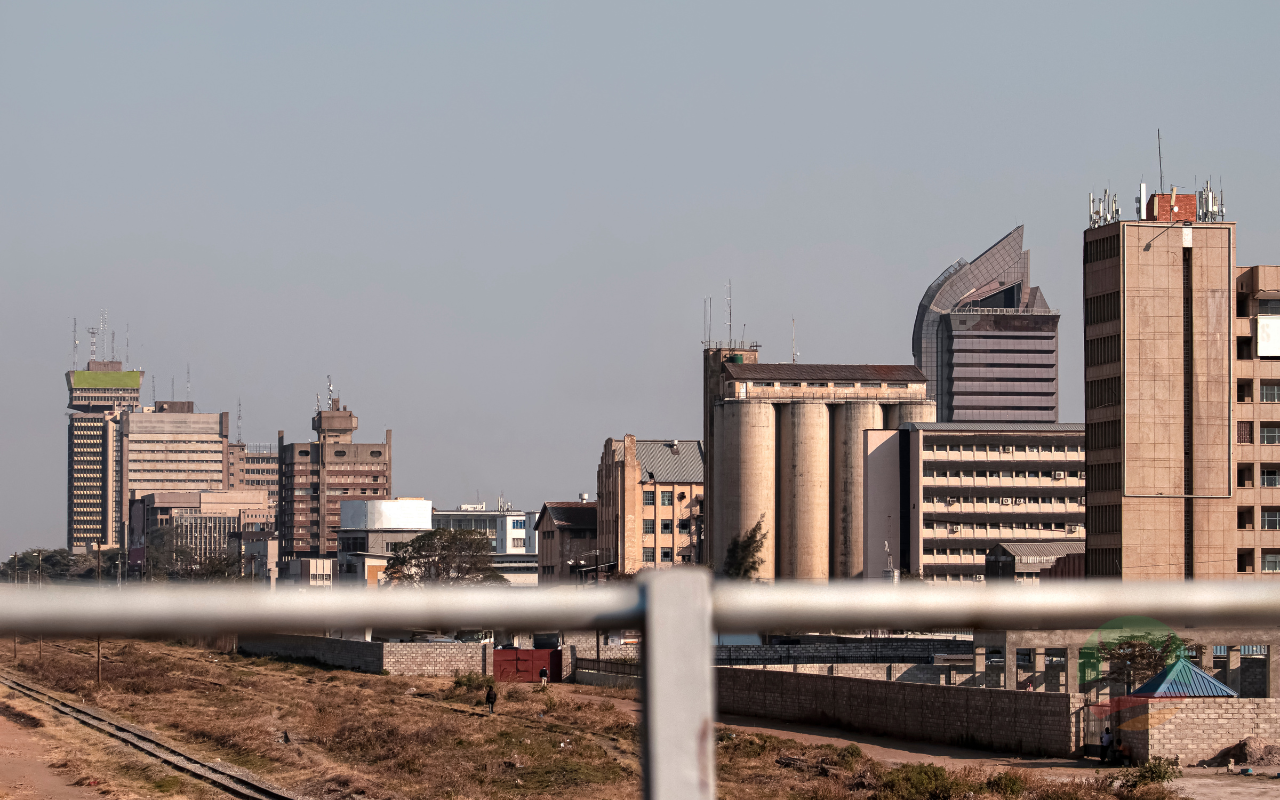
Photo: Evgeniy AlyoshinUnsplashUnsplash License
LUSAKA, 21 JUNE 2026—Updated 8 Jul 2026
LUSAKA — Zambia’s debt-for-energy conversion is a US$600 million African Development Bank loan used to buy back a US$1.36 billion 2053 Eurobond and fund the national grid.
The conversion matters because it ties debt relief to power: instead of carrying a costly dollar bond to 2053, Zambia is using cheaper concessional money to retire it and divert the saving into electricity infrastructure. The structure, covered here as part of Kwacha News’s business and economy coverage, is a template other indebted African economies are watching after a wave of restructurings. In effect Zambia swaps a market Eurobond for an AfDB-backed loan, a move designed to cut the dollar-debt burden while financing the grid.
The Ministry of Finance and National Planning said Zambia launched a tender offer on 29 May 2026 to repurchase its US$1,364,725,564 Fixed Rate Step-Up Amortizing Notes due 2053, funded by a US$600 million African Development Bank loan on concessional terms. The notes were the long-dated instrument created in Zambia’s 2024 Eurobond restructuring, and the offer set out to clear them years ahead of schedule. Readers following the original deal can revisit how Zambia launched the $1.36bn buyback of the 2053 Eurobond.
By the early results announced around 10 June 2026, holders of 97.85% of the notes’ outstanding principal had validly tendered, according to figures reported by CNBC Africa — a take-up high enough to make the buyback decisive rather than partial. A near-complete tender lets the Ministry of Finance and National Planning extinguish the bulk of the 2053 liability in one transaction.
To reach that level of participation, an additional incentive of about US$65 million was offered to bondholders to secure the deal, CNBC Africa reported. The sweetener is the cost of persuading investors to give up a high-coupon, long-dated note early, and it narrows but does not erase the gap between the bond’s face value and the cheaper AfDB financing replacing it.
The energy condition is what distinguishes this transaction from an ordinary liability-management exercise. The Ministry of Finance and National Planning said Zambia committed up to US$275 million over 15 years to a National Grid Resilience Programme, a condition of the AfDB support, coordinated by GreenCo Power Services. The commitment converts a financing manoeuvre into an investment in transmission and distribution capacity.
The grid pledge sits alongside a broader push to expand generation and transmission. Kwacha News reported that Zambia signed US$1.8 billion in new power deals earlier in the cycle, and the AfDB-linked programme channels bondholder savings toward the wires that carry that new power to homes and mines.
The sequencing is deliberate. Replacing the 2053 notes with the US$600 million African Development Bank loan lowers the cost of carrying the debt, and the up-to-US$275 million grid commitment over 15 years is what the African Development Bank required in return for lending on concessional terms. The Ministry of Finance and National Planning has framed the package as one transaction with two outcomes: a lighter dollar-debt load and a funded electricity programme.
By the numbers: Zambia opened the tender on 29 May 2026 to buy back US$1,364,725,564 of notes due 2053, funded by a US$600 million AfDB concessional loan. By the early results around 10 June 2026, holders of 97.85% of the principal had tendered, helped by an extra incentive of about US$65 million. Up to US$275 million over 15 years is earmarked for the National Grid Resilience Programme, coordinated by GreenCo Power Services.
Snapshot: Zambia is replacing an expensive US$1.36 billion 2053 Eurobond with a cheaper US$600 million African Development Bank loan, and recycling the saving — up to US$275 million over 15 years — into a National Grid Resilience Programme coordinated by GreenCo Power Services. With 97.85% of the bond tendered by early June, the conversion is a debt-for-energy swap that lowers the dollar-debt burden while funding electricity infrastructure.
Background
Zambia became the first pandemic-era sovereign default in Africa in 2020 and spent years renegotiating with creditors. The 2053 notes now being repurchased were a product of that long restructuring, designed to stretch repayments far into the future. Buying them back with concessional money reverses part of that arrangement on better terms for the state.
The African Development Bank loan carries concessional terms — longer tenors and lower rates than commercial debt — which is what makes the swap arithmetic work. Pairing the loan with the National Grid Resilience Programme means the AfDB support is judged on development outcomes, not only on the headline reduction in dollar liabilities. Wider debt-cost trends are visible in how Zambia’s external debt service fell US$90.9m in 2025.
GreenCo Power Services, named by the Ministry of Finance and National Planning as the coordinator of the National Grid Resilience Programme, sits at the centre of delivery. Routing the US$275 million through a programme coordinator rather than the budget directly is intended to keep the grid spending ring-fenced from the day-to-day pressures on the treasury — the discipline the African Development Bank attached to its loan.
What to watch
The first marker is the final settlement of the tender. The 97.85% figure was an early result, and the closing numbers will confirm how much of the 2053 bond Zambia ultimately retires and at what total cost once the incentive is included.
The second is disbursement and delivery on the grid. The US$275 million is committed over 15 years, so the test is whether the National Grid Resilience Programme, coordinated by GreenCo Power Services, translates the financing into measurable transmission and distribution upgrades on the timeline set out with the African Development Bank.
Frequently Asked Questions
These are the questions readers are asking about the debt-for-energy conversion. Short answers follow, drawn from the Ministry of Finance and National Planning and from figures reported by CNBC Africa.
What is Zambia’s debt-for-energy conversion?
In short, the conversion is a transaction that uses a US$600 million African Development Bank loan to buy back Zambia’s US$1.36 billion Eurobond due 2053, with up to US$275 million over 15 years recycled into the national grid. The answer, simply put, is that cheaper concessional debt replaces an expensive bond and the saving funds electricity infrastructure.
How much of the 2053 Eurobond did bondholders tender?
According to figures reported by CNBC Africa, by the early results around 10 June 2026 holders of 97.85% of the notes’ outstanding principal had validly tendered. The data shows a near-complete take-up, which makes the buyback decisive rather than partial.
Why did Zambia offer bondholders an extra incentive?
The key is participation. CNBC Africa reported that an additional incentive of about US$65 million was offered to secure the deal — evidence that persuading investors to surrender a high-coupon, long-dated note early carries a cost, which the sweetener covers.
What is the National Grid Resilience Programme?
In other words, it is the energy side of the bargain. The Ministry of Finance and National Planning said Zambia committed up to US$275 million over 15 years to the programme as a condition of the African Development Bank support, coordinated by GreenCo Power Services, to strengthen transmission and distribution.
Why does this matter for Zambia’s economy?
Analysis of the structure reveals two gains in one move: a lower dollar-debt burden after retiring the 2053 bond, and new investment in the electricity grid. According to the Ministry of Finance and National Planning, that pairing is what turns a liability-management exercise into a development programme.
Sources
Primary statement: Ministry of Finance and National Planning on the tender offer, the US$600 million AfDB loan and the US$275 million grid commitment. Tender results and incentive: CNBC Africa, early results of the US$1.36 billion Eurobond tender offer.
More on Business & Economy

Guinea bans raw gold exports as Africa pushes local refining
Guinea has banned raw gold exports and now demands local refining, African Business reported. For Zambia, whose copper still leaves largely unprocessed, the move sharpens a long-running question about where the value is captured.

Zambia cuts fuel prices again as shop prices stay high
Zambia's Energy Regulation Board cut pump prices for a third straight month in August 2026, but transport fares and food prices remain high and non-food inflation is rising.

Zambia's trade surplus narrows to K4.2bn as imports jump
Zambia recorded a K4.2 billion trade surplus in June 2026, down from K7.0 billion in May, as imports rose 10.2% and exports fell 1.6%, ZamStats said.
The Kwacha News briefing.
Business, markets and the Zambian economy — in your inbox.