

ATIDI Marks 25 Years, Convenes 2026 Nairobi AGM
The African trade- and investment-insurance body that counts Zambia among its members gathers heads of state and financiers in Nairobi as Lusaka leans on de-risking tools.
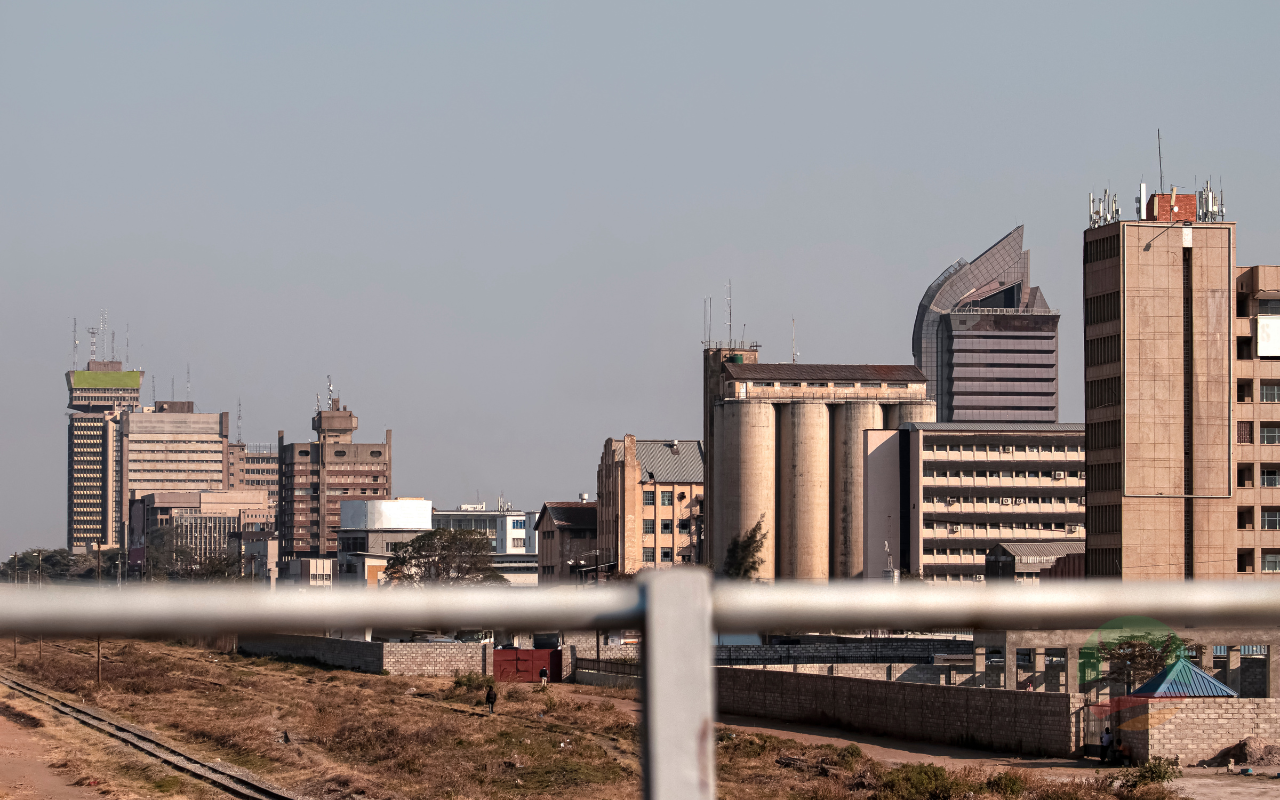
Photo: Bamas100wikidataCC BY-SA 4.0
LUSAKA, 28 JUNE 2026—Updated 9 Jul 2026
LUSAKA — The African Trade & Investment Development Insurance (ATIDI) is 25 years old and convenes its 2026 Annual General Meeting in Nairobi from 30 June to 3 July.
The gathering matters to Zambia because ATIDI is a multilateral institution whose members include Zambia, and its political-risk and credit insurance helps lower the perceived danger of cross-border trade and investment. ATIDI cover speaks directly to a country working to rebuild investor confidence after a sovereign default, court fresh energy financing and trade more widely with Zambia's neighbours.
Snapshot — the meeting. The African Trade & Investment Development Insurance (ATIDI) marks 25 years and holds its 2026 Annual General Meeting in Nairobi, Kenya, from 30 June to 3 July. ATIDI provides political-risk and credit insurance that de-risks cross-border trade and investment, and Zambia is a member state.
ATIDI, formerly the African Trade Insurance Agency, is headquartered in Nairobi, Kenya, and provides insurance products that protect lenders and exporters against losses from political and commercial risk. According to ATIDI, the Nairobi meeting brings together heads of state, government officials, investors and development-finance institutions to review the institution's record and set direction for the next phase, a framing reported in coverage of the event by African Business.
For Lusaka, the relevance is concrete. Political-risk and credit insurance can lower borrowing costs and crowd in private capital for power, mining and infrastructure projects — the same de-risking logic underpinning Zambia's AfDB-backed debt-for-power deal, where blended public and development finance restructures obligations against energy assets. ATIDI-style guarantees sit in the same toolkit that finance ministries and lenders draw on to make African projects bankable. See Zambia's AfDB-backed debt-for-power deal for how that structure works in practice.
The timing aligns with a measurable improvement in Zambia's own fiscal position. As the country reduces its debt burden and rebuilds reserves, instruments such as trade-credit and political-risk insurance become more useful, because investors weigh sovereign risk alongside project risk when committing capital. Zambia's recovery is tracked in Zambia's debt and reserves turnaround, which sets the macroeconomic backdrop against which ATIDI cover is sought.
Trade-insurance cover also has a bearing on the foreign direct investment Zambia is pursuing in its mining sector. Large copper and critical-minerals projects depend on long-dated finance, and lenders frequently require political-risk protection before they commit. That dynamic frames deals such as the major foreign investment into Zambian mining now under way at Mingomba, where international capital is being deployed against multi-year project timelines. See major foreign investment into Zambian mining for one example of the scale involved.
The Nairobi meeting also lands in the era of the African Continental Free Trade Area (AfCFTA), the continent-wide trade agreement that aims to cut tariffs and ease the movement of goods across African borders. Greater intra-African trade raises demand for cover that protects exporters and banks against non-payment and political disruption. The African Union, a champion of AfCFTA, has framed such risk-mitigation tools as central to turning the agreement's tariff cuts into actual cross-border commerce for member states including Zambia.
Background
ATIDI was established as the African Trade Insurance Agency to provide trade-credit and political-risk insurance for African member states, adopting the current name as the mandate widened to cover investment as well as trade. The institution operates as a multilateral body owned by African governments and development partners, and ATIDI cover is designed to reduce the risk premium lenders and insurers attach to projects on the continent.
Zambia's engagement with multilateral de-risking institutions has grown as Lusaka works through debt restructuring and seeks new capital for energy and mining. A 25-year anniversary meeting in Nairobi gives African finance ministries, including Zambia's, a venue to align on how insurance products can support post-default recovery and AfCFTA-era trade. The event is convened by ATIDI and is being held over four days, from 30 June to 3 July 2026.
What to watch
The signal for Zambia is whether the Nairobi meeting yields concrete commitments — new country exposure, fresh capital, or partnerships that channel insurance-backed finance toward Zambian power and minerals projects. The next decision point is the substance of any announcements made during the 30 June to 3 July sessions and how quickly they translate into project-level cover. Readers can follow the implications through Kwacha News business and economy coverage as the AGM proceeds.
Update: the Nairobi meeting has since concluded. Read what the AGM decided — record 2025 results and African leaders backing ATIDI as a pillar of a new African-led financial architecture — in Kwacha News’s report on ATIDI’s Silver Jubilee outcomes.
Twenty-five years of trade and investment insurance have been about reducing the risk that keeps capital out of African markets, and the 2026 meeting in Nairobi is set to chart the institution's direction for the years ahead.
— African Trade & Investment Development Insurance, <a href="https://african.business/2026/06/partner-content/atidi-marks-25-years-of-impact-at-its-2026-annual-general-meeting">2026 Annual General Meeting framing, June 2026</a>
Frequently Asked Questions
The questions below set out what ATIDI is, why its 2026 Nairobi meeting matters and how its cover bears on Zambia, drawing on ATIDI's own framing and reporting of the event.
What is ATIDI?
In short, ATIDI — the African Trade & Investment Development Insurance, formerly the African Trade Insurance Agency — is a multilateral institution headquartered in Nairobi that provides political-risk and credit insurance. According to ATIDI, its products protect lenders, exporters and investors against losses from political and commercial risk, evidence of a mandate built to make African trade and investment more bankable.
How does ATIDI's insurance help Zambia?
Simply put, the answer is risk reduction. Analysis of how development finance works shows that political-risk and credit insurance can lower borrowing costs and crowd in private capital, which is what Zambia needs for power, mining and infrastructure. As a member state, Zambia can draw on ATIDI-style cover so that lenders price Zambian projects with less of a risk premium.
Why is the 2026 Nairobi meeting significant?
The key is that the meeting marks ATIDI's 25th year and gathers heads of state, officials, investors and development financiers in one place. Reporting of the event shows it is set to review ATIDI's record and direction, which gives Zambian policymakers a venue to align insurance-backed finance with the country's recovery and trade agenda.
What is AfCFTA and how does it relate?
In other words, the African Continental Free Trade Area (AfCFTA) is the continent-wide agreement to cut tariffs and ease cross-border movement of goods. Data on intra-African trade reveals that as trade volumes rise, demand grows for cover that protects exporters and banks against non-payment, which is exactly the protection ATIDI provides.
Who attends the ATIDI AGM?
The answer is a mix of leaders and financiers. According to ATIDI, the 2026 Annual General Meeting draws heads of state, government officials, investors and development-finance institutions from across Africa. Evidence from the event framing shows the gathering is structured to connect policymakers with the capital and insurance providers that fund African projects, Zambia's among them.
Sources
Reporting draws on the African Trade & Investment Development Insurance (ATIDI) and on coverage of the 25th-anniversary meeting published by African Business.
More on Business & Economy

Guinea bans raw gold exports as Africa pushes local refining
Guinea has banned raw gold exports and now demands local refining, African Business reported. For Zambia, whose copper still leaves largely unprocessed, the move sharpens a long-running question about where the value is captured.

Zambia cuts fuel prices again as shop prices stay high
Zambia's Energy Regulation Board cut pump prices for a third straight month in August 2026, but transport fares and food prices remain high and non-food inflation is rising.
The Kwacha News briefing.
Business, markets and the Zambian economy — in your inbox.

