

Hichilema frees over 1,500 inmates in Africa Freedom Day clemency
The presidential pardon comes weeks out from the August general election and applies to non-violent offenders nearing the end of their terms.
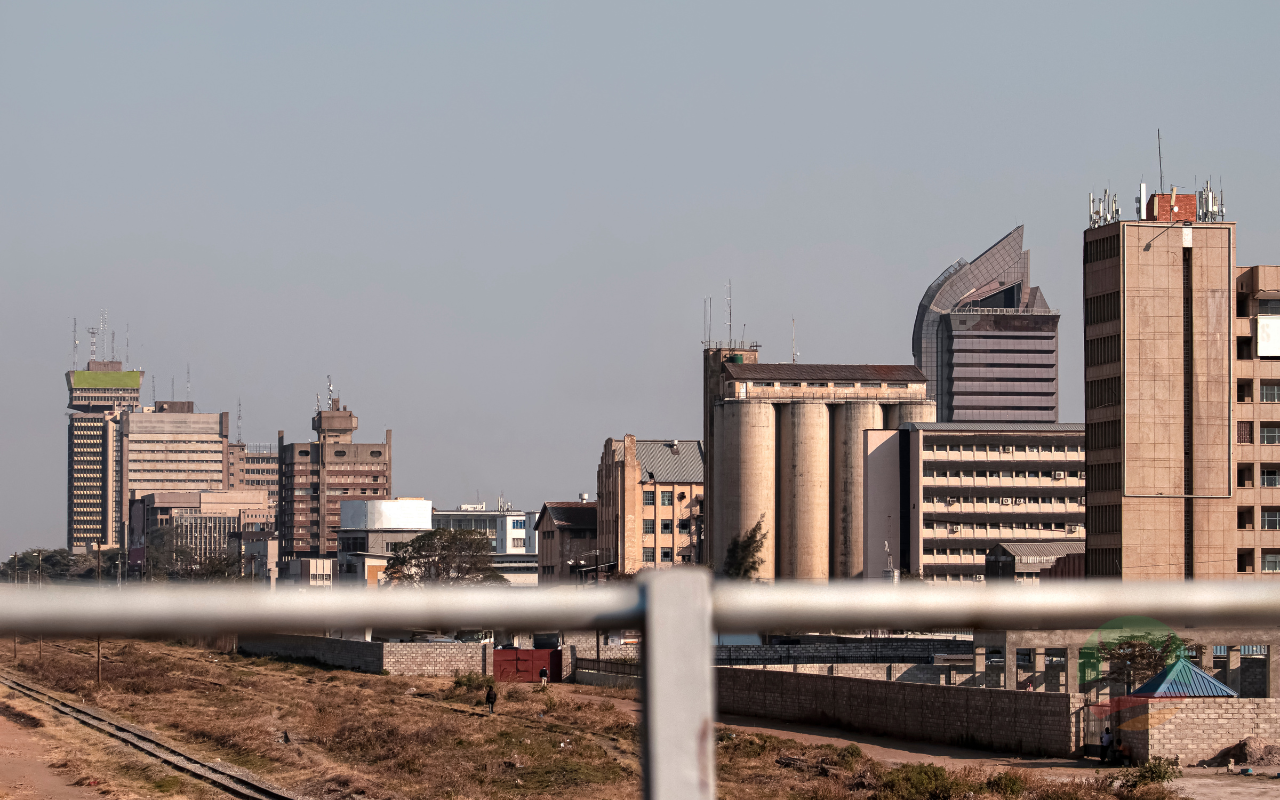
Photo: Cabinet Public Relations Office of the Cabinet SecretariatwikidataCC BY 4.0
LUSAKA, 25 MAY 2026—Updated 8 Jul 2026
LUSAKA — President Hakainde Hichilema is releasing more than 1,500 inmates from Zambian prisons on Africa Freedom Day, the State House said in a statement on Monday.
The clemency, exercised under Article 97 of the Constitution, lands ten weeks out from the 13 August general election and is the largest single Africa Freedom Day pardon since the 2021 transition. The Zambian Correctional Service is handling phased releases across the country from this week.
What the State House said
The President acted on the recommendation of the Committee on the Prerogative of Mercy, which screens prison rolls and recommends candidates by offence, time served and conduct in custody. State House said the bulk of the released cohort were non-violent offenders nearing the end of their sentences, alongside elderly inmates and those with chronic illness.
We mark Africa Freedom Day not only by remembering the founders of the Organisation of African Unity but by giving Zambians a second chance to rejoin their families and contribute to their communities.
— President Hakainde Hichilema, <a href="https://www.sh.gov.zm/">State House statement, 25 May 2026</a>
The Zambia Correctional Service will publish the gazetted list of releases in the coming days, the statement said. Releases are being staggered to allow correctional centres to complete discharge paperwork and link former inmates to reintegration services.
Election-year context
Africa Freedom Day clemency is an established Zambian practice — Kenneth Kaunda used it from the 1970s, Frederick Chiluba and his successors continued it. The scale this year is large but not unprecedented: the 2017 release under President Edgar Lungu covered roughly 1,200 inmates.
The political backdrop is heavier than usual. Nominations for the 13 August general election closed last week, and Kwacha News covered the final filings at the Electoral Commission of Zambia. Hichilema is seeking a second term against a field that includes Harry Kalaba, Fred M'membe, Mulambo Haimbe and Makebi Zulu. The 50%-plus-one rule under Article 101 means a runoff is in play if no candidate clears half the vote.
Opposition parties were quick to frame the clemency as electioneering. Civil-society groups, including the Non-Governmental Gender Organisations Coordinating Council, called for the gazetted list to be published in full so the criteria can be scrutinised.
How the prerogative of mercy works
Article 97 of the Constitution gives the President four powers: to grant a free or conditional pardon, to commute punishment to a less severe form, to remit the whole or part of a punishment, and to suspend a sentence. The Committee on the Prerogative of Mercy reviews case files and makes recommendations; the final decision rests with the President.
The Zambia Correctional Service estimates the country's prison population at around 25,000, against an official capacity nearer 8,500. Overcrowding has been a recurring concern raised by the Human Rights Commission and by international monitors. Periodic clemency is one of the levers available; the harder structural fix — sentencing reform, alternatives to custody, faster pre-trial processing — sits with Parliament.
The 13 August general election will use the rules unpacked in our explainer on <a href="/writing/zambia-50-percent-plus-one-presidential-rule">the 50%-plus-one presidential rule</a> and <a href="/writing/zambia-electoral-code-of-conduct-explained">the electoral code of conduct</a>.
What to watch
Three things over the next fortnight. First, publication of the gazetted release list — without it the criteria cannot be tested. Second, opposition reaction in the National Assembly, where the parliamentary recess ends on 3 June. Third, the next ECZ briefing on campaign-period readiness, including the deployment of polling staff and the printing of ballot papers. This is part of Kwacha News's ongoing politics coverage.
Sources
State House: press statement on the Africa Freedom Day clemency, 25 May 2026. Constitution of Zambia: Article 97, prerogative of mercy. Electoral Commission of Zambia: 2026 general election information page. Zambia Correctional Service: official site.
Frequently Asked Questions
What is the presidential prerogative of mercy?
In short, the prerogative of mercy is the power, set out in Article 97 of the Zambian Constitution, that allows the President to pardon, commute or remit sentences. The answer, simply put, is that it is an executive check on the courts, exercised on the advice of the Committee on the Prerogative of Mercy.
How many inmates were freed on Africa Freedom Day?
According to State House, more than 1,500 inmates were released. Data from the Zambia Correctional Service shows the cohort is weighted toward non-violent offenders and those within months of their release date.
Why is the clemency happening now?
Africa Freedom Day, marked on 25 May, commemorates the founding of the Organisation of African Unity in 1963. Zambian presidents have used the date for clemency announcements since the 1970s; in an election year the gesture also carries political weight.
Who qualifies for a presidential pardon in Zambia?
The Committee on the Prerogative of Mercy reviews cases drawn from the prison population. The answer is that eligibility usually turns on the nature of the offence, time already served, conduct in custody and health status. Violent offenders are typically excluded.
What are the political risks of an election-year pardon?
Analysis of past Zambian clemency decisions shows two durable risks: opposition claims that the release is electioneering, and victim-advocacy groups questioning the criteria. Evidence from the 2021 cycle reveals that detailed disclosure of the eligibility list reduces both.
More on Politics

Hichilema wins Zambia's 2026 election for a second term
Zambia's Electoral Commission has declared Hakainde Hichilema president-elect for a second term with about 61 per cent of the vote, over Brian Mundubile's 38 per cent, as the opposition rejects the count.

Press freedom groups urge Zambia to keep the internet on
The Committee to Protect Journalists and the #KeepItOn Coalition urged Zambian authorities and telecoms operators to keep internet access open through the 13 August election, as Amnesty International called for a detained journalist's release.
The Kwacha News briefing.
Business, markets and the Zambian economy — in your inbox.

