

AfDB's first Brazzaville meetings test Ould Tah's agenda
The African Development Bank holds its 2026 Annual Meetings in Brazzaville from 25 May — the first under President Sidi Ould Tah, with a plan to scale up co-financing that matters for Zambian infrastructure.
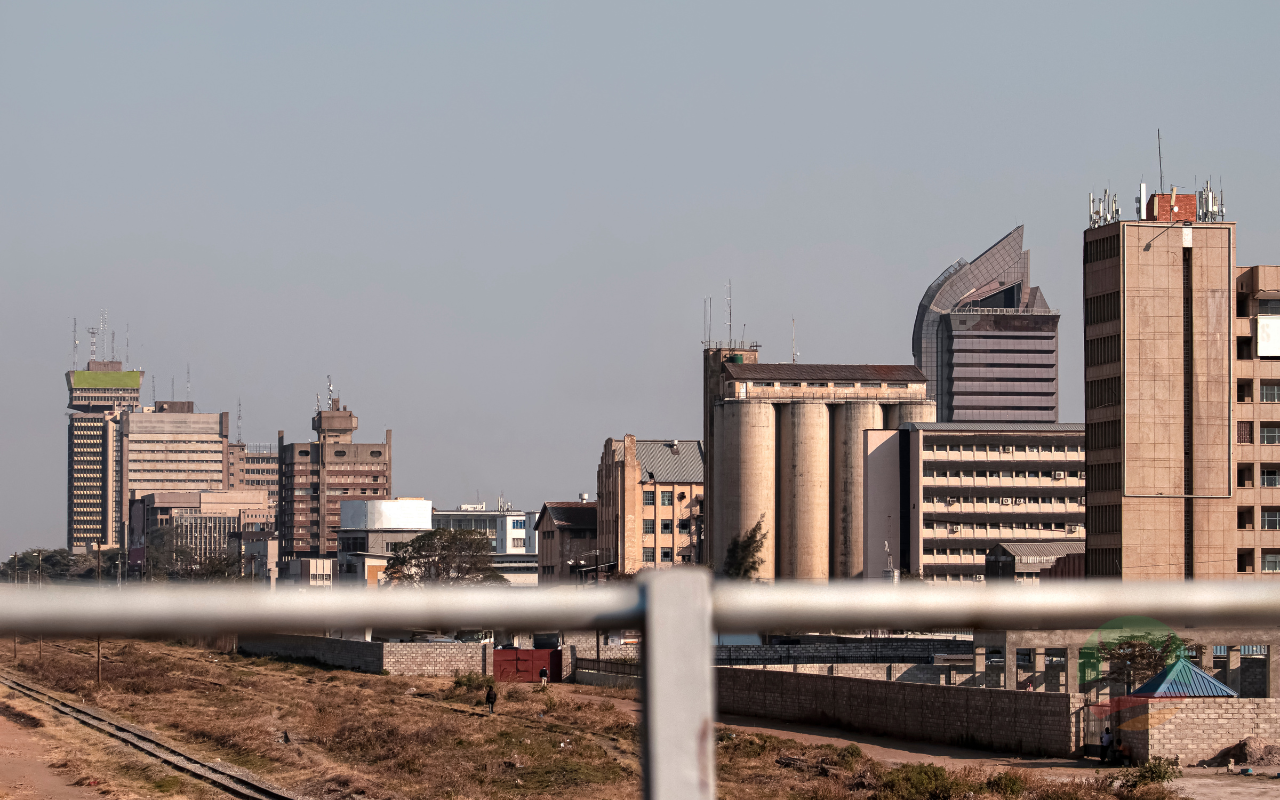
Photo: Unknown authorUnknown authorwikipediaPublic domain
LUSAKA, 22 MAY 2026—Updated 8 Jul 2026
LUSAKA — The African Development Bank opens its 61st Annual Meetings in Brazzaville on 25 May, a gathering that is the first under President Sidi Ould Tah and a test of his co-financing agenda.
The meetings run from 25 to 29 May 2026 at the Kintele International Conference Center near Brazzaville, in the Republic of the Congo, alongside the 52nd meeting of the African Development Fund. They draw more than 3,000 governors, development partners and private-sector and civil-society figures. For Zambia, a country that leans on the Bank to help fund energy, transport and agriculture, the agenda set in Brazzaville reaches all the way home.
Ould Tah's agenda
Sidi Ould Tah took over as AfDB president in 2025 and arrives at his first Annual Meetings with a clear theme: co-financing. The Bank says it wants to scale up co-financing to crowd more money into African investment, stretching its own balance sheet by pulling in partners. The data shows the approach is about leverage — turning each Bank dollar into several from others.
The choice of theme reflects the moment. Aid budgets in rich countries are tightening, and African governments are debt-constrained after years of expensive borrowing. Research into development finance shows that, when grants and cheap loans are scarce, mobilising private and partner capital is the route to keeping investment flowing. Ould Tah's pitch is built for that squeeze.
The Bank is boosting co-financing to scale up investments across Africa, pulling in partners so that public capital mobilises more private and concessional money behind the same projects.
— Theme consistent with the African Development Bank's 2026 Annual Meetings agenda
Why it matters for Zambia
The African Development Bank is one of Zambia's important development partners, financing power, roads and farming. A co-financing push could mean more money behind the projects Zambia is counting on — from electricity capacity to the Lobito Corridor rail link that would shorten the route for Zambian and Congolese copper to the Atlantic.
The concessional window matters most. The African Development Fund lends to lower-income countries on soft terms, and Zambia is exactly the kind of borrower it serves. Analysis of the Fund shows its firepower depends on replenishment by donors, so how Ould Tah frames resource mobilisation in Brazzaville bears directly on the terms Zambia can access.
There is a strategic read too. Zambia sits at the centre of the critical-minerals story, and the Bank has backed the transport corridors that move that copper. Evidence from the Bank's portfolio shows infrastructure and energy dominate its Zambian lending, the sectors a co-financing model is built to scale.
Zambia also has a stake in the broader debt conversation the Bank convenes. The country is still working through its sovereign-debt restructuring, and multilateral lenders such as the African Development Bank sit alongside the International Monetary Fund in shaping the terms. Research into Zambia's financing mix shows concessional multilateral money is cheaper and longer-dated than the commercial borrowing that drove the 2020 default. The data shows that when the Bank expands its lending capacity, low-income members gain access to finance on softer terms. That is the thread connecting a summit in Brazzaville to a budget line in Lusaka.
AfDB 2026 Annual Meetings — the essentials
Event: 61st AfDB Annual Meetings and 52nd African Development Fund meeting · Dates: 25–29 May 2026 · Venue: Kintele International Conference Center, near Brazzaville, Republic of the Congo · Host country: Congo-Brazzaville · First under: President Sidi Ould Tah (elected May 2025) · Theme: scaling up co-financing across Africa · Participants: more than 3,000
Background
The African Development Bank is the continent's main multilateral lender, owned by African and non-African member states. Its Annual Meetings set the tone for the year's strategy and are where governors, ministers and partners negotiate priorities. Hosting the 2026 edition is a milestone for Congo-Brazzaville, which spent months preparing the Kintele venue.
Ould Tah's debut carries weight because it signals direction. Succeeding a high-profile predecessor, he must show the Bank can keep investment flowing as traditional aid retreats. The analysis is that co-financing is his answer, and Brazzaville is where the agenda gets its first public outing in front of the people who fund it.
Frequently Asked Questions
These are the questions Zambian readers have been asking about the AfDB Annual Meetings. Short answers follow, drawn from the Bank's published agenda and its role in the region.
What is the AfDB Annual Meetings?
In short, the African Development Bank's yearly governors' summit. The answer is that the 61st edition runs 25–29 May 2026 at Kintele near Brazzaville. The key is that it sets the Bank's strategy and priorities for the year ahead.
How does co-financing scale up investment?
Simply put, it uses Bank money to attract more. According to the Bank, co-financing pulls in private and partner capital behind the same project. The key is leverage — each Bank dollar mobilises several from others, which matters when aid is shrinking.
Why is the meeting important for Zambia?
The answer is access to finance. Evidence shows the Bank funds Zambian energy, transport and agriculture, and the African Development Fund lends on soft terms. The key is that the resource-mobilisation agenda shapes how much concessional money reaches Zambia.
Who is Sidi Ould Tah?
In other words, the Bank's new president. Research shows he was elected in May 2025 and hosts his first Annual Meetings in 2026. The data shows his early agenda centres on co-financing and mobilising capital for Africa.
What are the expected outcomes?
Analysis of past meetings shows the outcomes are commitments, partnerships and strategy signals rather than single deals. Evidence suggests co-financing pledges and African Development Fund discussions will dominate. Each outcome is about the pipeline of money, not one project.
What to watch
Two signals. The first is whether Ould Tah converts the co-financing theme into concrete commitments and partner pledges by the close on 29 May. The second is any signal on the African Development Fund's firepower, the concessional window that determines the terms on which Zambia can borrow.
Sources
African Development Bank: about the 2026 Annual Meetings and the co-financing agenda.
Financial Afrik: countdown coverage from Brazzaville. Kwacha News earlier coverage: Afreximbank's AGM and Zambia's stakes and the IMF programme backdrop.
More on Africa/World

TAZARA at 50: Zambia weighs two routes to the sea
As TAZARA turns 50, landlocked Zambia is weighing two rival routes for its copper: east to the Indian Ocean via a rebuilt TAZARA, or west to the Atlantic via the Lobito Corridor.

African leaders back trade insurer ATIDI after record year
African leaders endorsed ATIDI — the pan-African insurer Zambia belongs to — as a cornerstone of a new African-led financial architecture, as the body marked 25 years with record 2025 results and a call to recapitalise it to US$2 billion.

Railway revival sweeps Southern Africa as Zambia eyes TAZARA
South Africa's freight-rail reforms, the Lobito Corridor and a revived TAZARA line are redrawing Southern Africa's transport map, as President Hichilema pledges a further $1.6 billion recapitalisation of the Tanzania-Zambia railway.
The Kwacha News briefing.
Business, markets and the Zambian economy — in your inbox.