

Washington Accords falter as M23 fighting drags on
Five months after the US brokered a DRC–Rwanda peace deal, implementation is stalling and the fighting in eastern Congo continues. The contest over the region's minerals is why it reaches all the way to Zambia's copper strategy.
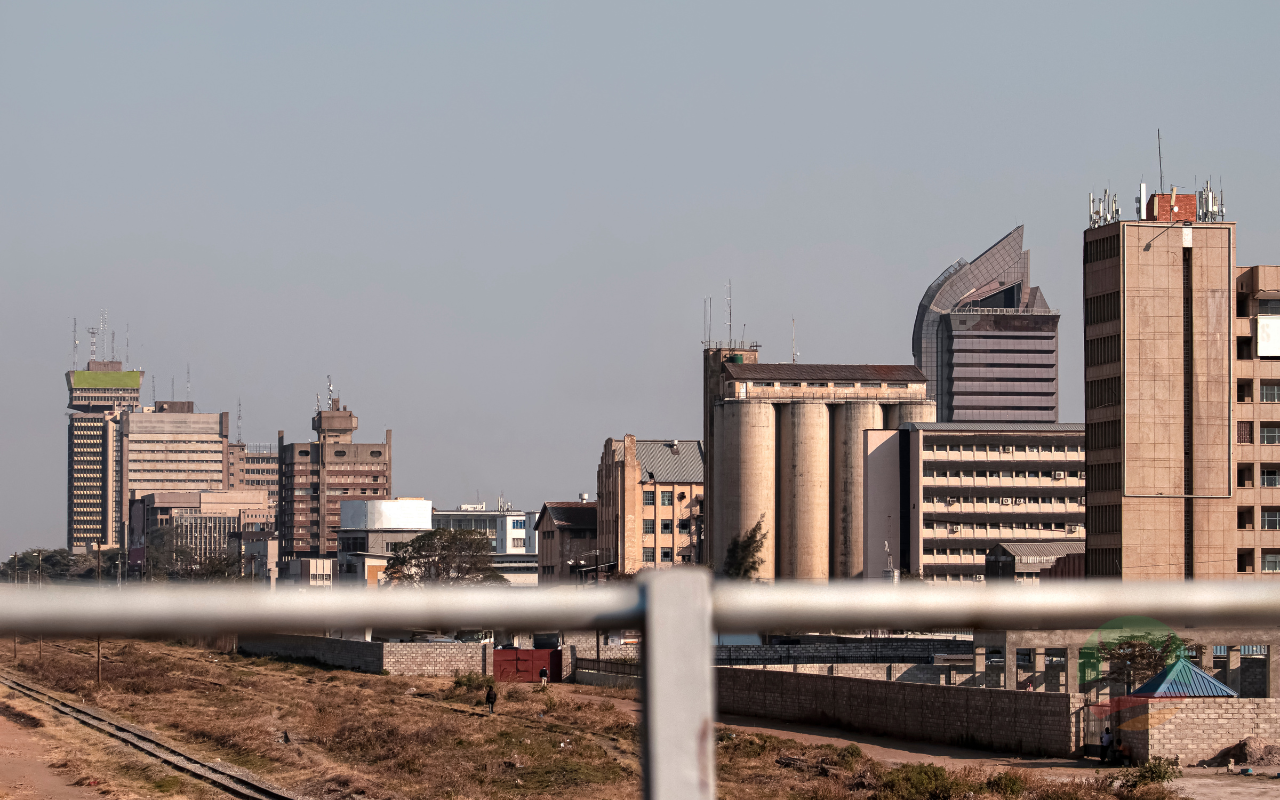
Photo: Martijn.Munneke from NetherlandswikidataCC BY 2.0
LUSAKA, 22 MAY 2026—Updated 21 Jun 2026
Analysis
The US-brokered peace deal between the Democratic Republic of Congo and Rwanda is faltering five months after it was signed — and the fight over eastern Congo's minerals is why it reaches Zambia.
The Washington Accords were signed in December 2025 by Presidents Felix Tshisekedi of the DRC and Paul Kagame of Rwanda, in a ceremony presided over by US President Donald Trump. The upshot, by mid-2026, is a deal under strain: the United States has already sanctioned Rwandan commanders, the M23 rebel group sits outside the agreement, and the fighting drags on. For Zambia, the stakes are less about the front line than about the minerals beneath it.
What the Washington Accords promised
The agreement set out to wind down a conflict that has run for years in eastern Congo. According to the US State Department, the framework commits Rwanda to withdraw its forces and the parties to neutralise the FDLR militia, with Washington pressing for those steps before the end of 2026. The deal was wrapped in the language of critical minerals, with the United States signalling investment in exchange for stability.
The minerals framing is not incidental. Eastern Congo holds some of the world's richest deposits of cobalt, copper, coltan and tantalum — the metals that feed batteries, electronics and the energy transition. The data shows the region's instability has long been entangled with control of those resources, which is what made a US-brokered, minerals-linked deal plausible in the first place.
The United States expects the immediate withdrawal of Rwanda Defence Force troops, weapons and equipment from the Democratic Republic of the Congo.
— US Treasury statement accompanying sanctions on Rwandan commanders, March 2026, consistent with State Department reporting
Why it is faltering
The first problem is who signed. M23, the Rwandan-backed group at the centre of the fighting, was not a party to the Washington Accords; it has been in a separate negotiation with Kinshasa in Doha, where the two sides reached a framework in November. Research into the talks shows running two tracks at once has left a gap between the diplomacy and the front line.
The second problem is compliance. In March 2026 the US Treasury sanctioned the Rwandan military and four commanders for violating the agreement, and envoys met in Washington that month under American pressure to deliver. Evidence on the ground shows the fighting intensified rather than stopped, which is the gap between a signed text and a real ceasefire.
The read here is that the Accords created leverage, not peace. Washington now has sanctions and a deadline to enforce, but the parties with guns in the field are not fully bound by the paper signed in December. The analysis is that enforcement, not signing, is the hard part still ahead.
The Washington Accords — the essentials
Signed: December 2025, by DRC's Tshisekedi and Rwanda's Kagame, with US President Trump · Commitments: Rwandan troop withdrawal and FDLR neutralisation, sought before end-2026 · M23: not a party; in separate Doha talks, framework reached in November · US action: Treasury sanctioned Rwandan commanders, March 2026 · Status: fighting continues in eastern Congo · The hook: control of cobalt, copper and coltan
The minerals thread — and Zambia
Zambia is not a party to this conflict, but it shares the geology and the geopolitics. Zambia and the DRC together form the Central African Copperbelt, the copper-and-cobalt belt that the United States and its partners want to secure as an alternative to Chinese-dominated supply. What happens to Congolese minerals shapes the terms for Zambian ones.
The Lobito Corridor sharpens the link. The US-backed railway is designed to carry copper and cobalt from the DRC and Zambia west to the Angolan coast, and its value depends on a stable region. Analysis of the corridor shows political risk in eastern Congo raises the cost of the whole western-export strategy that Zambia has bought into.
There is an opportunity in the disruption, too. The data shows that when Congolese supply is uncertain, buyers look harder at Zambian copper, which is mined far from the eastern front. Kwacha News has reported how Zambia's copper position figures in US minerals diplomacy; the Washington Accords are the security half of the same story.
Frequently Asked Questions
These are the questions readers have been asking about the Washington Accords and Zambia. Short answers follow, drawn from US government statements and the diplomatic record.
What is in the Washington Accords?
In short, a DRC–Rwanda peace framework. The answer is that it commits Rwanda to withdraw forces and the parties to neutralise the FDLR, sought before end-2026. The key is that it was brokered by the United States and tied to critical-minerals investment.
How does the M23 conflict fit in?
Simply put, M23 is outside the deal. According to the record, the rebel group negotiates separately with Kinshasa in Doha, where a framework was reached in November. The key is that the fighters in the field are not fully bound by the Washington text.
Why is the peace deal faltering?
The answer is weak enforcement. Evidence shows the US sanctioned Rwandan commanders in March 2026 and the fighting intensified rather than stopped. The key is that signing created leverage but not yet a real ceasefire.
Who is enforcing the agreement?
In other words, the United States. Research shows Washington brokered the deal and has used Treasury sanctions and envoy talks to push compliance. The data shows enforcement now rests heavily on American pressure and a 2026 deadline.
What are the stakes for Zambia?
Analysis shows the stakes are about minerals and corridors, not the front line. Evidence demonstrates regional instability raises the cost of the Lobito Corridor and the Copperbelt strategy Zambia shares with the DRC. Each effect is economic and strategic rather than a direct security threat to Zambia.
What to watch
Three signals. The first is the end-2026 deadline for Rwandan withdrawal and FDLR action. The second is the Doha M23 track, where the fighters who matter most are negotiating. The third is the Lobito Corridor, the project whose economics depend on whether eastern Congo settles or stays at war.
Sources
US Department of State: the DRC–Rwanda peace agreement and the March 2026 joint statement.
Atlantic Council: can critical minerals help end the conflict? Kwacha News earlier coverage: Zambia's copper position in US minerals talks and resource geopolitics in southern Africa.
More on Africa/World

TAZARA at 50: Zambia weighs two routes to the sea
As TAZARA turns 50, landlocked Zambia is weighing two rival routes for its copper: east to the Indian Ocean via a rebuilt TAZARA, or west to the Atlantic via the Lobito Corridor.

African leaders back trade insurer ATIDI after record year
African leaders endorsed ATIDI — the pan-African insurer Zambia belongs to — as a cornerstone of a new African-led financial architecture, as the body marked 25 years with record 2025 results and a call to recapitalise it to US$2 billion.
The Kwacha News briefing.
Business, markets and the Zambian economy — in your inbox.
