

Zambians vote as Hichilema seeks a second term
Polls opened at 06:00 and close at 18:00 in a general election fought on the cost of living, the record of the past five years, and a burial row that turned an expected walkover into a contest.
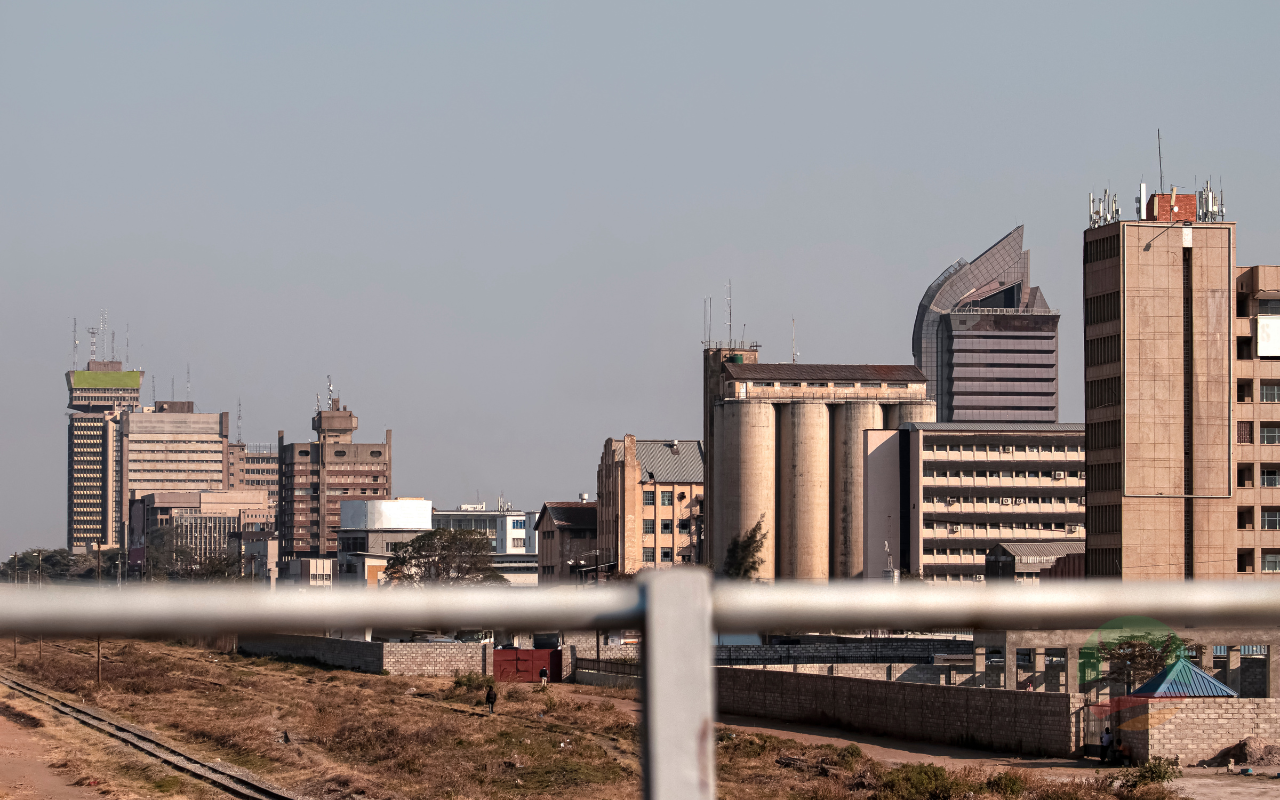
Photo: Electoral Commission of ZambiaeczElectoral Commission of Zambia — editorial use
LUSAKA, 13 AUGUST 2026—Updated 16 Aug 2026
LUSAKA — Zambians went to the polls on Thursday in a general election that is, in effect, a verdict on President Hakainde Hichilema's economic record.
Voting runs from 06:00 to 18:00 hours at polling stations across the country's ten provinces, the Electoral Commission of Zambia (ECZ) confirmed in its notices of validly nominated candidates. Zambians are casting three ballots on the same day — for president, for the National Assembly, and for local-government councillors. Counting begins once the polls close.
What is being decided
The presidential race is the headline contest, but it sits on top of two others. Every parliamentary seat and every council seat is up on the same day, which means the result determines not only who governs from State House but whether that president commands a working majority in the National Assembly.
The electorate voting on Thursday is a fixed and published one. The ECZ certified the register of voters earlier in the cycle, giving every party, candidate and observer a common reference against which to check turnout and audit the count — a point Kwacha News examined when the Commission certified the roll.
The polls shall take place on Thursday, 13th August 2026 between 06:00 hrs and 18:00 hrs.
— Electoral Commission of Zambia, <a href="https://www.elections.org.zm/?p=5598">notice of validly nominated candidates for the 2026 parliamentary elections</a>
Polling day at a glance: polls open 06:00, close 18:00 · three ballots — presidential, parliamentary, local government · counting starts at the close · results declared by the Electoral Commission of Zambia.
The field
The contest has resolved into a fight between two alliances. The governing United Party for National Development (UPND) alliance is backed by 15 smaller parties, according to an analysis published by The Conversation Africa. Facing it is the Tonse-Pamodzi Alliance, headed by presidential newcomer Brian Mundubile with Makebi Zulu as his running mate.
That shape was some time in the making. Kwacha News set out the field and how it formed as nominations closed, and the Constitutional Court settled the question of Hichilema's eligibility to stand before the campaign proper began.
The economic argument
Hichilema is asking voters to read the past five years as a recovery. Zambians vote on whether they agree.
Reuters reported that the election was widely expected to give Hichilema a second term, though frustration over the cost of living may dent his support. The BBC put it more bluntly, reporting that continued cost-of-living pressures have dented the president's appeal. RFI framed Thursday as economic hardship testing the record of a president seeking a second term to govern a copper-rich nation.
The macroeconomic numbers and the household experience have not moved together. Inflation held at 6.5% in July, and fuel prices fell — figures Kwacha News reported at the time in its coverage of July inflation. Those are the statistics the governing party has campaigned on. The counter-argument, made across the opposition campaign, is that a stabilised headline rate has not yet reached the shopping basket.
In his closing appeal, delivered at rallies in Lusaka and in a broadcast interview, Hichilema framed the vote as a choice between protecting economic stability and risking a return to instability, State House said. The president's formulation was that the country had turned the corner and must protect its gains.
The row that changed the race
A second-term win had looked straightforward for much of the cycle. It stopped looking that way after the death of former president Edgar Lungu in 2025 and the dispute over his burial that followed. The BBC reported that the controversy turned the election into a hot contest and dented Hichilema's chances, having previously made him a clear favourite.
The row mattered because it gave the opposition an emotional argument to organise around in a campaign that the governing party wanted fought on economic statistics.
Watching the vote
Thursday's poll drew unusual international attention to the conduct of the vote itself rather than only its outcome.
The Committee to Protect Journalists joined #KeepItOn Coalition partners in urging Zambian authorities and telecommunications providers to keep internet access free and open before, during and after the election. Amnesty International said candidates must commit to reversing what the organisation described as a growing pattern of authoritarian practices threatening rights before, during and after the polls.
Four United States senators — Jeanne Shaheen, Cory Booker, Jeff Merkley and Chris Van Hollen — issued a statement calling for peaceful and fair elections ahead of the vote.
What to watch
The first marker is the close at 18:00 and the start of counting at polling stations. Results flow upward from there through constituency and district totalling centres to the ECZ, which declares the presidential result.
The second is the dispute process. Any challenge to a declared presidential result runs on a constitutional clock through the courts, a mechanism Kwacha News examined in its reporting on how election disputes will be handled. This story is part of Kwacha News's politics coverage.
Frequently Asked Questions
These are the questions readers have been asking as Zambia votes. Short answers follow, drawn from the Electoral Commission of Zambia and international wire reporting.
What time do polls close in Zambia?
In short, polling stations close at 18:00 hours. The answer is set out in the ECZ's own notices of validly nominated candidates, which state that the polls take place on Thursday, 13 August 2026 between 06:00 hrs and 18:00 hrs. The key is that counting begins at the close, not before.
What is Zambia voting for on 13 August?
Simply put, three elections are running at once: presidential, parliamentary and local-government. In other words, a voter receives three ballots, and the outcome decides both who holds the presidency and whether that president has a majority in the National Assembly.
Who is standing against Hakainde Hichilema?
The answer is that the main challenge comes from the Tonse-Pamodzi Alliance, headed by Brian Mundubile with Makebi Zulu as running mate. Analysis published by The Conversation Africa shows the governing UPND alliance is backed by 15 smaller parties, making this a contest between two blocs rather than a crowded field.
Why is the cost of living the central issue?
Data shows the gap between the headline numbers and household budgets. Research and reporting from Reuters, the BBC and RFI all identify cost-of-living frustration as the pressure on the president's support, even as inflation held at 6.5% in July. The key is that a stabilised statistic is not the same as a cheaper basket.
When will the result be known?
In other words, not immediately. Counting starts when the polls close at 18:00 and results are totalled upward before the Electoral Commission of Zambia declares the presidential result. Evidence from previous Zambian cycles shows the declaration follows verification rather than early returns, and unofficial tallies circulating before that point are not results.
Sources
Electoral Commission of Zambia: notice of validly nominated candidates for the 2026 parliamentary elections and notice for the 2026 councillor elections. State House Zambia: final campaign push and the case for a second term. Reuters: Zambia votes in elections expected to favour incumbent Hichilema. BBC News: Zambians voting as president bids for second term and the burial row over Zambia's late president. RFI via AllAfrica: Zambia votes with the president's economic record on the line. The Conversation Africa via AllAfrica: who's who and what issues are shaping the elections. Committee to Protect Journalists: call to keep the internet on during elections. Amnesty International: stalled reforms risk reversing human rights gains. United States Senate: statement calling for peaceful elections in Zambia.
More on Politics

Hichilema wins Zambia's 2026 election for a second term
Zambia's Electoral Commission has declared Hakainde Hichilema president-elect for a second term with about 61 per cent of the vote, over Brian Mundubile's 38 per cent, as the opposition rejects the count.

Press freedom groups urge Zambia to keep the internet on
The Committee to Protect Journalists and the #KeepItOn Coalition urged Zambian authorities and telecoms operators to keep internet access open through the 13 August election, as Amnesty International called for a detained journalist's release.

The burial row that made the Zambian election a contest
Edgar Lungu died in June 2025 and was not buried for more than a year while his family and the Zambian state fought through the South African courts. The dispute shadowed the campaign and, the BBC reported, turned an expected walkover into a contest.
The Kwacha News briefing.
Business, markets and the Zambian economy — in your inbox.