

Mundubile leads a 14-strong field challenging Hichilema
Twenty-two days from the vote, a fragmented opposition of 14 presidential candidates lines up against an incumbent running hard on continuity.
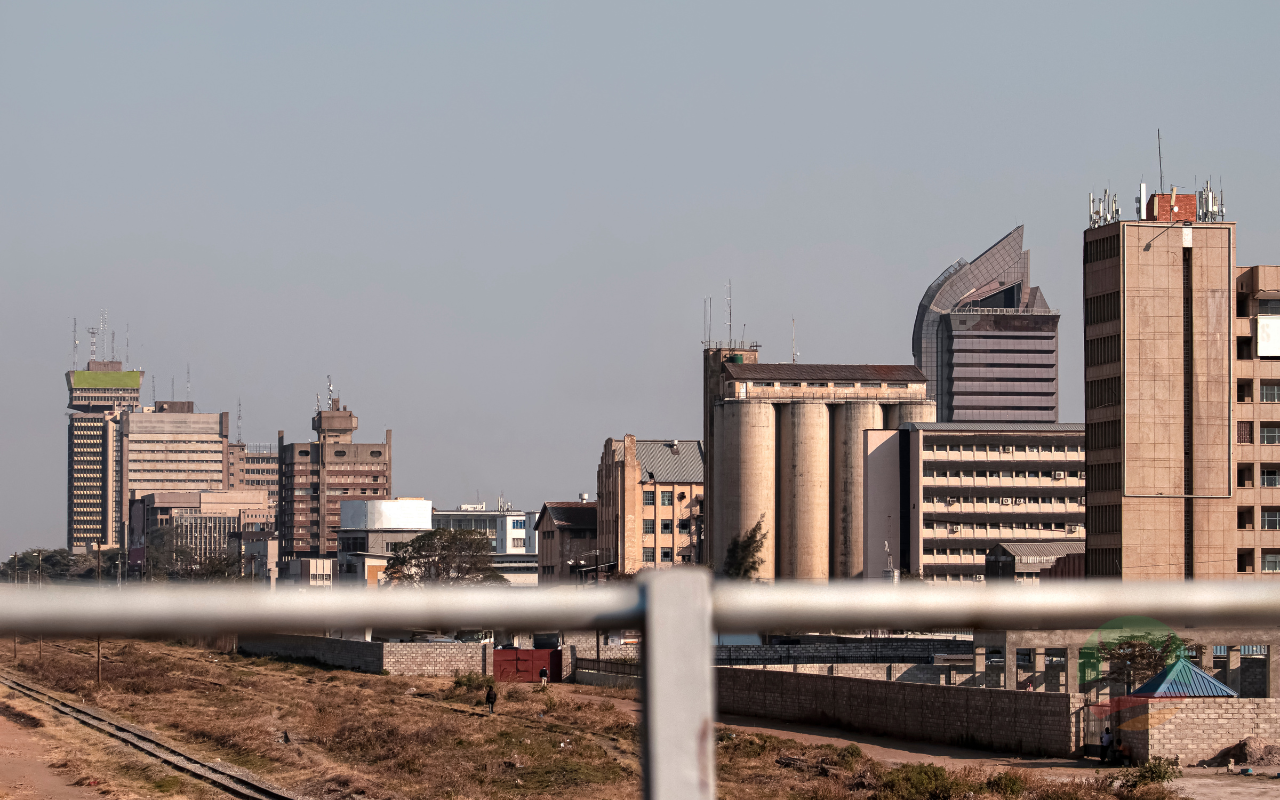
Photo: ZANISzanisGovernment of Zambia — editorial use
LUSAKA, 22 JULY 2026—Updated 22 Jul 2026
LUSAKA — Fourteen candidates are on Zambia’s 13 August presidential ballot, a crowded field in which the Tonse Alliance’s Brian Mundubile is the leading challenger to President Hakainde Hichilema.
The stakes are set by the shape of that field. A single strong incumbent facing a divided opposition is the classic arithmetic of a first-round win, and Zambia requires more than 50% of the vote to avoid a run-off. Whether the parties challenging him consolidate or split the anti-incumbent vote is the question that decides 13 August.
The field
President Hichilema is seeking a second term for the United Party for National Development (UPND), with Vice-President Mutale Nalumango again his running mate. The Electoral Commission of Zambia (ECZ) confirmed 14 presidential candidates after nominations filed in May, clearing the field by early July.
Mundubile leads the opposition challenge, standing under the Tonse Alliance banner with Makebi Zulu as his running mate. He is joined by Fred M’membe of the Socialist Party, Harry Kalaba of Citizens First, and Kelvin Fube Bwalya, known as KBF, of Zambia Must Prosper. Given Katuta, standing as an independent, is the only woman among the 14 — in a country where women make up more than half the register.
Fourteen candidates will contest the 13 August 2026 presidential election.
— Electoral Commission of Zambia, as reported by <a href="https://allafrica.com/stories/202606220779.html">Southern African News Features via AllAfrica, 22 June 2026</a>
The race at a glance
Zambia’s 13 August 2026 vote: 14 presidential candidates on the ballot; more than 8.8 million registered voters; 226 constituencies; 13,529 polling stations. Women are 53.1% of the register. A candidate needs more than 50% to win in the first round.
The incumbent’s case
Hichilema is running squarely on continuity. At his campaign launch he urged Zambians to safeguard the economic progress of his first term and return the UPND under a “One Zambia, One Nation” banner. State House points to a record it wants voters to bank: free education that it says has returned more than 2.5 million children to school, more than 45,000 teachers recruited, and foreign reserves now at US$6.5 billion. Kwacha News has followed the president on the campaign trail, from his Muchinga swing onward.
The opposition’s counter is that the cost of living has not eased fast enough for households, and that the gains are uneven. That argument, spread across a dozen campaigns rather than concentrated behind one, is the fragmentation the incumbent is counting on.
A disinformation problem
The campaign has also had to contend with fabricated content. A video circulated online claiming that Moïse Katumbi, the Democratic Republic of Congo opposition leader, had endorsed a Zambian candidate. Katumbi publicly rejected it on 21 July, saying the clip had nothing to do with Zambian politics. It is a reminder that a foreign figure’s supposed endorsement — the kind of claim that spreads fastest in a campaign — can be manufactured, and that Zambia’s vote is being contested online as well as on the rally ground. Kwacha News does not repeat unverified endorsements.
Background
Hichilema won the presidency in 2021 at his sixth attempt, defeating then-incumbent Edgar Lungu in a result widely read as a demand for economic repair. His first term was dominated by a sovereign-debt restructuring that has since largely closed, reshaping the fiscal ground on which this election is fought — a backdrop Kwacha News set out in its coverage of the economic stakes of the vote. Research into Zambia’s recent votes shows a pattern of high turnout and a youthful electorate, which is why every campaign is chasing first-time voters.
Turnout will decide how the arithmetic plays out. Zambia’s register has grown to more than 8.8 million voters across 226 constituencies, and a majority are women. Data from past cycles shows a youthful electorate and first-time voters have swung recent Zambian elections, which is why campaigns are pouring resources into registration-heavy provinces rather than assuming their base will turn out. According to the ECZ, more than 13,500 polling stations will open on 13 August.
What to watch
The decisive number is 50%-plus-one: if no candidate clears it, Zambia goes to a run-off for the first time in its recent history. The signals to watch between now and 13 August are whether any opposition candidates stand down to consolidate the field, the final certified ballot, and turnout. This story is part of Kwacha News’s politics coverage of the 2026 general election.
Frequently Asked Questions
These are the questions readers have been asking about the presidential field. Short answers follow, drawn from ECZ confirmations and campaign reporting.
Who is challenging Hichilema in 2026?
In short, 14 candidates are on the ballot, led by the Tonse Alliance’s Brian Mundubile. The answer, simply put, is that President Hakainde Hichilema of the UPND faces a fragmented opposition that also includes Fred M’membe and Harry Kalaba. The key is that no single challenger has united the field.
How does the presidential field break down?
Research from the Electoral Commission of Zambia shows 14 presidential candidates were confirmed for 13 August. Data from the register reveals more than 8.8 million voters across 226 constituencies. According to the Commission, the field was cleared by early July.
Why is a fragmented opposition a problem for challengers?
The answer is that Zambia requires more than 50% of the vote to win outright, so a split opposition helps an incumbent. Evidence from the arithmetic shows a divided anti-incumbent vote rarely clears that bar. In other words, fragmentation favours the front-runner.
Who is Brian Mundubile?
Simply put, Brian Mundubile is the Tonse Alliance’s presidential candidate, with Makebi Zulu as running mate. According to the ECZ-confirmed field, he is the most prominent of Hichilema’s challengers. The data shows the Tonse Alliance is an opposition coalition rather than a single party.
What is a presidential run-off in Zambia?
Analysis of Zambia’s electoral rules shows that if no candidate secures more than 50%, the top two go to a run-off. Evidence from the current field reveals that outcome is more likely when the vote is spread across many candidates. Research into past cycles shows Zambia has not yet had to hold a presidential run-off, which is what makes 2026 worth watching.
Sources
AllAfrica (Southern African News Features): Zambia’s 14-candidate presidential field, 22 June 2026. AllAfrica (Daniel T. Makokera): continuity and the opposition, 5 July 2026. Electoral Commission of Zambia: official candidate confirmations.
More on Politics

Hichilema wins Zambia's 2026 election for a second term
Zambia's Electoral Commission has declared Hakainde Hichilema president-elect for a second term with about 61 per cent of the vote, over Brian Mundubile's 38 per cent, as the opposition rejects the count.

Press freedom groups urge Zambia to keep the internet on
The Committee to Protect Journalists and the #KeepItOn Coalition urged Zambian authorities and telecoms operators to keep internet access open through the 13 August election, as Amnesty International called for a detained journalist's release.

The burial row that made the Zambian election a contest
Edgar Lungu died in June 2025 and was not buried for more than a year while his family and the Zambian state fought through the South African courts. The dispute shadowed the campaign and, the BBC reported, turned an expected walkover into a contest.
The Kwacha News briefing.
Business, markets and the Zambian economy — in your inbox.