

The burial row that made the Zambian election a contest
Edgar Lungu died in June 2025 and was not buried for more than a year. The fight over where — settled in a South African courtroom — outlasted the man and shadowed the campaign.
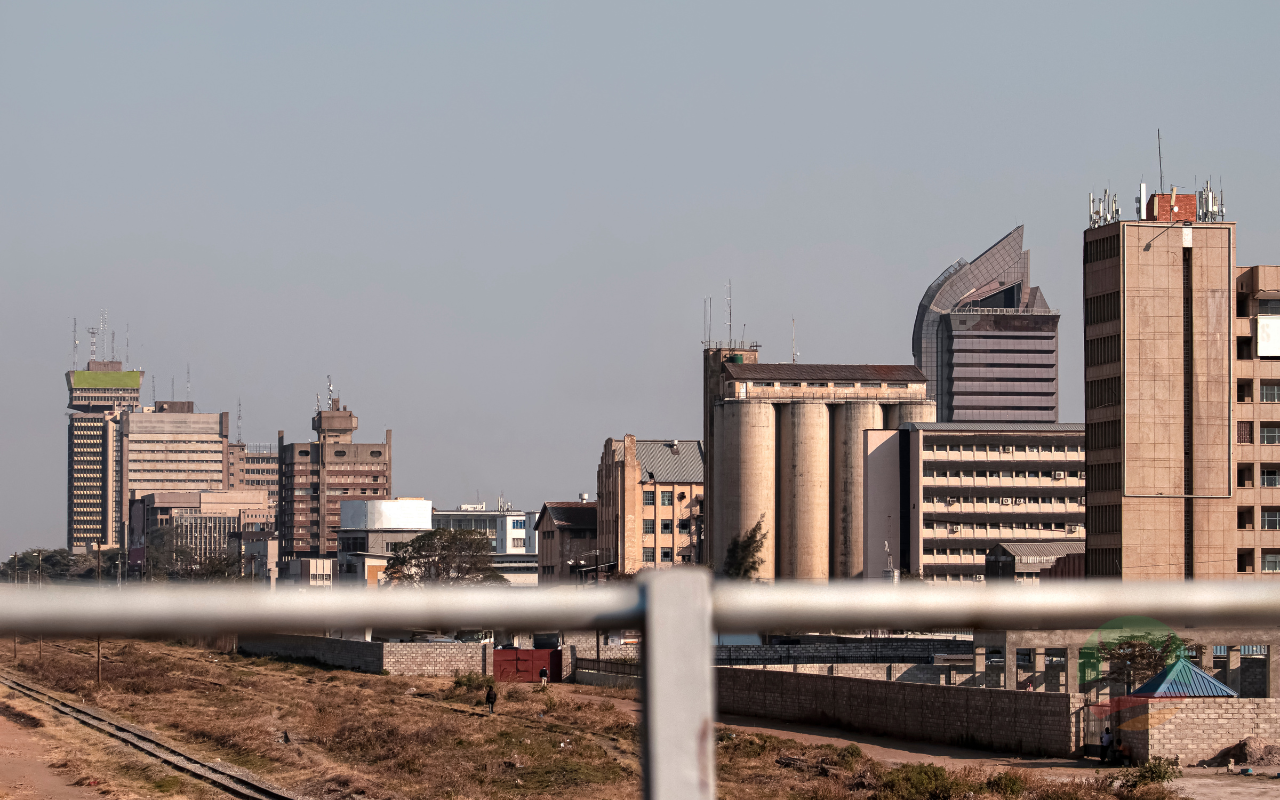
Photo: Chalo ChatuWikimedia CommonsPublic domain
LUSAKA, 13 AUGUST 2026—Updated 13 Aug 2026
LUSAKA — The long fight over where to bury Zambia's sixth president is the reason a race President Hakainde Hichilema was once expected to win comfortably became a contest.
Edgar Lungu died in June 2025. His body was not buried for more than a year, held in South Africa while his family and the Zambian state fought through the South African courts over whether he would be repatriated for a state funeral or laid to rest privately abroad. The dispute ran the length of the pre-election period.
What the row was about
The Zambian government wanted a state funeral at home. Hichilema publicly renewed his appeal for the former president to be buried with full military honours, a position Kwacha News reported from Chipata in its coverage of the call for military honours.
The Lungu family wanted a private burial in South Africa. Behind the procedural argument sat the personal rivalry between Lungu and Hichilema — a feud that had defined a decade of Zambian politics and did not end with one man's death.
The sequence: Lungu dies June 2025 · body remains unburied · the Zambian state and the family litigate in South Africa · the Supreme Court of Appeal reserves judgement in May 2026 · the court rules in June 2026, clearing the way for a private burial · Zambians vote on 13 August 2026.
How it ended
South Africa's Supreme Court of Appeal reserved judgement in May 2026, leaving the remains in legal limbo nearly a year after the death and keeping the dispute at the centre of a cross-border case, as Kwacha News reported when the court reserved its ruling.
The judgment came in June 2026. It ended the standoff and removed the last legal barrier to a private burial in South Africa — the outcome the family had sought for more than a year. Kwacha News covered the ruling and the decision not to appeal at the time.
The timing mattered. The ruling landed less than two months before a general election in which the late former president's camp remained a force.
Why it moved the politics
The governing party wanted the election fought on economic statistics — inflation, fuel, the recovery. The burial row gave the opposition something statistics cannot answer: a grievance with a face, a family and a year of visible unresolved argument.
The BBC reported on 11 August that the controversy following Lungu's death had turned the election into a hot contest, and that Hichilema — previously a shoo-in for a second term — had seen his chances dented by it.
Hakainde Hichilema was a shoo-in for a second term but the controversy following Edgar Lungu's death has dented his chances.
— BBC News, <a href="https://www.bbc.co.uk/news/articles/clye05m3vd3o">A burial row over Zambia's late president has turned its election into a hot contest</a>, 11 August 2026
The Tonse-Pamodzi Alliance, headed by presidential newcomer Brian Mundubile with Makebi Zulu as running mate, inherited the constituency that Lungu once led. An analysis published by The Conversation Africa describes a contest between that alliance and a governing United Party for National Development bloc backed by 15 smaller parties.
There is also a structural reason the row travelled so far. A funeral is one of the few political events that reaches households with no interest in policy argument, and it repeats — at the death, at each hearing, at the ruling, at the burial itself. Each stage renewed the story on its own news cycle without any campaign having to spend a kwacha to keep it alive.
The precedent question
The row also left an institutional question behind it. When Guy Scott, the former vice-president, died in July 2026, State House moved within a day to extend ceremonial recognition — the same honour Hichilema had urged for Lungu. The speed of that response read, to many, as an answer to the preceding year.
What to watch
Whether the burial row translated into votes is the question the count answers. Watch the margins in Eastern Province and on the Copperbelt, where the former president's support was strongest, against the governing party's performance in its southern and north-western strongholds. Kwacha News is covering polling day as it runs. This story is part of Kwacha News's politics coverage.
Frequently Asked Questions
These are the questions readers have been asking about the Lungu burial dispute and its effect on the vote. Short answers follow, drawn from court reporting and the BBC.
When did Edgar Lungu die?
In short, Edgar Lungu died in June 2025. The key is what followed: his body was not buried for more than a year while his family and the Zambian state litigated over where he should be laid to rest.
Why was the burial disputed?
Simply put, the two sides wanted different things. The Zambian government sought a state funeral at home with full military honours, while the family sought a private burial in South Africa. In other words, the argument was over both place and form.
Which court decided the Lungu burial case?
The answer is South Africa's Supreme Court of Appeal. Evidence from the case record shows the court reserved judgement in May 2026 and ruled in June 2026, clearing the way for a private burial in South Africa.
How did the row affect the election?
According to the BBC, the controversy turned what had looked like a straightforward second term into a hot contest and dented Hichilema's chances. The key is that it handed the opposition an emotional argument in a campaign the governing party wanted fought on economic data.
Who is Brian Mundubile?
Research on the field shows Mundubile is a presidential newcomer heading the Tonse-Pamodzi Alliance, with Makebi Zulu as his running mate. Analysis published by The Conversation Africa describes the contest as a fight between that alliance and a governing UPND bloc backed by 15 smaller parties.
Sources
BBC News: a burial row over Zambia's late president has turned its election into a hot contest. The Conversation Africa via AllAfrica: who's who and what issues are shaping the elections. Kwacha News reporting on the case: the Supreme Court of Appeal reserves judgement, the ruling and the decision not to appeal, and the appeal for full military honours. Electoral Commission of Zambia: notice of validly nominated candidates for the 2026 parliamentary elections.
More on Politics

Hichilema wins Zambia's 2026 election for a second term
Zambia's Electoral Commission has declared Hakainde Hichilema president-elect for a second term with about 61 per cent of the vote, over Brian Mundubile's 38 per cent, as the opposition rejects the count.

Press freedom groups urge Zambia to keep the internet on
The Committee to Protect Journalists and the #KeepItOn Coalition urged Zambian authorities and telecoms operators to keep internet access open through the 13 August election, as Amnesty International called for a detained journalist's release.
The Kwacha News briefing.
Business, markets and the Zambian economy — in your inbox.

