

Press freedom groups urge Zambia to keep the internet on
The Committee to Protect Journalists, the #KeepItOn Coalition and Amnesty International pressed authorities and telecoms operators to hold connectivity open through the vote and the count.
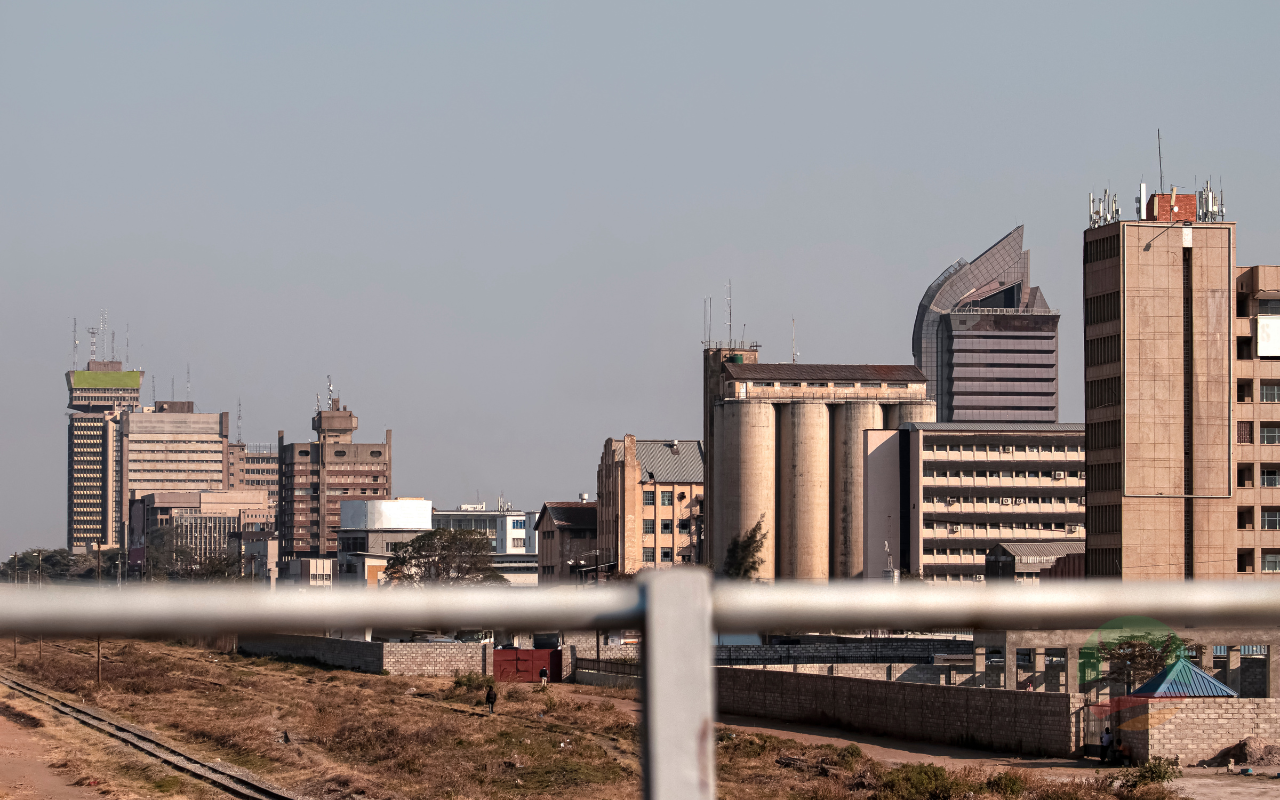
Photo: Benjamin DadaUnsplashUnsplash License
LUSAKA, 13 AUGUST 2026—Updated 13 Aug 2026
LUSAKA — Press-freedom organisations urged Zambia to keep internet access open through the general election, a demand that is now central to how the credibility of the vote will be judged.
The Committee to Protect Journalists (CPJ) joined #KeepItOn Coalition partners in calling on Zambian authorities and telecommunications providers to ensure free and open internet access before, during and after the 13 August general election. The appeal landed on polling day itself, as voting ran from 06:00 to 18:00 hours across the country.
Why connectivity is an election issue
A network shutdown or a throttled service during a count does two things at once. It stops journalists filing, and it stops citizens checking what they are being told. Both effects compound: when verified reporting slows, rumour fills the gap, and a result becomes harder to accept whatever the numbers say.
That risk is not hypothetical in the region. The #KeepItOn Coalition exists precisely because election-period shutdowns have become a recurring tactic, and its members ask operators to state in advance that they will not comply with informal instructions to restrict access.
For election observers, connectivity is operational infrastructure rather than a convenience. Parallel vote tabulation — the practice of independently collecting results from individual polling stations and totalling them separately from the official count — depends on agents in the field being able to transmit figures as they are posted. Restrict the network and that independent cross-reference disappears, leaving the official tally without a check against it.
What the groups asked for: open internet access before, during and after the vote · no throttling of social platforms · telecommunications operators to resist informal restriction orders · the release of a detained journalist.
The Committee to Protect Journalists joined #KeepItOn Coalition partners in urging Zambian authorities and telecommunication providers to ensure free and open internet access before, during, and after the country's general election on August 13.
— Committee to Protect Journalists, <a href="https://allafrica.com/stories/202608130374.html">statement, 13 August 2026</a>
A journalist in detention
The connectivity appeal arrived alongside a specific case. Amnesty International called for the release of MacPherson Mukuka, a journalist at the state broadcaster, who was detained and charged over social-media posts.
The charges relate to Section 10 of Zambia's 2025 Cyber Crimes Act, which prohibits recording a private conversation without prior notice and posting it on social media, Amnesty International said. Tigere Chagutah, the organisation's Regional Director, responded to the charges on behalf of the group.
The case matters beyond one journalist because it tests how a new cyber-crimes statute operates during an election. A law written to address privacy and online harm can, depending on how it is applied, also reach reporting that embarrasses officials.
The wider rights warning
Amnesty International went further than the single case. The organisation said candidates contesting the 13 August general election must commit to reversing what it described as a growing pattern of authoritarian practices threatening human rights before, during and after the polls.
That framing puts an obligation on every campaign rather than only on the government of the day — a deliberate choice, since the commitments outlast whichever side wins.
International attention
Four United States senators — Jeanne Shaheen, ranking member of the Senate Foreign Relations Committee, Cory Booker, ranking member of the subcommittee on Africa and global health policy, Jeff Merkley and Chris Van Hollen — issued a statement calling for peaceful and fair elections ahead of the vote.
Zambia has long traded on a reputation as one of Africa's more stable democracies, and the attention reflects how closely the conduct of this vote is being read. Kwacha News reported on the voting itself in its coverage of polling day, and on the Electoral Commission of Zambia's own appeal for verification before sharing as false posts circulated during the campaign.
What to watch
The immediate test is the period between the close of polls and the declaration of the presidential result — the window in which shutdowns have historically occurred elsewhere on the continent. Watch whether connectivity holds, whether Mukuka is released, and whether operators make any public statement about instructions received. This story is part of Kwacha News's politics coverage.
Frequently Asked Questions
These are the questions readers have been asking about press freedom and internet access around the Zambian vote. Short answers follow, drawn from the Committee to Protect Journalists and Amnesty International.
What is the #KeepItOn Coalition?
In short, the #KeepItOn Coalition is an international grouping of civil-society organisations that campaigns against internet shutdowns, particularly around elections. The key is that it targets both governments and the telecommunications operators who would have to carry out any restriction.
Has Zambia shut down the internet during an election?
The answer is that the appeal is preventive rather than a response to a confirmed shutdown. Evidence from election cycles across the continent shows the risk window is the period around the count, which is why the coalition asked for commitments before, during and after the vote rather than only on polling day.
Why was a journalist arrested before the election?
Simply put, the charges concern social-media posts. Amnesty International said the case against MacPherson Mukuka relates to Section 10 of Zambia's 2025 Cyber Crimes Act, which prohibits recording a private conversation without prior notice and posting it online.
What did Amnesty International say about the elections?
Research and advocacy from the organisation shows a concern that runs wider than one arrest. Amnesty International said candidates must commit to reversing a growing pattern of authoritarian practices threatening human rights before, during and after the polls. In other words, the demand was directed at all contenders, not only the incumbent.
Why does internet access affect an election result?
The key is verification. Data and reporting on contested counts show that when connectivity fails, independent tallies and journalism stop reaching the public while rumour continues to spread by other means. The answer is that an information blackout tends to damage confidence in a result regardless of whether the count itself was sound.
Sources
Committee to Protect Journalists: CPJ joins call for Zambian authorities to keep the internet on during elections. Amnesty International: authorities must free journalist arrested over social media posts and stalled reforms risk reversing human rights gains. United States Senate: leading Democrats issue call for peaceful elections in Zambia. Electoral Commission of Zambia: notice of validly nominated candidates for the 2026 parliamentary elections.
More on Politics

Hichilema wins Zambia's 2026 election for a second term
Zambia's Electoral Commission has declared Hakainde Hichilema president-elect for a second term with about 61 per cent of the vote, over Brian Mundubile's 38 per cent, as the opposition rejects the count.

The burial row that made the Zambian election a contest
Edgar Lungu died in June 2025 and was not buried for more than a year while his family and the Zambian state fought through the South African courts. The dispute shadowed the campaign and, the BBC reported, turned an expected walkover into a contest.

Zambians vote as Hichilema seeks a second term
Zambians voted on Thursday in a general election fought on the cost of living and the record of the past five years. Polls opened at 06:00 and close at 18:00, with counting to follow.
The Kwacha News briefing.
Business, markets and the Zambian economy — in your inbox.