

Chief Justice Malila: courts ready for poll disputes
Mumba Malila says no judge will be coerced, and that every petition from the 13 August vote will be decided inside the 90-day limit the law sets.
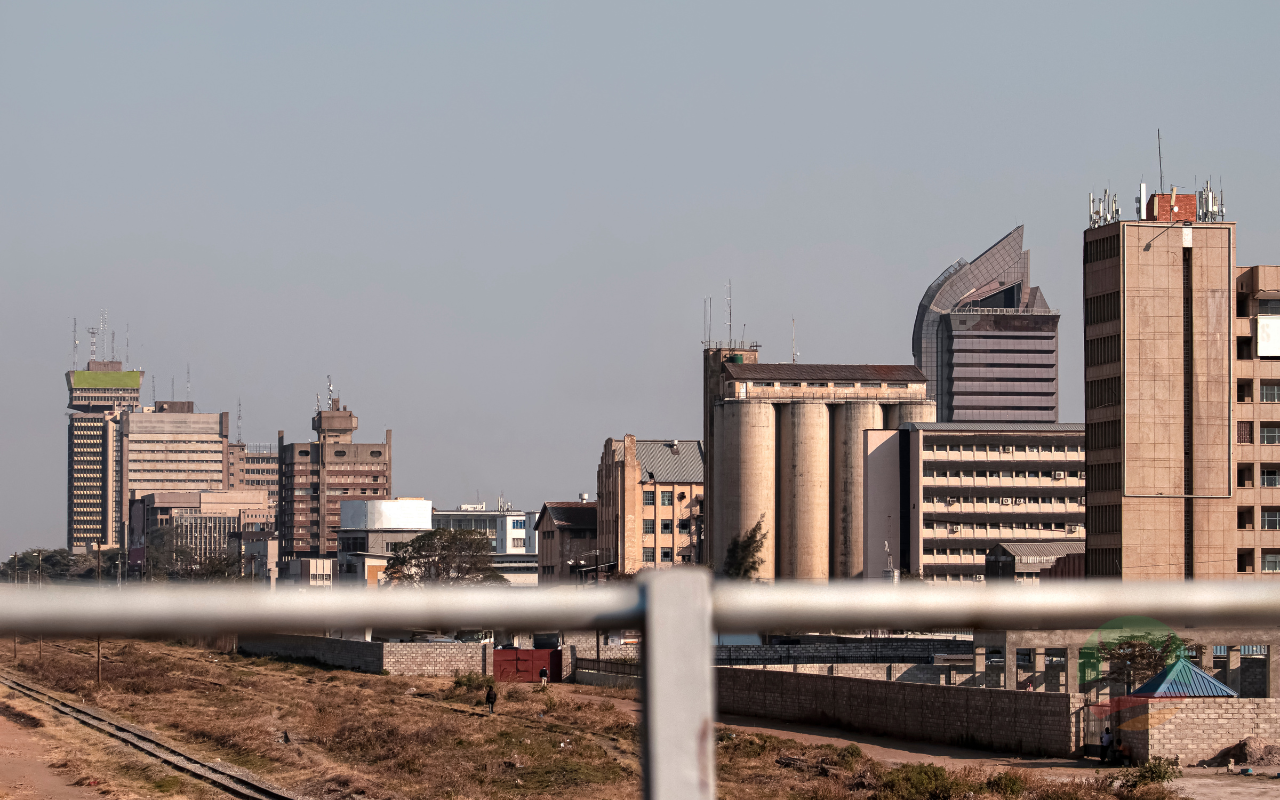
Photo: Sasun BughdaryanUnsplashUnsplash License
LUSAKA, 6 AUGUST 2026—Updated 6 Aug 2026
LUSAKA — Chief Justice Mumba Malila says Zambia's judiciary is ready to decide disputes from the 13 August general election without fear or favour, inside the 90-day limit the law allows.
The assurance matters because the courts are the designated route for anyone contesting a result. Zambia's last two general elections both produced petitions, and the credibility of the outcome on 13 August will rest in part on whether losing candidates believe the bench will hear them on the merits. Malila set out the judiciary's position in remarks to an African Union observer mission ahead of the vote.
What the Chief Justice said
Malila said the judiciary will preside over any electoral disputes arising from the 2026 general election without fear or favour, and that no judge will be coerced into delivering an electoral judgement selectively. He drew a line between the court's role and the voter's.
The Judiciary shall not choose elections, neither does it determine political outcomes. These choices belong to the people of Zambia. Our constitutional responsibility begins when disputes arise.
— Chief Justice Mumba Malila, remarks to the African Union observer mission, Lusaka, August 2026 — <a href="https://judiciaryzambia.com/election-dispute-resolution-edr/">Judiciary of Zambia, Election Dispute Resolution</a>
The distinction is not merely rhetorical. Zambian election petitions turn on whether proven irregularities were substantial enough to change the result, not on whether a court prefers one candidate. Malila's framing puts the burden where the statute puts it: on evidence brought after the fact, not on judicial supervision of the campaign itself.
The 90-day clock
The judiciary says it remains committed to determining all election-related matters within the statutory 90-day period. That deadline is the single hardest constraint in Zambian election law: a petition that outruns it risks being overtaken by the very term of office it disputes. Malila said the judiciary has not encountered systemic delays in determining electoral disputes across the last two election cycles.
What the judiciary has put in place for 2026 — Continuous training of adjudicators on election dispute resolution. • High Court rules developed specifically for election petitions. • An Adjudicators' Handbook and a Digest of electoral case law. • A three-year institutional programme, of which the latest training round is the culmination.
Those measures are the practical answer to the 90-day problem. Election petitions arrive in a rush, they arrive everywhere at once, and they arrive before judges who may not have heard one since the previous cycle. Standing rules and a handbook reduce the time each bench spends deciding how to proceed rather than what to decide.
Background
The courts have already shaped this election before a vote has been cast. Kwacha News reported when the High Court quashed the Electoral Commission of Zambia's ban on the candle ballot symbol, a ruling that went to how independents appear on the paper. The bench has also been active on the structure of government itself, striking down the minister's power to suspend councils.
Fourteen candidates are contesting the presidency, a field Kwacha News set out in its report on the 14-strong field challenging President Hakainde Hichilema. A crowded ballot raises the arithmetic odds of a close result in at least some constituencies, and close results are what generate petitions. This report is part of Kwacha News's courts coverage.
What to watch
The test begins the moment results are declared. Watch how quickly the first petitions are filed, whether the High Court's new election-petition rules hold up under volume, and whether any matter approaches the 90-day boundary. Watch also whether the African Union mission and other observers reference judicial readiness in their preliminary statements.
Frequently Asked Questions
What is an election petition in Zambia?
In short, an election petition is the formal legal challenge to a declared result. Simply put, it is how a losing candidate asks a court to void an election. The key is the threshold: the evidence must show irregularities substantial enough to have affected the outcome, not merely that irregularities occurred.
How does the 90-day rule work?
The answer is that the law sets a statutory 90-day period for determining election-related matters. Data from the last two Zambian election cycles shows the judiciary meeting that window without systemic delay, according to the Chief Justice. The clock is what forces petitions to be argued tightly rather than at leisure.
Why is judicial independence the issue here?
Because a court that is seen to take instruction cannot settle a disputed election. According to Malila, no judge will be coerced into delivering an electoral judgement selectively. In other words, the value of the guarantee lies in whether losing parties accept the ruling, and that acceptance is what converts a contested count into a settled result.
Who hears election disputes?
Presidential petitions go to the Constitutional Court of Zambia. Parliamentary and local-government petitions are heard by the High Court and, on appeal, the higher courts. Research by the judiciary into its own caseload informed the Adjudicators' Handbook prepared for the 2026 cycle, which shows how widely the work is distributed across the bench.
What are the real risks to timely electoral justice?
Analysis of election dispute resolution points to three durable risks: a volume of petitions that outstrips available adjudicators, evidence that arrives too late to be tested inside 90 days, and the reputational risk that a single delayed judgement casts doubt on the rest. Evidence from prior cycles reveals that timeliness, not doctrine, is the usual pressure point. Each risk is administrative, not constitutional.
Sources
Judiciary of Zambia: Election Dispute Resolution, and the remarks of Chief Justice Mumba Malila to the African Union observer mission, Lusaka, August 2026. Electoral Commission of Zambia: Electoral Commission of Zambia for the 13 August 2026 general election timetable.
More on Courts

Trader convicted in Lusaka for failing to use Smart Invoice
The Zambia Revenue Authority says a Lusaka Subordinate Court convicted Suhel Moosa, trading as Mobile Monster, for failing to record sales on Smart Invoice, its electronic invoicing system.

25 ex-mayors sue government for K153m in Lusaka court
A group of 25 former mayors and council chairpersons, led by Duncan Kaonga, has filed a lawsuit in the Lusaka High Court seeking more than K153 million in alleged unpaid salaries, allowances and benefits from their time in local government office.
The Kwacha News briefing.
Business, markets and the Zambian economy — in your inbox.

