

TB still kills as donor funds retreat from Africa
Tuberculosis remains the world’s leading infectious killer and Zambia carries one of the heaviest burdens — just as the foreign aid that props up TB and HIV care across the region is being pulled back.
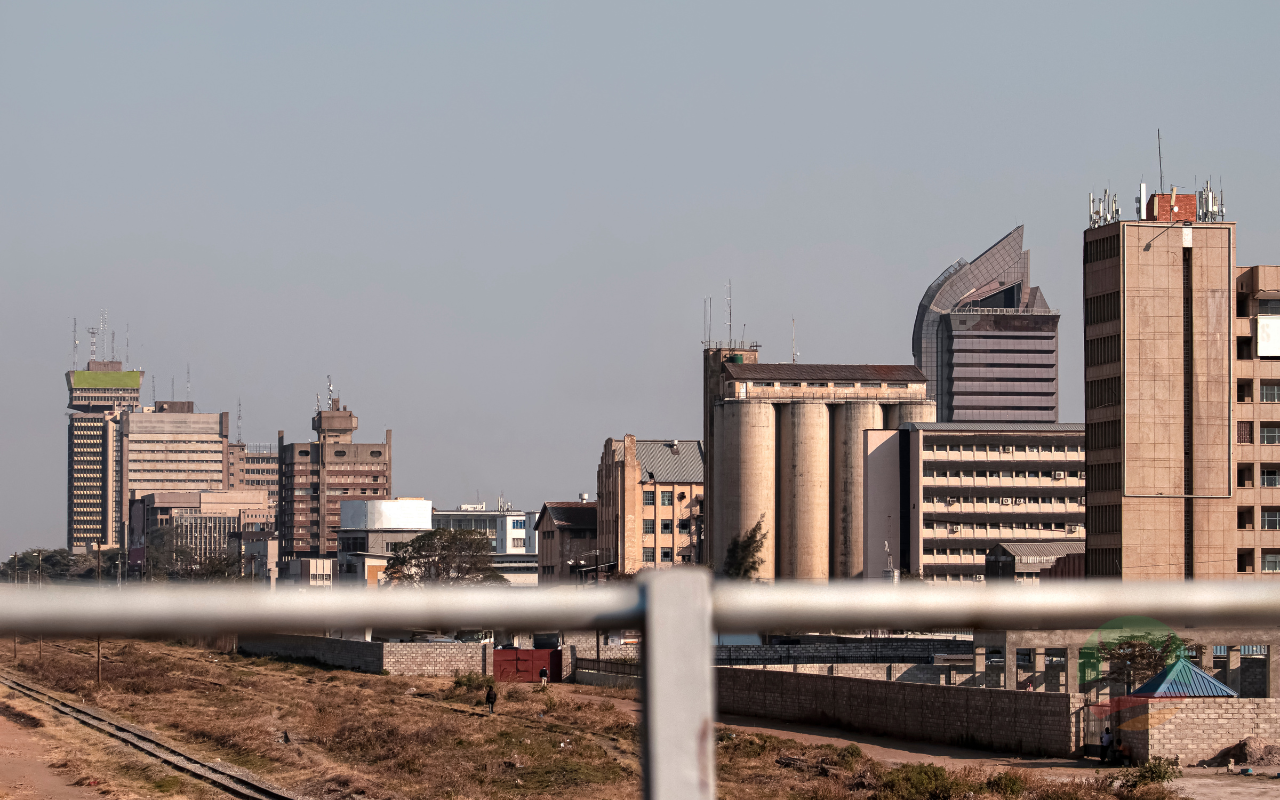
Photo: Martha Dominguez de GouveiaUnsplashUnsplash License
LUSAKA, 19 JUNE 2026—Updated 8 Jul 2026
Tuberculosis killed 1.23 million people in 2024 and is again the world's leading infectious killer, even as cuts to global health funding threaten the programmes fighting it across Africa.
The collision — a preventable, curable disease meeting a retreat in the money for control — is sharpest in southern Africa, where Zambia carries one of the world's heaviest TB burdens. This story is part of Kwacha News's health coverage.
The scale of the disease
The World Health Organization reported that 10.7 million people fell ill with tuberculosis in 2024 and 1.23 million died, making TB once more the deadliest single infectious agent. The heaviest burden sits in the WHO African Region. TB and HIV travel together: about 619,000 people living with HIV developed TB, and in parts of southern Africa more than half of new TB cases are among people who also have HIV.
Zambia is one of 30 countries the WHO classes as high-burden. On Stop TB Partnership figures, Zambia records around 59,000 cases a year, an incidence of about 319 per 100,000 people, with treatment reaching roughly 68 percent of those who need it. As many as half of people with TB symptoms are still missed at health facilities — undiagnosed, untreated, and able to pass the infection on.
The numbers in brief: TB killed 1.23 million people worldwide in 2024 and made 10.7 million ill, the World Health Organization says, with the African Region carrying the heaviest burden. Zambia is a high-burden country with about 59,000 cases a year (around 319 per 100,000) and treatment coverage near 68 percent. South Africa loses about 54,000 people to TB each year. Foreign-aid cuts since early 2025 now threaten the programmes that fund TB and HIV care across the region.
Why the funding squeeze matters
TB control in southern Africa has leaned heavily on foreign money, much of the funding routed through HIV programmes because the two diseases are so entangled. Donor funding is now being pulled back. A pause in United States foreign aid, begun in early 2025, has forced clinics, testing sites and research programmes across the region to cut back or close.
Two institutions have carried much of that load. The US President's Emergency Plan for AIDS Relief, known as PEPFAR, and the Global Fund to Fight AIDS, Tuberculosis and Malaria have together underwritten much of the testing, treatment and drug supply that high-burden countries such as Zambia, Malawi and Mozambique could not finance alone. When PEPFAR retrenches, the shock runs straight through a TB system built on the same clinics and staff.
We must do everything we can to keep the lights on for the HIV response.
— UNAIDS, on the impact of US funding cuts, <a href="https://www.unaids.org/en/impact-US-funding-cuts">May 2025</a>
The modelling is stark. Researchers warn that cuts to the US PEPFAR programme could lead to as many as 74,000 excess HIV deaths in Africa by 2030, a toll that would pull TB cases up with it, since untreated HIV leaves people far more vulnerable to tuberculosis. Every clinic that loses a counsellor or a testing kit is a clinic less able to catch TB early.
Why Zambia is exposed
Zambia sits at the intersection of high TB incidence, high HIV prevalence and heavy donor dependence — the three factors that make a funding retreat most dangerous. There is one encouraging signal: the World Health Organization noted Zambia is close to reaching its 2025 milestones for cutting both TB incidence and TB deaths, proof sustained investment works. The risk now is plain — the gains unwind if the money behind the programmes disappears.
The exposure is regional, not only Zambian. Kwacha News has reported on the strain across the neighbourhood, from the Ebola outbreak climbing toward Zambia's border with the Democratic Republic of Congo to the way misinformation can undercut a public-health response. A weakened health system fights every one of these threats less well.
The accountability response
Some governments are trying to hold the line through scrutiny rather than spending alone. In South Africa, which loses about 54,000 people to TB each year, a parliamentary TB Caucus has been reconstituted as a way to keep the disease politically visible and to ask why testing targets are missed and whether money reaches the front line. Dr Karl le Roux, a member of parliament on the health portfolio committee, argued in Daily Maverick that such an accountability mechanism is critical precisely as international funding tightens.
The logic carries to Zambia. As donor money retreats, the case for domestic health financing and for parliamentary oversight of how every kwacha is spent grows stronger, not weaker. A disease that is curable should not be a death sentence, and whether it remains one is now partly a budgeting decision.
What to watch
The immediate marker is how far the US aid pause is reversed, narrowed or made permanent, and what fills any gap. The second is whether Zambia and its neighbours can shift more TB and HIV costs onto domestic budgets without losing coverage. The WHO's next country data will show whether Zambia holds the progress it has made — or whether the funding squeeze begins to erase it.
Frequently Asked Questions
These are the questions readers have been asking about TB and the health-funding squeeze. Short answers follow, drawn from the World Health Organization, the Stop TB Partnership and reporting in Daily Maverick.
What is tuberculosis?
In short, tuberculosis is a bacterial infection that mainly attacks the lungs and spreads through the air when an infected person coughs. The answer, simply put, is that it is preventable and curable with a course of antibiotics. The key is early diagnosis: caught late or left untreated, TB kills, which is why missed cases matter so much.
How does TB spread and who does it hit hardest?
Data from the World Health Organization shows TB spreads through the air and hits hardest where poverty, crowding and HIV overlap. People living with HIV are far more likely to develop TB, which is why southern Africa, with high HIV prevalence, carries so heavy a burden.
Why is Zambia’s TB burden so high?
The answer is a mix of high HIV prevalence, poverty and gaps in diagnosis. Research from the Stop TB Partnership shows Zambia records about 59,000 cases a year and misses up to half of people with TB symptoms at health facilities, allowing the infection to keep spreading.
What are funding cuts doing to TB care?
Analysis of the aid retreat reveals real danger. Evidence shows TB control leans on foreign money routed through HIV programmes, and modelling warns US PEPFAR cuts could cause up to 74,000 excess HIV deaths in Africa by 2030 — a toll that would drag TB cases up alongside it.
Which programmes are most at risk?
The most exposed are the HIV-linked testing, treatment and counselling services that also catch and treat TB, along with research sites — the front-line programmes that a foreign-aid pause beginning in early 2025 has already forced to cut back across the region.
Sources
World Health Organization: Global Tuberculosis Report 2025. Stop TB Partnership: Zambia country assessment.
Daily Maverick: why South Africa's reconstituted parliamentary TB Caucus is critical. CIDRAP: PEPFAR funding cuts and excess HIV deaths in Africa. UNAIDS: impact of US funding cuts. Kwacha News coverage: the DR Congo Ebola outbreak and health misinformation.
More on Health

Ebola deaths pass 2,000 as WHO warns of deadliest outbreak
More than 2,000 people have died since the Ebola outbreak was declared on 15 May, and the WHO says it is on track to be the deadliest on record. Zambia's exposure runs through its northern border.

Zambia restarts radiotherapy after five years offline
Radiotherapy has resumed at Lusaka's Cancer Diseases Hospital after a US$31 million upgrade funded entirely from domestic resources, ending a five-year gap in advanced cancer treatment.
The Kwacha News briefing.
Business, markets and the Zambian economy — in your inbox.

