

US health grant to Zambia is not yet signed, government says
A cabinet officer publicly thanked Washington for a five-year, $1.5 billion health package; the information ministry then clarified that no deal has been signed — a small correction with real stakes for HIV, TB and malaria programmes.
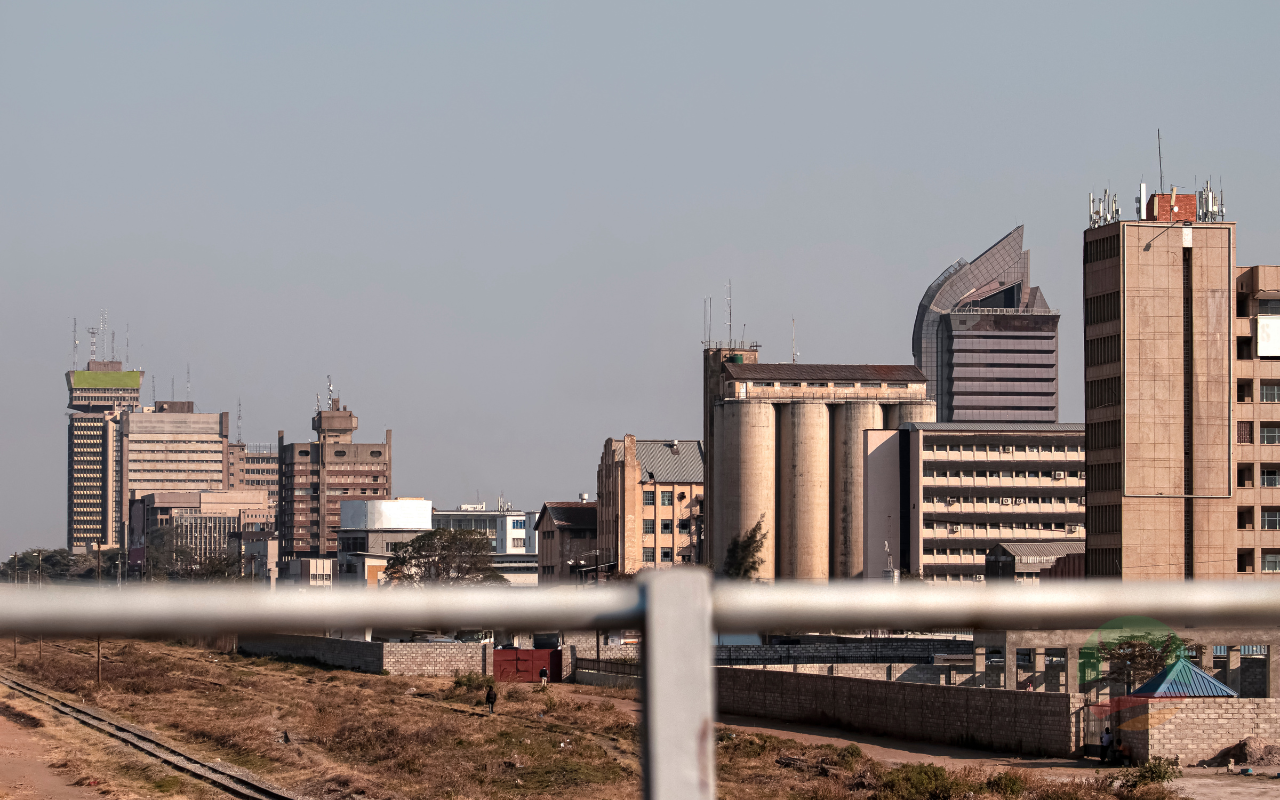
Photo: Nnaemeka UgochukwuUnsplashUnsplash License
LUSAKA, 3 JUNE 2026—Updated 8 Jul 2026
LUSAKA — A five-year United States health grant that the government has welcomed is not yet signed, an official clarified, after a cabinet officer put its value at $1.5 billion.
The correction is small but the stakes are not. United States money underwrites a large share of Zambia's fight against HIV, tuberculosis and malaria, and any new package — its size, its timing, whether it is signed at all — bears directly on clinics and patients. Kwacha News has reported on how the country is trying to widen its own health funding in its analysis of the fiscal case for health taxes.
The sequence began at a United States 250th-anniversary celebration at the Chief of Mission Residence in Lusaka, where the Secretary to the Cabinet, Patrick Kangwa, thanked Washington for recent support he valued at $1.5 billion over five years, from April 2026 to 2030. The support, he said, would help consolidate gains against HIV and AIDS, malaria and tuberculosis, strengthen disease-surveillance systems and safeguard maternal and child health.
The Ministry of Information Permanent Secretary, Thabo Kawana, then clarified the position: the government appreciates the offered support, but the deal has not yet been signed. The clarification draws a line between a welcome and a commitment — between thanking a partner for an intended package and confirming that pen has met paper. For programmes that plan in budget cycles, that distinction decides what can be counted on.
The episode lands amid a wider rethink of how Zambia funds its health system and how far it leans on foreign aid. Earlier reporting in the cycle described the government weighing — and at one point declining — a separate large United States health proposal, framed around a stated ambition to reduce aid dependency over time. Whether the $1.5 billion package is a continuation of long-running United States health support or a new arrangement is exactly the kind of detail a signature would settle.
United States health assistance to Zambia has historically flowed through PEPFAR, the President's Emergency Plan for AIDS Relief, alongside malaria and global-health programmes. These have paid for antiretroviral drugs, testing, prevention and the health workers who deliver them. Shifts in the scale or certainty of that funding ripple straight through to treatment numbers — which is why a clarification about whether a grant is signed is itself news, not a technicality. The funding question also sits beside the broader recalibration of United States engagement with Africa.
Background
PEPFAR has been the backbone of United States health support in Zambia for two decades, channelling billions of dollars into the HIV response and helping push treatment to the scale that turned the epidemic from a death sentence into a managed condition for many. Malaria and tuberculosis programmes have run alongside it. The result is a health system in which a meaningful share of front-line disease programming is externally funded.
That dependence cuts two ways. It has bought real gains — falling HIV deaths, expanded testing, stronger surveillance — but it leaves core programmes exposed to decisions made in Washington. Recent uncertainty over United States global-health spending has pushed governments across the region, Zambia among them, to ask how much of the bill they could shoulder themselves if external support narrowed.
Against that backdrop, the government has explored domestic financing options, from health taxes on tobacco, alcohol and sugary drinks to broader budget reallocations. None of these replaces a $1.5 billion external package quickly. The realistic near-term picture is a blend: continued external support where it can be secured, and a slow build-up of domestic revenue behind it.
The government appreciates the support that has been offered, but the deal has not yet been signed.
— Thabo Kawana, Ministry of Information Permanent Secretary, clarifying remarks on the United States health grant
Snapshot: At a United States 250th-anniversary event in Lusaka, Secretary to the Cabinet Patrick Kangwa thanked Washington for a five-year, $1.5 billion health package (April 2026–2030) for HIV, TB, malaria, disease surveillance and maternal and child health. Information PS Thabo Kawana then clarified the deal is not yet signed. United States health support to Zambia has historically run through PEPFAR. The distinction between a welcome and a signature matters for programme planning.
What to watch
The first marker is a signature and the documents behind it. Analysis of aid agreements shows the headline figure means little until the terms — disbursement schedule, conditions, what exactly the money covers — are fixed in a signed instrument. Evidence from past packages reveals announced sums and disbursed sums can differ. Until a deal is signed, the $1.5 billion is an intention, not a budget line.
The second marker is the domestic-financing track. Data on Zambia's health budget shows external funds still carry core disease programmes, and research on health taxes demonstrates domestic revenue builds slowly. This story is part of Kwacha News's continuing health coverage, where the balance between foreign aid and home-grown funding is a running theme.
Frequently Asked Questions
These are the questions readers have raised since the clarification. Short answers follow, drawn from the officials' remarks and the record of United States health support to Zambia.
What is the US health grant for Zambia?
In short, it is a five-year United States health package, valued by a cabinet officer at $1.5 billion for 2026 to 2030, aimed at HIV, tuberculosis, malaria, disease surveillance and maternal and child health. The answer, simply put, is support the government has welcomed. The key is that, according to the information ministry, it has not yet been signed.
Who said what?
According to the government, Secretary to the Cabinet Patrick Kangwa thanked Washington for the $1.5 billion package at a United States anniversary event, and Information Permanent Secretary Thabo Kawana then clarified that the deal is not yet signed. Evidence shows the two statements are consistent: appreciation for an offer, not confirmation of a signature.
Why does "not yet signed" matter?
Data on aid agreements shows a signature fixes the terms — how much, by when, for what. The answer is that health programmes plan in budget cycles and cannot count on unsigned money. In other words, the clarification protects the government from over-promising and tells clinics what is, and is not, yet committed.
How does this connect to PEPFAR?
Research shows United States health support to Zambia has historically flowed through PEPFAR, the President's Emergency Plan for AIDS Relief, alongside malaria and global-health programmes. The key is that these funds underwrite front-line treatment. Simply put, a new package would sit within that long-running relationship.
Can Zambia fund this itself?
Not quickly. Analysis of the health budget shows external funds still carry core disease programmes, and evidence on health taxes reveals domestic revenue grows slowly. The answer is that the realistic path is a blend — continued external support where secured, and a gradual build-up of domestic financing behind it.
Sources
The remarks are attributed to the Secretary to the Cabinet, Patrick Kangwa, and the Ministry of Information Permanent Secretary, Thabo Kawana, speaking publicly around a United States 250th-anniversary event in Lusaka. Background on United States health support via PEPFAR and the Ministry of Health; United States mission information via the U.S. Embassy in Zambia.
More on Health

Ebola deaths pass 2,000 as WHO warns of deadliest outbreak
More than 2,000 people have died since the Ebola outbreak was declared on 15 May, and the WHO says it is on track to be the deadliest on record. Zambia's exposure runs through its northern border.

Zambia restarts radiotherapy after five years offline
Radiotherapy has resumed at Lusaka's Cancer Diseases Hospital after a US$31 million upgrade funded entirely from domestic resources, ending a five-year gap in advanced cancer treatment.
The Kwacha News briefing.
Business, markets and the Zambian economy — in your inbox.

