

Government releases K1.4 billion for Social Cash Transfer
Angela Kawandami, Permanent Secretary for Administration in the Ministry of Community Development and Social Services, says the disbursement covers the May–June 2026 payment cycle and is the latest in a series of releases this year.
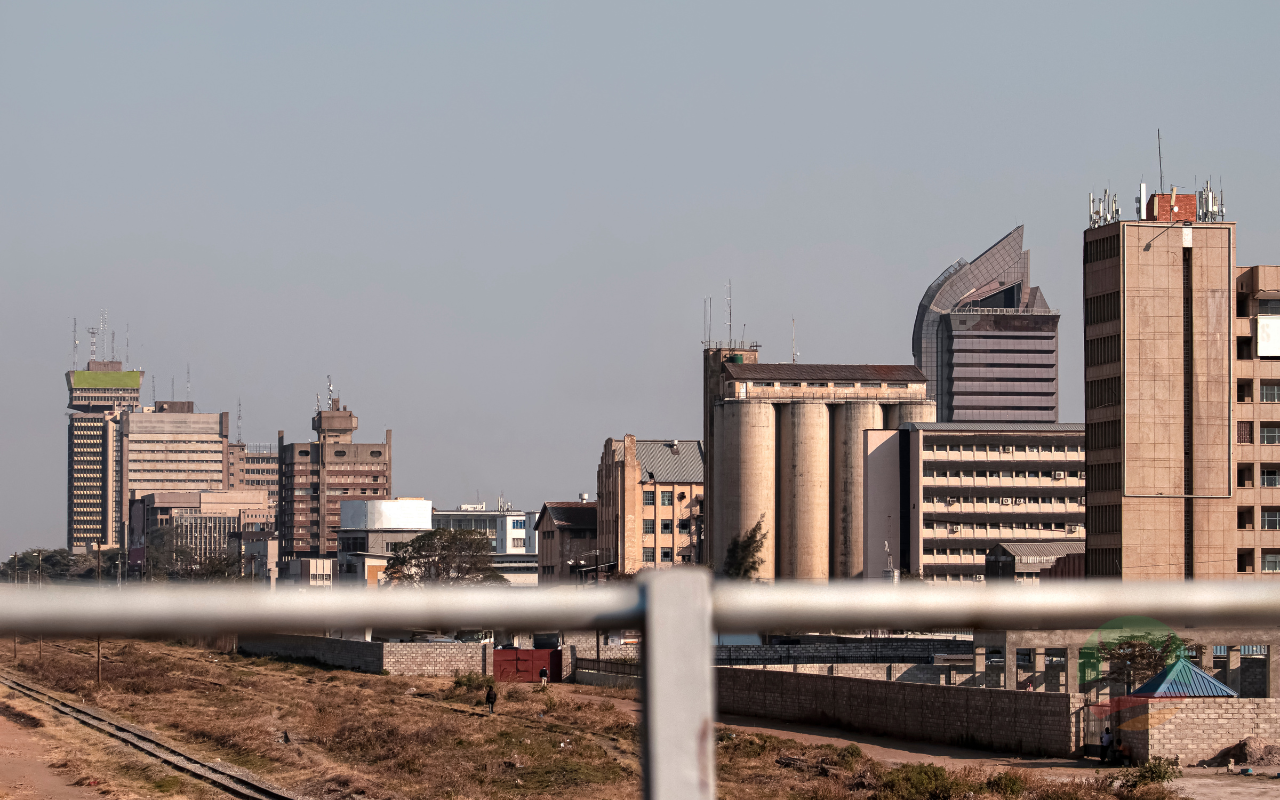
Photo: Edge TrainingPexelsPexels License
LUSAKA, 3 JULY 2026—Updated 3 Jul 2026
LUSAKA — Government has released K1.4 billion, the amount that represents the Social Cash Transfer programme's May-June 2026 payment cycle.
The disbursement, confirmed by the Ministry of Community Development and Social Services, keeps the flagship social-protection programme on schedule as it channels regular payments to extremely poor and vulnerable households across all ten provinces. The release matters because the Social Cash Transfer is one of the largest direct-payment channels the state runs, and any gap between cycles is felt immediately by beneficiary households with little other income.
What Kawandami said
Angela Kawandami, Permanent Secretary for Administration in the Ministry of Community Development and Social Services, announced the release and said it forms part of a broader pattern of disbursements the government has made under the programme this year. She did not give a running cumulative total for 2026, describing the K1.4 billion instead as the latest in a series of payments already made this year.
This disbursement of K1.4 billion for the May-June cycle shows government’s continued commitment to the Social Cash Transfer programme, and it is the latest in a series of releases we have made to beneficiary households this year.
— Angela Kawandami, Permanent Secretary for Administration, Ministry of Community Development and Social Services
Snapshot — key facts: K1.4 billion released for the May–June 2026 Social Cash Transfer payment cycle. Announced by Angela Kawandami, Permanent Secretary for Administration, Ministry of Community Development and Social Services. The release is part of a wider series of disbursements made under the programme in 2026. Source: Zambia News and Information Services (ZANIS), published 2 July 2026.
Background — the Social Cash Transfer programme
The Social Cash Transfer programme is a Zambian government social-protection scheme that targets extremely poor and vulnerable households, including those affected by disability, chronic illness or old age with no other means of support. It is administered by the Ministry of Community Development and Social Services and forms a central plank of Zambia’s broader social protection strategy, which aims to cushion the poorest households against shocks while supporting basic consumption, health and education outcomes.
Payments are made in cycles, with government releasing funds periodically to district offices for onward disbursement to registered beneficiaries. The programme has grown over the years into one of the state’s principal tools for direct income support, sitting alongside other safety-net interventions run by the ministry. This story is part of Kwacha News’s continuing business and economy coverage of government spending and fiscal disbursements.
Why the timing matters
The K1.4 billion release lands in a year when Zambia’s fiscal position has been under close watch following the country’s debt restructuring and return to positive growth. Government has said the economy has stabilised and growth is the next priority, and continued, on-schedule social spending is one of the signals officials point to when making that case. Keeping cash-transfer cycles on time also matters for investor confidence in the state’s fiscal management more broadly — a theme that has featured in recent assessments of investor appetite for Zambia returning after the default.
Zambia holds a general election on 13 August 2026. Social spending disbursements such as this one are continuing on the normal payment schedule in the run-up to the vote, a pattern officials have framed as consistent with the programme’s established payment calendar rather than as an election-specific measure. The disbursement itself, however, is the story: a routine, scheduled cycle payment rather than a one-off announcement.
Accountability and transparency context
Zambia has in recent periods put emphasis on transparency in how public funds, including social-sector disbursements, are tracked and reported. The country’s standing on extractive-sector transparency, for instance, has been the subject of independent validation — Kwacha News reported that Zambia scored 81 in an EITI transparency validation exercise — and similar scrutiny extends to how social-protection funds are disbursed and accounted for at district level. Ministry officials have said the disbursement schedule for the Social Cash Transfer programme follows the same accountability principles.
Research on cash-transfer programmes across the region consistently shows that predictable, on-time payment cycles are one of the strongest determinants of a programme’s effectiveness — delayed cycles erode household budgeting and can force beneficiaries into distress borrowing. Data from social-protection evaluations elsewhere in Southern Africa reveals that timeliness, not just the size of a transfer, drives much of the measured impact on food security and school attendance.
What to watch
The next marker to watch is confirmation that the K1.4 billion has reached district offices and, in turn, registered beneficiaries without delay. Ministry officials typically confirm disbursement completion in the weeks following a release of this kind. Analysts and civil-society groups tracking social spending will also be watching whether the pace of releases holds steady through the remaining 2026 payment cycles, including the periods immediately before and after the 13 August election.
Beyond this cycle, the ministry is expected to continue reporting on Social Cash Transfer disbursements as part of its routine public communication, alongside broader fiscal updates from the Ministry of Finance and National Planning. Any change in cycle timing or amount would itself become the next story in this thread.
Frequently Asked Questions
These are the questions readers have been asking since government released the latest Social Cash Transfer funds. Short answers follow, drawn from the ministry’s announcement and the programme’s public record.
What is the Social Cash Transfer programme?
In short, the Social Cash Transfer programme is a Zambian government social-protection scheme that provides direct cash payments to extremely poor and vulnerable households. The answer, simply put, is that it exists to cushion households with little or no other income against basic consumption shocks. The key is that it is administered by the Ministry of Community Development and Social Services as part of the country’s wider social protection strategy.
How does the Social Cash Transfer disbursement process work?
The programme accepts registered beneficiary households identified through community-based targeting, then pays out in scheduled cycles. Research from social-protection programme reviews shows that funds are released by government to district offices, which handle onward payment to beneficiaries. Data from the ministry’s own announcements reveals that the May-June 2026 cycle alone accounted for K1.4 billion in this latest release.
Why is this disbursement significant now?
Earlier cycles drew less public attention when Zambia’s fiscal position was under heavier strain during the debt restructuring period. According to Permanent Secretary Angela Kawandami, this disbursement shows continued commitment to the programme even as the country manages a broader economic recovery. The answer is that on-schedule social spending is being cited as one indicator of fiscal discipline holding steady into an election year.
What are the main goals of the Social Cash Transfer programme?
The programme’s goals include supporting basic household consumption, reducing extreme poverty, and improving health and education outcomes among vulnerable groups — anyone who needs support due to poverty, disability, chronic illness or old age with no other means. In other words, the change reaches the poorest household layer directly while leaving broader social services to other ministry programmes.
Which ministry oversees the Social Cash Transfer programme?
Analysis of the programme’s structure shows the Ministry of Community Development and Social Services holds direct oversight, with Permanent Secretary for Administration Angela Kawandami among the officials making public disbursement announcements. Evidence from the programme’s payment record reveals a consistent pattern of ministry-led cycle releases through 2026. Each disbursement is confirmed publicly, not handled as an internal-only transaction.
Sources
Zambia News and Information Services (ZANIS): Government releases K1.4 billion for Social Cash Transfer programme, published 2 July 2026. Kwacha News coverage: Nalumango says Zambia’s economy stabilised, growth next, Citi says investor appetite for Zambia returns after default and Zambia scores 81 in EITI transparency validation.
More on Business & Economy

Guinea bans raw gold exports as Africa pushes local refining
Guinea has banned raw gold exports and now demands local refining, African Business reported. For Zambia, whose copper still leaves largely unprocessed, the move sharpens a long-running question about where the value is captured.

Zambia cuts fuel prices again as shop prices stay high
Zambia's Energy Regulation Board cut pump prices for a third straight month in August 2026, but transport fares and food prices remain high and non-food inflation is rising.
The Kwacha News briefing.
Business, markets and the Zambian economy — in your inbox.

