

Zambia scores 81 in EITI transparency validation
A 'very good' rating on the global standard for resource transparency is a quiet vote of confidence in how Zambia accounts for its copper billions.
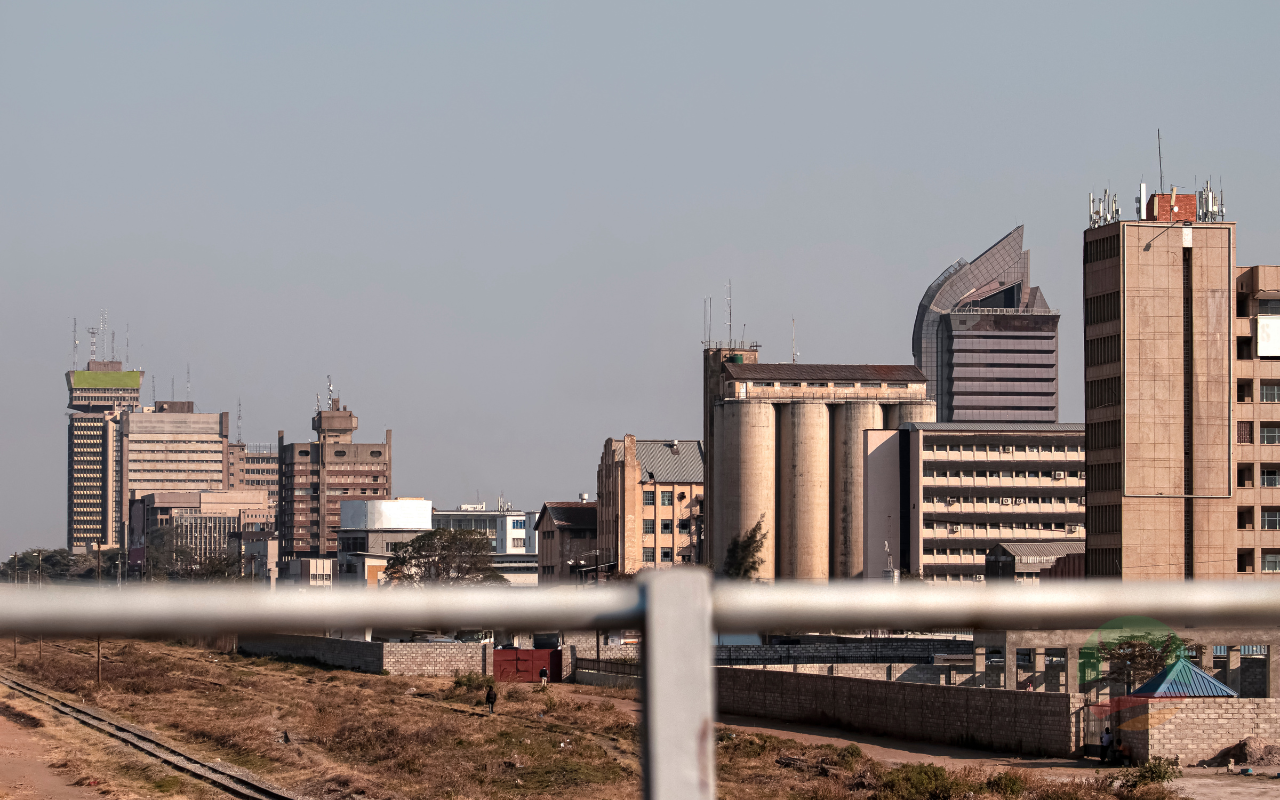
Photo: Kefentse MolotsanePexelsPexels License
LUSAKA, 30 JUNE 2026—Updated 30 Jun 2026
LUSAKA — Zambia's handling of its mining revenues is rated very good, after the country scored 81 out of 100 in its third validation under the global Extractive Industries Transparency Initiative.
The score is a governance signal aimed straight at investors and lenders. Transparency over who pays what for Zambia's copper, and where the money goes, is exactly what creditors weigh as the country works through its debt restructuring. A strong EITI mark tells that audience the books on the mines can be opened and checked — a cheaper currency than any press release.
What the score says: Zambia scored 81 out of 100 — a 'very good' rating — in its third validation under the 2023 EITI Standard. The Extractive Industries Transparency Initiative is the global benchmark for disclosing mining, oil and gas revenues. Zambia has implemented the standard since 2009.
The Extractive Industries Transparency Initiative validation measures how fully a country discloses the payments companies make to the state, the licences it issues, and the revenues it collects from oil, gas and minerals. An 81 places Zambia in the 'very good' band, the second-highest tier, reflecting solid disclosure with room left to tighten. The assessment is the EITI's quality check on implementation, not a self-report.
For a copper economy, the stakes are concrete. Mineral royalties and company taxes from the mines are among the government's largest revenue lines, and the credibility of those figures shapes everything from the budget to the debt talks. The data the EITI process forces into the open lets citizens and lenders see whether the revenue the mines generate matches the revenue the treasury reports.
The rating lands amid a charged debate over the mining sector. Kwacha News has reported on the rights abuses that shadow the scramble for critical minerals across Africa, and on the dispute over security around Zambia's mines. Transparency on the money is one answer to that mistrust: the clearer the flows, the harder it is to hide either revenue or wrongdoing.
Validation is the EITI's way of holding implementing countries to account. A 'very good' outcome shows meaningful progress in disclosing how natural resources are governed and how the revenues are managed.
— Extractive Industries Transparency Initiative, <a href="https://eiti.org/countries/zambia">Zambia validation</a>
Why transparency is a financial asset
Zambia is rebuilding its standing with international creditors after a default, and resource transparency is a cheap, credible way to earn trust. When the payment data is public and independently checked, lenders price less risk into the country, and watchdogs can hold both companies and the state to the same numbers. A 'very good' EITI rating is the kind of detail that quietly lowers the cost of doing business.
The score also gives ordinary Zambians a tool. Published royalty and tax figures let civil-society groups ask why a province that hosts a giant mine sees so little of the proceeds. That accountability loop is the point of the standard, and it is why mining transparency now sits inside Kwacha News's business and economy coverage rather than at its margins.
Background
The Extractive Industries Transparency Initiative is a global standard, backed by governments, companies and civil society, for the open and accountable management of oil, gas and mineral resources. Implementing countries publish what companies pay and what governments receive, then submit to periodic validation. Zambia joined in 2009 and has since produced regular disclosure reports covering its copper, cobalt, gold and manganese sectors. Each report reconciles the payments mining companies declare against the receipts government agencies record, and flags any gap for explanation. The 2023 EITI Standard, against which this validation was scored, raised the bar on contract disclosure and on naming the real owners behind mining licences.
What to watch
The next test is whether Zambia closes the gap to the top band by publishing more timely, more granular data — beneficial-ownership records that name the real people behind mining licences, and revenue figures broken down to the project level. Watch, too, for how the score is used in the debt negotiations and in the 2026 campaign, where the mining economy is already a battleground.
Sources
Extractive Industries Transparency Initiative: Zambia country page and validation results. EITI Standard: eiti.org.
Frequently Asked Questions
These are the questions readers have been asking since Zambia's validation result was published. Short answers follow, drawn from the EITI's own framework and Zambia's record of disclosure.
What is the EITI?
In short, the Extractive Industries Transparency Initiative is the global standard for transparency in oil, gas and mineral revenues. The answer, simply put, is that member countries publish what companies pay and what the state collects, and submit to independent validation. The data is meant to let citizens follow the money from the pit to the treasury.
What does a score of 81 mean?
The key is the band. According to the EITI's scoring, 81 out of 100 earns a 'very good' rating, the second-highest tier. Evidence of solid disclosure lifts a country into that band, while gaps in timeliness or detail keep it from the top.
Why does mining transparency matter for Zambia?
The answer is money and trust. Research on resource governance shows transparent revenue data lowers borrowing costs and curbs leakage, both of which matter to a copper economy working through debt restructuring. Open figures also let communities near the mines hold the state to account.
How often is Zambia assessed?
In other words, periodically. This is Zambia's third validation since it began implementing the standard in 2009. The data shows the country produces regular disclosure reports between validations, which the EITI then assesses for completeness and reliability.
What would push the score higher?
Analysis of the framework shows the route runs through beneficial-ownership disclosure — naming the real owners of mining licences — and project-level revenue reporting. Each closes a gap that the 'very good' band still leaves open, and each is the kind of evidence lenders and watchdogs value most.
More on Business & Economy

Guinea bans raw gold exports as Africa pushes local refining
Guinea has banned raw gold exports and now demands local refining, African Business reported. For Zambia, whose copper still leaves largely unprocessed, the move sharpens a long-running question about where the value is captured.

Zambia cuts fuel prices again as shop prices stay high
Zambia's Energy Regulation Board cut pump prices for a third straight month in August 2026, but transport fares and food prices remain high and non-food inflation is rising.
The Kwacha News briefing.
Business, markets and the Zambian economy — in your inbox.

