

Zambia repatriates 40 nationals as SA crisis deepens
Ghana, Mozambique, Nigeria, and Malawi are also evacuating citizens as vigilante groups set a 30 June deadline for foreigners to leave
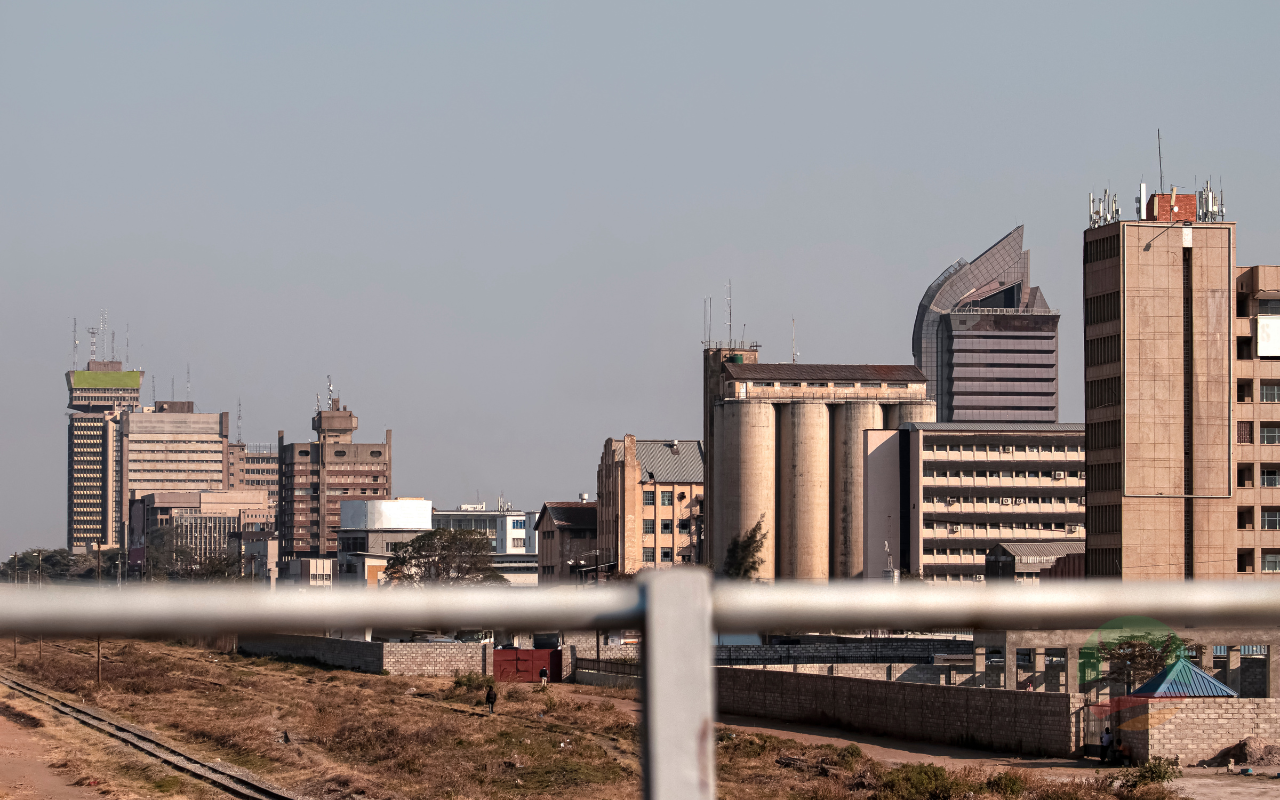
Photo: palesa / UnsplashUnsplashUnsplash License
LUSAKA, 4 JUNE 2026—Updated 8 Jul 2026
LUSAKA — Zambia has repatriated 40 nationals from South Africa after xenophobic violence forced families to flee, a move that represents Pretoria's deepening diplomatic crisis.
The Zambian Embassy in Pretoria facilitated the exercise beginning 23 May 2026, with returnees arriving safely in Zambia on 25 May, according to a statement by Ferdinand Simaanya, president of the Zambia Association in South Africa (ZASA). The repatriation follows weeks of escalating anti-foreigner violence that have prompted Ghana, Mozambique, Nigeria, and Malawi to launch their own evacuation operations — making this the broadest multi-country exit from South Africa since the 2008 xenophobic attacks.
The immediate trigger for the Zambian operation was a series of announcements by local community groups and the mayor of Estcourt in KwaZulu-Natal calling on foreign nationals to leave by the end of May. ZASA said the repatriation covered Zambians from Estcourt, Cape Town, Johannesburg, Pretoria, and surrounding areas. The association said it would continue to monitor developments and engage the embassy; efforts are underway to contact families in Zambia of nationals who remain in South Africa.
The Government of the Republic of Zambia, through the Zambian Embassy in Pretoria, successfully facilitated the repatriation of forty Zambian nationals from the Republic of South Africa to Zambia.
— Ferdinand Simaanya, president, <a href="https://www.facebook.com/ZambiaReports/posts/1430519209103727/">Zambia Association in South Africa</a>
Multi-country exodus
Zambia's 40 returnees are part of a wider pattern. Ghana chartered a flight carrying 297 citizens from OR Tambo International Airport on 27 May, with a second flight planned and roughly 1,500 Ghanaians registered for evacuation. Mozambique's council of ministers approved the repatriation of 1,000 nationals, with 545 already crossing the Ressano Garcia border post by bus on 3 June. The Mozambican government reported seven of its nationals had died — five from direct attacks and two in a road accident during the unrest. Nigeria's high commission began screening citizens on 4 June and projected 2,000 to 4,000 evacuees. Malawi announced voluntary repatriation by road but had not finalised logistics at the time of filing.
NatJoints response
South Africa's National Joint Operational and Intelligence Structure (NatJoints) issued what the Daily Maverick described as "the strongest rebuke yet" of xenophobic mobs at a press conference in George on 3 June. Acting National Commissioner of the South African Police Service (SAPS) Lt General Puleng Dimpane and NatJoints chairperson Lt General Tebello Mosikili outlined five operational priorities: enhanced rapid deployment, intelligence-led operations, targeted crime-combating, community engagement, and protection of critical infrastructure.
Violence is not activism. Intimidation is not community protection. Criminal conduct remains criminal conduct, regardless of the cause in whose name it is committed.
— Lt General Tebello Mosikili, NatJoints chairperson, <a href="https://www.dailymaverick.co.za/article/2026-06-03-violence-is-not-activism-natjoints-talks-tough-on-anti-foreigner-mobs-after-xenophobic-unrest/">press conference, George, 3 June 2026</a>
SAPS reported 166 arrests for public violence in the Free State and five in the Western Cape. Three people were killed in Mossel Bay over the weekend of 29 May — two Mozambican nationals and one South African — and dozens of homes were torched, displacing hundreds of families. The violence is linked to a movement led by Jacinta Ngobese-Zuma that set 30 June as a deadline for all undocumented foreigners to leave South Africa. The South African National Defence Force denied claims of military deployment. As Kwacha News reported in its earlier coverage of rising anti-migrant tensions across SADC, the crisis has strained regional diplomatic relations.
Countries evacuating nationals from South Africa: • Zambia — 40 repatriated (23–25 May) • Ghana — 297 on first charter flight; ~1,500 registered • Mozambique — 1,000 approved; 545 already crossed border; 7 nationals died • Nigeria — 2,000–4,000 projected • Malawi — voluntary repatriation announced
Background
South Africa has a long history of xenophobic violence against African migrants, with major episodes in 2008, 2015, and 2019. The current wave is distinct in its geographic spread — from KwaZulu-Natal to the Western Cape and Free State — and in the organised nature of the threats, with specific deadlines issued by named groups. The SADC Protocol on the Facilitation of Movement of Persons, signed in 2005, has never been fully ratified by enough member states to enter into force, leaving free movement in the region aspirational rather than enforceable. Kwacha News previously covered how Johannesburg's sinkhole crisis carries warnings for the Copperbelt — the same economic pressures that drive illegal mining in South Africa also fuel competition for informal work that anti-foreigner groups exploit.
What to watch
The 30 June deadline set by vigilante groups is the next flashpoint. SADC foreign ministers have not yet convened an emergency session, though pressure is mounting from affected governments. The Zambian government has not indicated whether it will expand the repatriation programme beyond the initial 40. Follow Kwacha News's Africa coverage for updates on regional migration and the SA crisis.
Sources
Zambia Association in South Africa: official statement, 3 June 2026. Xinhua: Zambia repatriation report. Daily Maverick: NatJoints press conference, 3 June 2026. Daily Maverick: countries repatriating citizens, 3 June 2026. In short, Zambia's repatriation represents both a humanitarian response and a diplomatic statement as the Southern African Development Community grapples with how to address xenophobia without fracturing regional unity.
Frequently Asked Questions
These are the questions readers have been asking about the repatriation and the broader xenophobic crisis. Short answers follow, drawn from ZASA, SAPS, and regional government statements.
What is driving the xenophobic violence in South Africa?
In short, the violence is driven by economic frustration, high unemployment, and organised vigilante groups that blame foreign nationals for competition over jobs and informal trade. Simply put, the 30 June deadline set by the March and March movement has created a countdown that is accelerating both threats and government responses. The key is that the violence is not spontaneous — specific groups are issuing deadlines and mobilising communities.
How does this affect Zambians in South Africa?
The Zambian Embassy in Pretoria facilitated the repatriation of 40 nationals who were directly affected. Research from ZASA shows families were forced to flee towns across KwaZulu-Natal, the Western Cape, and Gauteng. Data on the total number of Zambians in South Africa is not publicly available, but the embassy and ZASA are actively contacting families.
Why are multiple countries evacuating at once?
The 30 June deadline and the geographic spread of threats across multiple provinces have created a common sense of urgency. According to diplomatic sources, the simultaneous evacuations by Ghana, Mozambique, Nigeria, Malawi, and Zambia signal that African governments no longer view the violence as isolated incidents. The answer is that this is a regional crisis with coordinated responses.
Who is the March and March movement?
The movement is led by Jacinta Ngobese-Zuma and has set 30 June as a deadline for undocumented foreigners to leave South Africa. In other words, the group is operating outside the law — NatJoints stated explicitly that "no individual, movement, organisation or grouping has the authority to take the law into its own hands." Evidence from SAPS shows 166 arrests linked to the movement's activities.
What are the real risks for the SADC region?
Analysis of prior xenophobic episodes demonstrates three risks: retaliatory attacks on South African businesses in affected countries, a chilling effect on intra-African trade and migration, and long-term damage to South Africa's diplomatic standing as the region's largest economy. Evidence from 2008 and 2015 shows that each episode eroded trust in the SADC free-movement agenda.
More on Africa/World

TAZARA at 50: Zambia weighs two routes to the sea
As TAZARA turns 50, landlocked Zambia is weighing two rival routes for its copper: east to the Indian Ocean via a rebuilt TAZARA, or west to the Atlantic via the Lobito Corridor.

African leaders back trade insurer ATIDI after record year
African leaders endorsed ATIDI — the pan-African insurer Zambia belongs to — as a cornerstone of a new African-led financial architecture, as the body marked 25 years with record 2025 results and a call to recapitalise it to US$2 billion.
The Kwacha News briefing.
Business, markets and the Zambian economy — in your inbox.
