

Zambia vaccinates 3.8m children in June polio campaign
A second-round polio drive across six provinces responded to vaccine-derived poliovirus found in Lusaka wastewater, with no clinical paralysis cases recorded.
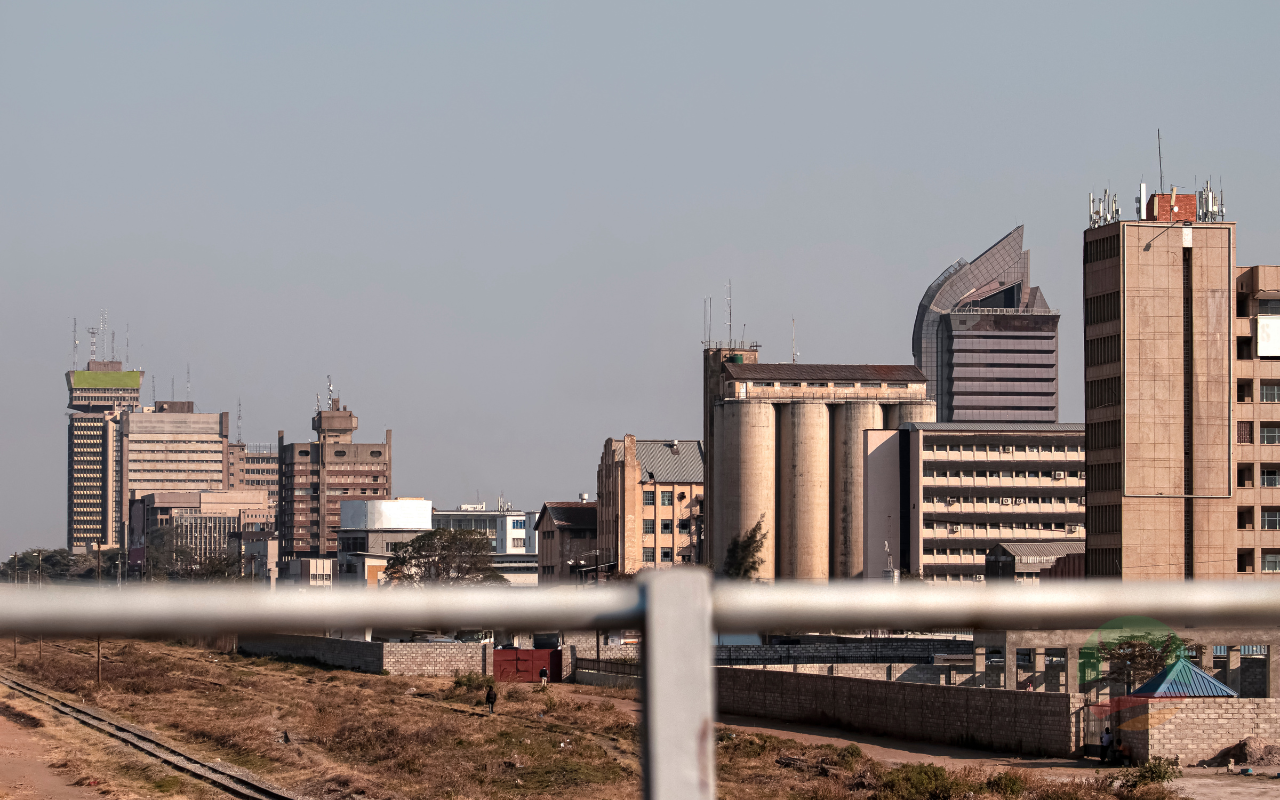
Photo: Michael AliUnsplashUnsplash License
LUSAKA, 21 JUNE 2026—Updated 8 Jul 2026
LUSAKA — Zambia’s second-round polio campaign is a four-day immunisation drive that vaccinated more than 3.8 million children under five across six provinces from 2 to 5 June 2026.
The campaign matters because it was a containment response, not a routine drive: the World Health Organization (WHO) said it followed the detection of circulating vaccine-derived poliovirus type 2 in a Lusaka environmental sample. Kwacha News’s continuing health coverage has tracked how Zambia’s public-health system handles outbreaks, from cholera to malaria.
The drive ran from 2 to 5 June 2026 and targeted more than 3.8 million (3.8m) children under the age of five, the WHO Regional Office for Africa said in a statement. A door-to-door immunisation campaign that vaccinates children at this scale — 3.8m in four days — covered six provinces: Lusaka, Southern, Eastern, Central, Western and Muchinga.
The campaign responded to circulating vaccine-derived poliovirus type 2, which the WHO said was detected in a Lusaka environmental — that is, wastewater — sample collected at the Manchinchi site in December 2025. No clinical cases of paralysis were linked to the detection, according to the WHO statement.
Vaccinators delivered oral polio vaccine door-to-door and through outreach points at markets, schools, churches and health facilities, the WHO said. The approach was designed to reach children wherever families gather, rather than relying on fixed clinics alone.
The polio drive sits alongside other recent Zambian disease-control efforts. Kwacha News has reported that Zambia’s malaria cases fell as deaths dropped 40 per cent, and that the country has been managing a prolonged cholera outbreak in its northern districts — both campaigns drawing on the same network of health facilities and community outreach used for the immunisation push.
The campaign brought together international partners alongside the Ministry of Health, the WHO said. Partners included the WHO, the United Nations Children’s Fund (UNICEF), Rotary International and the Global Polio Eradication Initiative. The same four partners underpin the global drive to end polio, and the WHO framed the Zambian round as part of that wider effort to reach every child under five.
High vaccination coverage is essential to stop the spread of poliovirus and to keep all children safe.
— Dr Clement Peter Lasuba, WHO Representative in Zambia, WHO-AFRO statement, 1 June 2026 — <a href="https://www.afro.who.int/countries/zambia/news/zambia-undertakes-second-round-polio-vaccination-campaign-protect-every-child-against-polio">read the statement</a>
Snapshot: Zambia ran the second round of a sub-national polio immunisation campaign from 2 to 5 June 2026, vaccinating more than 3.8 million children under five across Lusaka, Southern, Eastern, Central, Western and Muchinga provinces. The drive responded to circulating vaccine-derived poliovirus type 2 detected in a Lusaka wastewater sample at the Manchinchi site in December 2025, with no paralysis cases linked. Oral polio vaccine was delivered door-to-door and through markets, schools, churches and health facilities, with support from the WHO, UNICEF, Rotary International and the Global Polio Eradication Initiative.
Background
Vaccine-derived poliovirus arises in communities where immunisation coverage is too low to stop the weakened virus in oral vaccine from circulating and, over time, regaining the ability to cause paralysis. The detection of circulating vaccine-derived poliovirus type 2 in a Lusaka wastewater sample was therefore read as a signal that some children remained under-protected, even without a paralysis case to point to.
Environmental surveillance — testing sewage and wastewater for the virus — is a core tool of the Global Polio Eradication Initiative. The Manchinchi sample, collected in December 2025, gave health authorities early warning and triggered the multi-round vaccination response of which the 2 to 5 June drive was the second round, the WHO said.
A second round is standard practice in polio outbreak responses. The Global Polio Eradication Initiative recommends repeated immunisation rounds, days apart, so that children missed in the first pass — those travelling, sick or simply not at home — are reached in the next, the WHO said. The 2 to 5 June 2026 drive was the second such round in Zambia’s response to the December 2025 detection.
Reaching every child is the central challenge. The campaign deployed vaccinators door-to-door and stationed teams at markets, schools, churches and health facilities across the six provinces, the WHO said, so that the oral polio vaccine followed families to the places they already gather rather than waiting for them at a clinic.
What to watch
The immediate question is coverage: whether the campaign reached the more than 3.8 million children it targeted across the six provinces, and whether subsequent environmental samples from the Manchinchi site and other sites still show the virus. Those wastewater results are the clearest near-term signal of whether the outbreak has been contained.
The broader question is routine immunisation. The Ministry of Health and partners including the WHO, UNICEF and Rotary International will be watched on whether they can lift everyday vaccination coverage high enough that emergency door-to-door rounds are not needed to plug the gaps that let the virus circulate in the first place.
For Zambia, polio eradication remains the goal beyond a single emergency round. The country has no record of paralysis tied to the December 2025 detection, and sustaining that depends on coverage staying high enough — through both routine immunisation and campaigns like the June drive — to deny the virus the under-vaccinated pockets in which it spreads.
Frequently Asked Questions
These are the questions readers have been asking about Zambia’s June 2026 polio campaign. Short answers follow, drawn from the WHO Regional Office for Africa statement and the public record on the response.
What is the Zambia polio campaign?
In short, the campaign is a second-round, sub-national polio immunisation drive that ran from 2 to 5 June 2026. The answer, simply put, is that the Ministry of Health and partners vaccinated more than 3.8 million children under five across six provinces, according to the WHO. The key is that the drive was a containment response to virus found in Lusaka wastewater.
Why did Zambia run the polio campaign?
The campaign was launched after circulating vaccine-derived poliovirus type 2 was detected in a Lusaka environmental sample at the Manchinchi site in December 2025. Data from that wastewater surveillance, the WHO said, showed the virus was present even though no clinical case of paralysis had been linked, which is enough to trigger an emergency response.
How was the polio vaccine delivered?
Simply put, vaccinators went to the children. According to the WHO, oral polio vaccine was delivered door-to-door and through outreach at markets, schools, churches and health facilities across Lusaka, Southern, Eastern, Central, Western and Muchinga provinces, so that families did not have to travel to a fixed clinic.
Were there any polio paralysis cases in Zambia?
The answer is no: the WHO statement said no clinical cases of paralysis were linked to the December 2025 detection. Analysis of environmental samples — not sick children — revealed the virus, which is why the response leaned on surveillance data and high vaccination coverage to stop spread before paralysis occurred.
Who supported the Zambia polio campaign?
According to the WHO, the campaign was led by the Ministry of Health with support from international partners. The evidence on partners names the WHO, UNICEF, Rotary International and the Global Polio Eradication Initiative, the same coalition behind global polio eradication efforts.
Sources
Primary source: WHO Regional Office for Africa — Zambia undertakes second-round polio vaccination campaign. Related Kwacha News reporting: Zambia’s malaria cases fall as deaths drop 40% and the cholera outbreak response in the north.
More on Health

Ebola deaths pass 2,000 as WHO warns of deadliest outbreak
More than 2,000 people have died since the Ebola outbreak was declared on 15 May, and the WHO says it is on track to be the deadliest on record. Zambia's exposure runs through its northern border.

Zambia restarts radiotherapy after five years offline
Radiotherapy has resumed at Lusaka's Cancer Diseases Hospital after a US$31 million upgrade funded entirely from domestic resources, ending a five-year gap in advanced cancer treatment.
The Kwacha News briefing.
Business, markets and the Zambian economy — in your inbox.

