

Japan-Zambia investment treaty takes effect 30 July
Zambia's first bilateral investment treaty with Japan gives legal cover to Japanese capital chasing the copper-cobalt boom
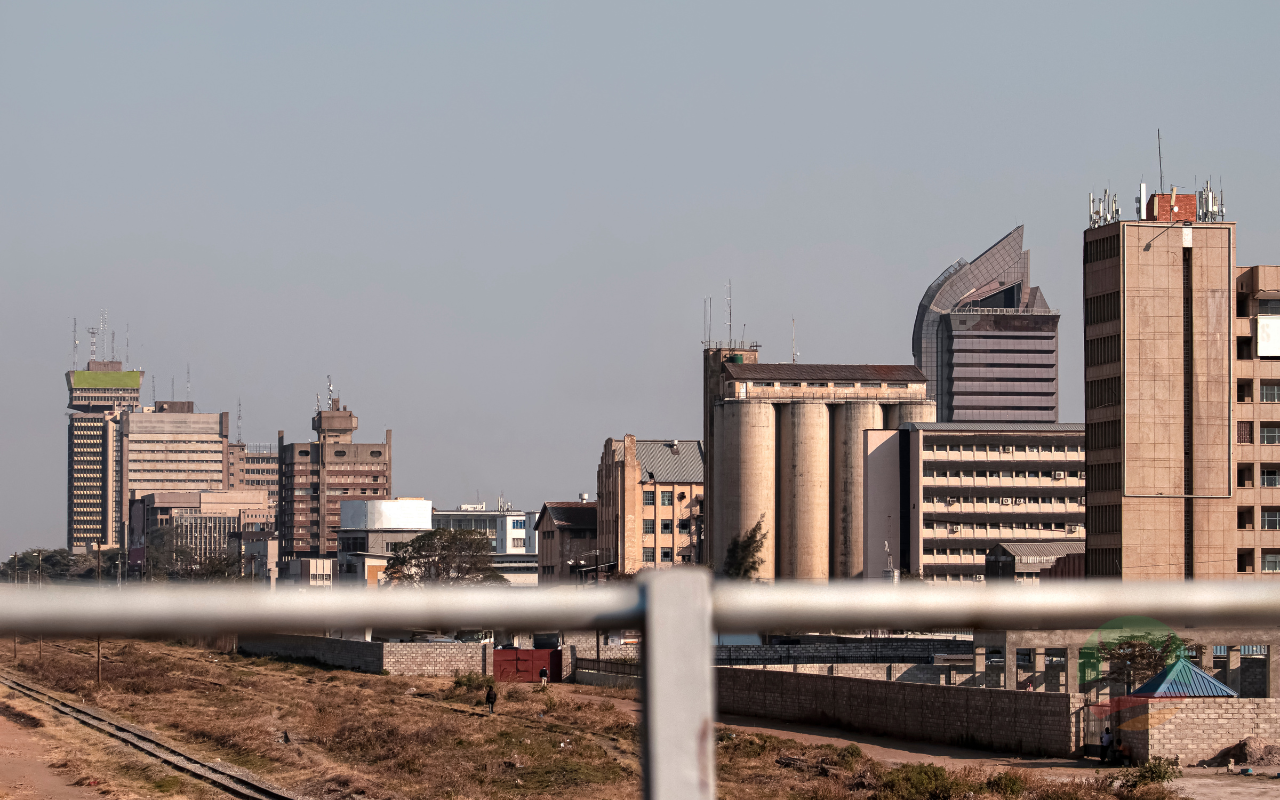
Photo: Mark ThomasPexelsPexels License
LUSAKA, 2 JULY 2026—Updated 2 Jul 2026
LUSAKA — Zambia's first bilateral investment treaty with Japan is set to enter into force on 30 July 2026, extending treaty-level protection to Japanese capital in Zambia's copper and cobalt sectors.
The Japan-Zambia Investment Agreement gives Japanese investors a legal floor of guarantees on entry, treatment and compensation. The agreement lands as Lusaka courts foreign capital to help triple copper output by 2031. For Japan, the treaty is a de-risking step toward the minerals its industries increasingly need.
The key facts
The Japan-Zambia Investment Agreement was signed in Tokyo on 6 February 2025 and will enter into force on 30 July 2026. Both governments exchanged notifications of completed internal procedures on 30 June 2026 in Lusaka. The treaty covers national treatment, most-favoured-nation treatment, fair and equitable treatment, and investor-state dispute settlement.
The agreement is formally titled the Agreement between Japan and the Republic of Zambia for the Promotion and Protection of Investment, according to a Ministry of Foreign Affairs of Japan signing release, 6 February 2025. The Ministry of Foreign Affairs of Japan (MOFA) said the treaty is designed to improve the investment environment and deepen economic ties between the two countries.
The core provisions read like a standard bilateral investment treaty. The agreement grants national treatment after establishment and most-favoured-nation treatment both before and after establishment. The agreement also sets fair and equitable treatment, prohibits performance requirements, fixes conditions for expropriation and compensation, and guarantees freedom of transfers.
Crucially, the treaty establishes investor-state dispute settlement (ISDS). Under ISDS, a Japanese investor can take a dispute with Zambia to international arbitration rather than rely only on domestic courts. That mechanism is the feature foreign capital watches most closely, because the copper-cobalt frame that drives Japanese interest in Zambia sits inside a wider scramble for critical minerals across Africa.
MOFA said the treaty responds directly to demand for Zambia's minerals. According to MOFA, Zambia's copper and cobalt are drawing strong interest from Japanese companies, and the agreement is expected to improve conditions for that investment. Zambia, for its part, has framed the treaty as evidence that the country is now a credible destination for long-horizon capital.
The entry into force of this Agreement will contribute to promotion of the bilateral investments as well as further development of economic relations between the two countries.
— Ministry of Foreign Affairs of Japan, <a href="https://www.mofa.go.jp/press/release/pressite_000001_02477.html">entry-into-force press release, 1 July 2026</a>
Why the Japan-Zambia treaty matters
For Zambia, the treaty is a signal as much as a legal instrument. A bilateral investment treaty tells Japanese boardrooms that assets in Zambia carry treaty-backed guarantees against arbitrary seizure and discriminatory treatment. That signal matters most in mining, where projects run for decades and sink capital long before returns arrive.
For Japan, the treaty secures a legal channel to resources its industries need. Japan imports cobalt, copper and precious stones from Zambia, inputs tied to batteries, wiring and advanced manufacturing. By locking in protections now, Japan positions its firms to compete for Zambian mining stakes on firmer ground. The move also fits Zambia's push to present itself as a stable home for capital during a period of fiscal repair.
Background
The agreement was signed on 6 February 2025 in Tokyo by Japan's Ambassador to Zambia, Takeuchi Kazuyuki, and Zambia's Minister of Commerce, Trade and Industry, Chipoka Mulenga. The signing coincided with President Hakainde Hichilema's official visit to Japan. Both governments then exchanged notifications of completed internal procedures on 30 June 2026 in Lusaka, with Japan's step requiring National Diet approval.
Diplomatic ties between the two states run deep. Japan and Zambia have maintained relations since October 1964, and Japan's cumulative cooperation to Zambia through the 2023 financial year includes loans of ¥46,475 million, grants of ¥124,479 million and technical cooperation of about ¥72,457 million. On trade, MOFA figures for 2024 put Japan's exports to Zambia at ¥14,780 million, or about ¥14.8 billion, covering vehicles, car parts, tyres and chemicals, against imports from Zambia of ¥1,530 million led by cobalt, copper, precious stones and tobacco.
The treaty also arrives as Zambia rebuilds investor trust after a wrenching fiscal turnaround, the reform record MOFA cites as improving the climate. The country's copper-led export machine is central to that story: Zambia's 2024 copper exports were about US$7.59 billion, and Lusaka has set a target of tripling copper output by 2031. The de-risking case sits alongside Zambia's broader recovery, tracked in Kwacha News's reporting on the fiscal turnaround and its wider business and economy coverage.
Momentum on the ground is already visible. A Zambia-Japan Business Forum in Lusaka drew 21 Japanese investors alongside JETRO, JICA, JOGMEC, the Embassy of Japan, the Ministry of Commerce, Trade and Industry, ZACCI and the Zambia Development Agency. At that forum, the Zambia Development Agency reported that Minister Chipoka Mulenga pointed to the treaty as a tool to lift investor confidence.
highlighted the recently signed Bilateral Investment Treaty (BIT) as a key instrument to boost investor confidence and open new opportunities for private-sector-driven growth
— Zambia Development Agency, on Minister Chipoka Mulenga, <a href="https://zda.org.zm/president-hichilemas-japan-visit-deepens-zambia-japan-trade-and-investment-ties/">Zambia-Japan Business Forum report</a>
What to watch
The date to mark is 30 July 2026, when the Japan-Zambia Investment Agreement will enter into force, the thirtieth day after the later notification. From that point the treaty's protections apply to qualifying Japanese investments in Zambia and to Zambian investments in Japan. The test is whether treaty cover converts the interest shown by those 21 Japanese investors into signed mining and manufacturing deals, set against Zambia's push to triple copper output and its growth trajectory shown in first-quarter data on Zambia's 7.7 percent GDP growth.
Sources
Primary sources for this report: the Ministry of Foreign Affairs of Japan entry-into-force press release, 1 July 2026; the Ministry of Foreign Affairs of Japan signing release, 6 February 2025; the Ministry of Foreign Affairs of Japan basic-data page on Zambia; and the Zambia Development Agency report on the Japan visit and Business Forum.
Frequently Asked Questions
Common questions about the Japan-Zambia Investment Agreement, answered from primary MOFA and Zambia Development Agency material.
What is the Japan-Zambia Investment Agreement?
In short, the Japan-Zambia Investment Agreement is a bilateral investment treaty, formally titled the Agreement between Japan and the Republic of Zambia for the Promotion and Protection of Investment. According to the Ministry of Foreign Affairs of Japan, the treaty was signed in Tokyo on 6 February 2025 and will enter into force on 30 July 2026, setting legal standards for how each state treats investors from the other.
How does the treaty protect Japanese investors in Zambia?
The key is a set of standard investment-treaty protections. MOFA data shows the agreement grants national treatment after establishment, most-favoured-nation treatment before and after establishment, fair and equitable treatment, freedom of transfers, and defined conditions for expropriation and compensation. The treaty also creates investor-state dispute settlement, letting a Japanese investor take a dispute with Zambia to international arbitration rather than rely solely on domestic courts.
Why is copper central to the Japan-Zambia treaty?
The answer is that copper and cobalt drive Japanese interest in Zambia. According to MOFA, Zambia's mineral resources are drawing strong interest from Japanese companies, and analysis of the trade data shows cobalt and copper already lead Zambia's exports to Japan. Zambia's 2024 copper exports reached about US$7.59 billion, and Lusaka aims to triple copper output by 2031, so the treaty is built to de-risk that mining push for foreign capital.
Who signed the Japan-Zambia Investment Agreement?
In other words, the treaty was signed by senior officials from both governments. Records from MOFA show Japan's Ambassador to Zambia, Takeuchi Kazuyuki, and Zambia's Minister of Commerce, Trade and Industry, Chipoka Mulenga, signed the agreement in Tokyo on 6 February 2025, during President Hakainde Hichilema's official visit to Japan. Both governments then exchanged notifications of completed internal procedures on 30 June 2026 in Lusaka.
What are the next steps once the treaty takes effect?
Analysis of the treaty timetable shows the agreement will enter into force on 30 July 2026, the thirtieth day after the later notification. Evidence from the Zambia Development Agency indicates momentum is already building, with a Zambia-Japan Business Forum in Lusaka drawing 21 Japanese investors. Once in force, the treaty applies its protections to qualifying Japanese investments in Zambia and to Zambian investments in Japan.
More on Business & Economy

Guinea bans raw gold exports as Africa pushes local refining
Guinea has banned raw gold exports and now demands local refining, African Business reported. For Zambia, whose copper still leaves largely unprocessed, the move sharpens a long-running question about where the value is captured.

Zambia cuts fuel prices again as shop prices stay high
Zambia's Energy Regulation Board cut pump prices for a third straight month in August 2026, but transport fares and food prices remain high and non-food inflation is rising.
The Kwacha News briefing.
Business, markets and the Zambian economy — in your inbox.

