

Africa’s critical-minerals rush drives mining abuses
A new tracker finds human-rights abuses linked to the mining of copper, cobalt and other transition minerals are rising sharply across Africa — a governance test for a continent, and a Zambia, betting on a responsible critical-minerals boom.
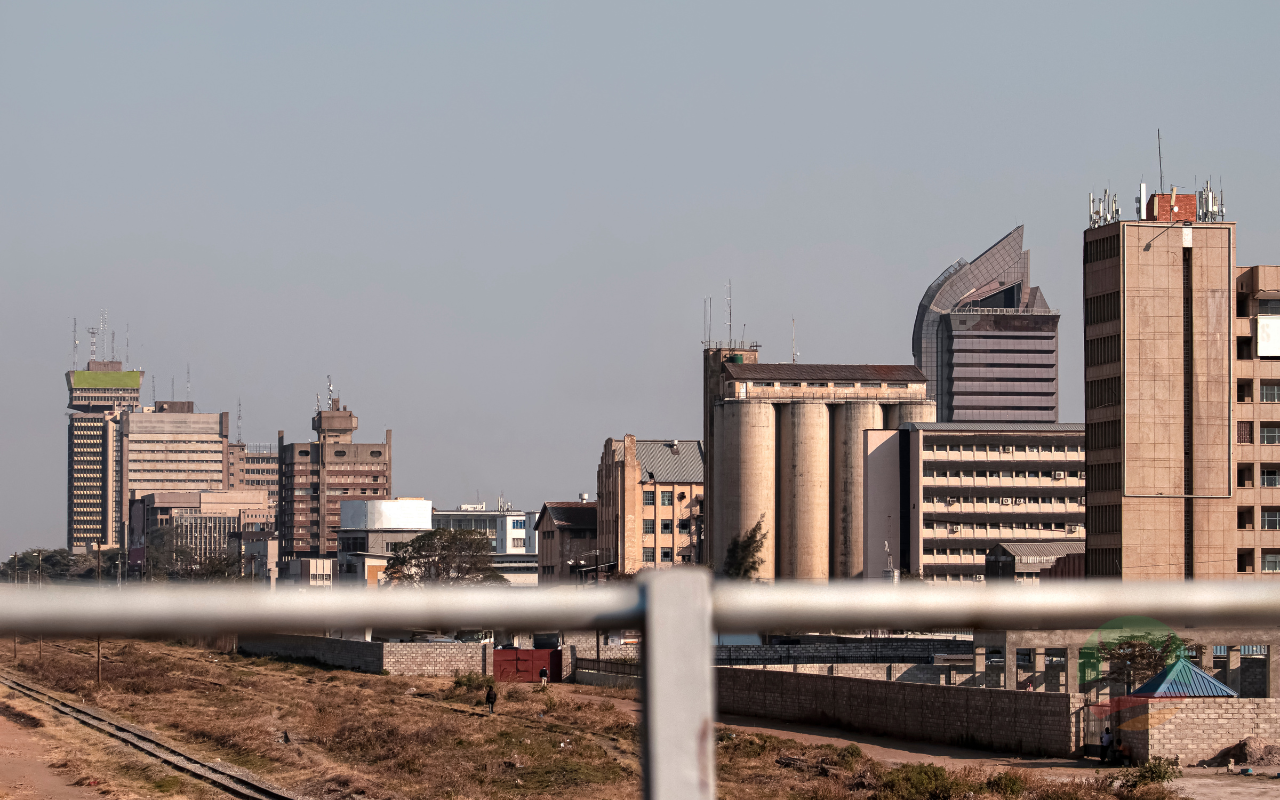
Photo: Markus SpiskeUnsplashUnsplash License
LUSAKA, 27 JUNE 2026—Updated 27 Jun 2026
LUSAKA — The race to mine the minerals that power the clean-energy transition is driving a sharp rise in human-rights abuses linked to mining operations across Africa, a new report has found.
The finding lands at a delicate moment for Zambia, which is staking its economic future on a copper-output ramp-up and on positioning itself as a responsible supplier of the metals the world needs to decarbonise. As part of Kwacha News’s business and economy coverage, the report’s warning is, in effect, a Zambian question: the governance and rights standards that surround Africa’s minerals rush will shape whether the continent’s — and Zambia’s — transition windfall is judged clean or dirty.
Abuses linked to the mining of so-called transition minerals — the copper, cobalt, lithium and manganese essential to batteries, grids and electric vehicles — are rising worldwide, with Africa among the most affected regions, Daily Maverick reported, citing the annual Transition Minerals Tracker compiled by the London-based Business & Human Rights Resource Centre.
The tracker recorded 329 allegations of abuse worldwide in 2025, a 73 per cent increase on the previous year, according to the report. Africa accounted for 100 of those allegations, with ten large international mining companies associated with about half of the cases recorded on the continent, the report said.
The alleged abuses range from the violent displacement of local communities to the use of military and law-enforcement personnel for mine security, the report said. In the most severe cases documented in eastern Democratic Republic of the Congo, the tracker linked the scramble for minerals to killings, torture and sexual violence tied to armed groups, according to Daily Maverick.
The report named copper in Zambia, cobalt in the Democratic Republic of the Congo — which produces roughly three-quarters of the world’s supply — and gold from informal mining in South Africa among the flashpoints, the report said. Zambia’s own copper ambitions sit squarely inside that frame, a point underscored by the scale of new investment such as KoBold Metals’ Mingomba project, which Kwacha News covered when it broke ground on a roughly $2bn Copperbelt copper development.
Communities affected by mining concessions were often given little say, the report indicated, with agreements “negotiated with little consultation with rightsholders and communities”, said Joseph Kibugu, Africa regional manager at the Business & Human Rights Resource Centre, as quoted by Daily Maverick.
Africa’s transition mineral boom is increasingly marred by environmental and human rights abuses.
— Anneke Meerkotter, Executive Director, Southern African Litigation Centre — as quoted by <a href="https://www.dailymaverick.co.za/article/2026-06-26-clean-energy-dirty-mining-rights-abuses-rise-across-africa/">Daily Maverick</a>
Snapshot: The Business & Human Rights Resource Centre’s Transition Minerals Tracker logged 329 abuse allegations worldwide in 2025, up 73 per cent on 2024, with Africa accounting for 100 of them — about half linked to ten large international mining firms. The minerals in focus are the copper, cobalt, lithium and manganese that the clean-energy transition depends on; the named African flashpoints include copper in Zambia, cobalt in the DRC and informally mined gold in South Africa. For a country building its future on a copper ramp-up, the governance standards around that boom are a direct national-interest question.
Background
Transition minerals — sometimes called critical minerals — are the raw materials whose demand is being driven by the shift away from fossil fuels. Copper carries electricity through grids, motors and chargers; cobalt, lithium, nickel and manganese go into the rechargeable batteries that store it. As the world electrifies transport and power, demand for these metals is forecast to climb steeply, and the mines that supply them are concentrated in a handful of regions, several of them in Africa.
That concentration is why the continent figures so heavily in the tracker. The Democratic Republic of the Congo dominates global cobalt supply, southern Africa holds some of the richest copper deposits, and the rush to lock in volumes has, the report said, outpaced the consultation and oversight that ought to accompany it. The result, as the Business & Human Rights Resource Centre frames it, is a clean-energy promise shadowed by a rising tally of harms on the ground.
The pattern is not confined to extraction. The wider energy build-out that depends on these minerals is itself expanding fast across the region, from generation to the vehicles that run on it — Kwacha News has reported on efforts to scale electric-vehicle battery-swapping infrastructure across African markets, a downstream demand signal that ultimately pulls more copper, cobalt and lithium out of the ground.
What it means for Zambia
Zambia is Africa’s second-largest copper producer and has built its economic strategy around lifting output sharply over the coming decade. The government has courted major foreign capital into the Copperbelt and North-Western Province, and large new developments — KoBold Metals’ Mingomba project among them — are central to the ambition of roughly tripling annual copper production.
That makes the tracker’s findings more than an abstract continental concern. Zambia is competing not only on volume but on reputation: a pitch to battery-makers and Western buyers that its copper can be sourced responsibly, with cleaner environmental and labour credentials than rival supply chains. A rising tide of abuse allegations across African mining — even where the specific cases lie elsewhere — raises the bar Zambia must clear to make that case credibly.
The broader economy is wired to the same metal. Copper earnings underwrite the kwacha, government revenue and the financing of national infrastructure; Kwacha News has reported on the financing push behind new generation capacity that a growing mining sector will need. Governance standards around how that copper is dug, and how host communities are treated, therefore feed directly into the durability of the whole strategy.
What to watch
The first thing to watch is disclosure: whether the major companies named in connection with African cases respond to the tracker’s findings and what remediation, if any, follows. The report points to a small group of large international firms behind much of the recorded harm, and how they answer will shape the credibility of the sector’s responsible-sourcing claims.
The second is policy. As demand for transition minerals climbs, the question is whether African governments — Zambia’s included — tighten the consultation, environmental and community-protection rules that the report says have lagged the investment rush, or whether the pressure to secure volumes wins out. The balance struck will determine whether the continent’s minerals boom is remembered as a development engine or a cautionary tale.
Frequently Asked Questions
These are the questions readers are asking about the report and what it means for Zambia’s copper-led strategy. Short answers follow, drawn from the report and the public record.
What is the report that found mining abuses are rising in Africa?
In short, it is the annual Transition Minerals Tracker compiled by the London-based Business & Human Rights Resource Centre. As reported by Daily Maverick, the tracker’s analysis found 329 abuse allegations worldwide in 2025, with Africa accounting for 100 of them.
How does the clean-energy transition drive demand for these minerals?
Simply put, decarbonising power and transport runs on metal. Evidence in the report shows that copper carries electricity and that cobalt, lithium and manganese go into rechargeable batteries, so as the world electrifies, demand for these transition minerals climbs and the mines that supply them come under greater pressure.
Why is this a Zambian concern when many of the cases are elsewhere?
The key is reputation and revenue. Data and the public record show Zambia is staking its future on a sharp copper-output ramp-up and on being seen as a responsible supplier, so a rising tally of abuse allegations across African mining raises the standard the country must meet to make that case credibly.
What are the specific abuses the report documents?
The answer is a range that runs from displacement to violence. The report reveals allegations including the violent displacement of communities and the use of military and law-enforcement personnel for mine security, and, in the most severe cases in eastern Democratic Republic of the Congo, killings, torture and sexual violence linked to armed groups, according to Daily Maverick.
Which minerals and countries does the report single out?
In other words, the flashpoints are concrete. Analysis in the report names copper in Zambia, cobalt in the Democratic Republic of the Congo — which produces roughly three-quarters of global supply — and informally mined gold in South Africa among the most affected, the report found.
Sources
Report: the annual Transition Minerals Tracker compiled by the Business & Human Rights Resource Centre, as carried by Daily Maverick — “Clean energy, dirty mining: rights abuses rise across Africa”.
For Zambian readers, the report is best read not as an indictment but as a benchmark. The country is asking the world to trust its copper, and trust in mineral supply chains is increasingly built on how host communities are treated, not only on tonnes shipped. If Zambia’s copper boom is to fund schools, clinics and the kwacha’s stability for a generation, the governance around it — consultation with communities, environmental safeguards and credible oversight — has to keep pace with the investment. The tracker is a reminder that, across the continent, that balance is not yet being struck, and that Zambia has both the most to gain from getting it right and the most to lose from getting it wrong.
More on Business & Economy

Guinea bans raw gold exports as Africa pushes local refining
Guinea has banned raw gold exports and now demands local refining, African Business reported. For Zambia, whose copper still leaves largely unprocessed, the move sharpens a long-running question about where the value is captured.

Zambia cuts fuel prices again as shop prices stay high
Zambia's Energy Regulation Board cut pump prices for a third straight month in August 2026, but transport fares and food prices remain high and non-food inflation is rising.
The Kwacha News briefing.
Business, markets and the Zambian economy — in your inbox.

