

Zambia's economy grows 7.7% in first quarter
A recovered harvest and a stronger kwacha drive the fastest first-quarter growth in years, official figures show.
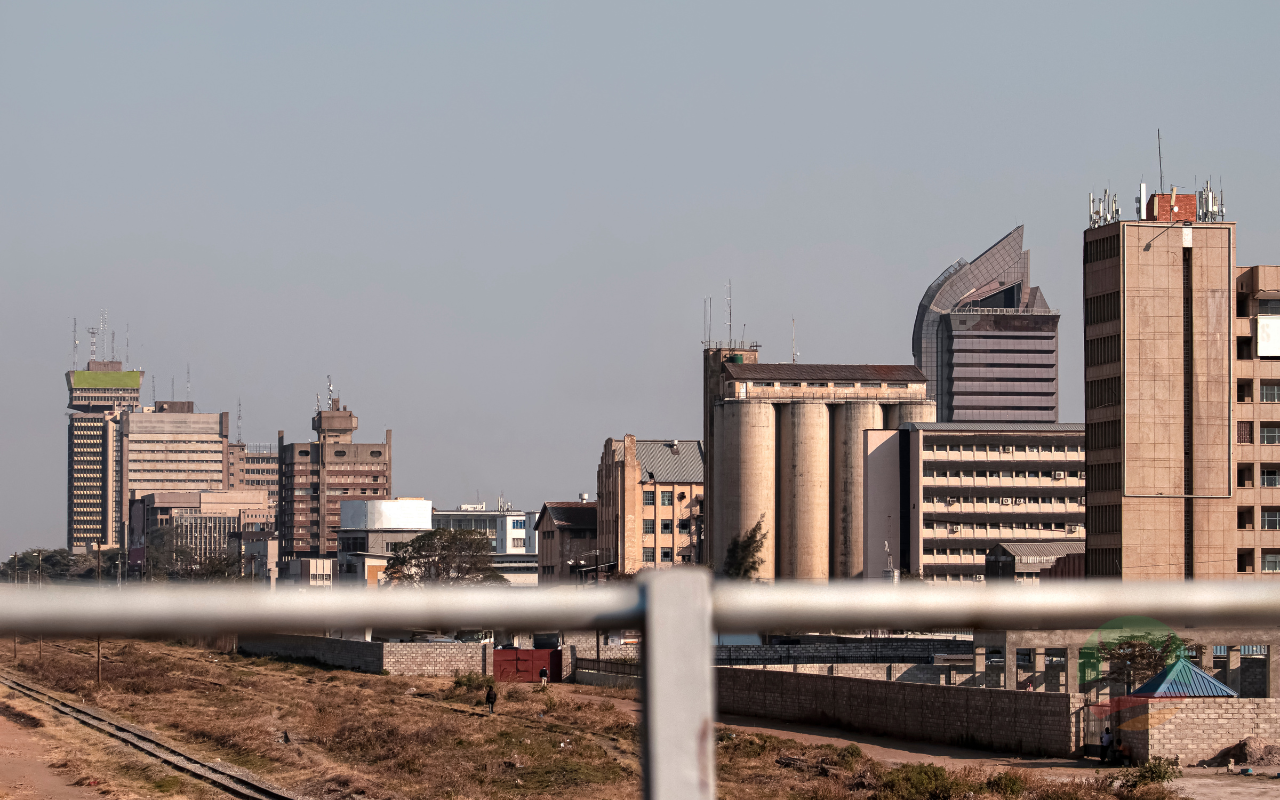
Photo: Dmitrii ZhodzishskiiUnsplashUnsplash License
LUSAKA, 26 JUNE 2026—Updated 26 Jun 2026
LUSAKA — Zambia's economy is growing again at pace, with gross domestic product up 7.7% year-on-year in the first quarter of 2026, the Zambia Statistics Agency said.
The figure, released on 25 June 2026, marks a sharp acceleration from the 4.5% recorded in the first quarter of 2025 — a jump of 3.2 percentage points. When an economy grows that much faster in a single year, the change rarely comes from one place alone. For a country that watched a punishing drought stall output two years ago, the rebound signals that recovery has taken hold across farms, factories and the wider service economy.
Agriculture, forestry and fishing led the expansion, surging 21.4% as a recovered harvest reversed the drought-hit numbers of 2024. According to the Zambia Statistics Agency, information and communication grew 11.0%, transportation and storage rose 9.5%, and accommodation and food service climbed 9.1%.
The data shows the upturn was broad but uneven. Water supply contracted 5.0%, administrative and support services fell 8.9%, and professional, scientific and technical activities slipped 0.2%. The agency's release frames agriculture's recovery as the single biggest driver of the headline number.
Stronger growth lands alongside other signs of stabilisation. The reading follows reporting on Zambia's debt falling to 94% of GDP and arrives in the same week as inflation easing to 6.5% in June. The Zambian kwacha (ZMW) has also appreciated about 20% across 2026, easing the cost of imported fuel and food.
Analysis of the quarterly series shows agriculture's swing is the clearest evidence of how weather shapes Zambia's output. The 2024 drought cut hydropower and crop yields together; the 2026 harvest has restored both the farm economy and the rural incomes that ride on it. With more grain to mill, move and sell, the gains in agriculture spill into transport, retail and food service rather than staying on the farm.
The 11.0% rise in information and communication points to a second engine that does not depend on the rains. Mobile data, financial-technology services and the wider digital economy have expanded steadily as connectivity reaches more of the country. The Zambia Statistics Agency groups that activity separately from agriculture, and the data shows it growing through the drought years and on into the recovery.
Transportation and storage, up 9.5%, and accommodation and food service, up 9.1%, round out the strongest performers. Both sectors lean on movement and trade — the same flows that a stronger Zambian kwacha (ZMW) and steadier prices tend to encourage. The agency's figures show services, not just commodities, carrying a meaningful share of the quarter's growth.
Not every part of the economy shared in the upturn. Water supply contracted 5.0% and administrative and support services fell 8.9%, the two sharpest declines in the release. Professional, scientific and technical activities edged down 0.2%. The agency did not attribute single causes to each fall, and analysis of one quarter cannot separate a genuine slowdown from ordinary volatility in smaller sectors.
The headline rate also matters for the public finances. Faster growth widens the tax base and lifts the denominator in debt-to-output ratios, two reasons a strong quarter eases pressure on the budget. The first-quarter data does not settle the question of whether the recovery is durable, but it gives the government a more favourable backdrop than the country has seen since the drought.
Comparisons with the region put the figure in context. A 7.7% rate sits well above the growth most sub-Saharan economies recorded in the same period, according to World Bank data on the region. For Zambia, the reading restores a pace of expansion the country last sustained before the drought, and it does so on the back of a recovered harvest rather than a single commodity windfall.
Real gross domestic product grew by 7.7% in the first quarter of 2026, compared with 4.5% in the same quarter of 2025, driven mainly by agriculture, forestry and fishing.
— Zambia Statistics Agency, <a href="https://www.zamstats.gov.zm/">quarterly GDP release, 25 June 2026</a>
The 7.7% reading is a year-on-year measure: output in the first quarter of 2026 against the same three months of 2025. Quarterly GDP estimates are provisional and the Zambia Statistics Agency revises them as fuller administrative data arrives, so the final figure may move modestly in either direction.
Background
Zambia's growth had cooled sharply in 2024, when a severe drought drained the dams that supply most of the country's electricity and shrank the maize harvest. Power rationing followed, factories ran short hours, and the farm sector — which employs most working Zambians — contracted. The 4.5% first-quarter reading in 2025 reflected an economy still climbing out of that hole.
The latest numbers, alongside the K3.5 billion April trade surplus, point to a firmer footing. World Bank data has long tied Zambia's fortunes to copper prices and rainfall; the 2026 first-quarter figures show both the harvest and the wider services economy pulling the same direction for the first time in three years.
Zambia's economy grows fastest when copper earnings and the farm cycle align, and the 2026 picture leans heavily on agriculture rather than mining. That makes the recovery real but weather-dependent. Economists watching the country have long argued that durable growth needs the digital, transport and manufacturing sectors to take more of the load — a shift the latest data hints at but does not yet confirm.
What to watch
The test now is whether growth holds once the harvest effect fades. Second-quarter data will reveal if services and communication can carry momentum, and whether the contractions in water supply and administrative services deepen or reverse. A revision to the provisional 7.7% figure, a softer copper price, or a poorer 2026–27 rainy season would each temper the outlook. Readers can follow the numbers through Kwacha News business and economy coverage.
Frequently Asked Questions
What is Zambia's GDP growth rate for the first quarter of 2026?
In short, Zambia's gross domestic product grew 7.7% year-on-year in the first quarter of 2026, according to the Zambia Statistics Agency. The data shows an acceleration of 3.2 percentage points from the 4.5% recorded in the same quarter of 2025.
What are the sectors that drove the growth?
Agriculture, forestry and fishing led with a 21.4% expansion, the agency's release shows. Information and communication grew 11.0%, transportation and storage rose 9.5%, and accommodation and food service added 9.1%. Against those gains, water supply fell 5.0% and administrative and support services dropped 8.9%, according to the Zambia Statistics Agency.
Why is agriculture central to the rebound?
The key is the weather. Research and official data show the 2024 drought cut crop yields and hydropower together; the 2026 harvest recovered, and that single 21.4% swing in farm output reveals why the headline number jumped so far in one year.
How does this connect to inflation and the kwacha?
In other words, the gains reinforce each other. Inflation eased to 6.5% in June and the Zambian kwacha (ZMW) appreciated about 20% across 2026, according to official reporting — a stronger currency lowers import costs, which in turn helps hold prices down. Steadier prices and a firmer kwacha support the services growth that the quarterly data shows, so the recovery is broader than the farm rebound alone.
Who is the source of these figures?
Simply put, the figures come from the Zambia Statistics Agency, the country's official statistics body, which released the quarterly estimates on 25 June 2026. The agency revises provisional quarterly data as fuller records arrive, so the 7.7% reading may shift modestly.
Sources
Primary and reference sources: Zambia Statistics Agency; Xinhua on Q1 GDP; World Bank Zambia.
More on Business & Economy

Guinea bans raw gold exports as Africa pushes local refining
Guinea has banned raw gold exports and now demands local refining, African Business reported. For Zambia, whose copper still leaves largely unprocessed, the move sharpens a long-running question about where the value is captured.

Zambia cuts fuel prices again as shop prices stay high
Zambia's Energy Regulation Board cut pump prices for a third straight month in August 2026, but transport fares and food prices remain high and non-food inflation is rising.
The Kwacha News briefing.
Business, markets and the Zambian economy — in your inbox.

