

Zambia launches $1.36bn buyback of 2053 Eurobond
A cash tender offer part-financed by a $600m African Development Bank loan — the first big debt move since the country left default.
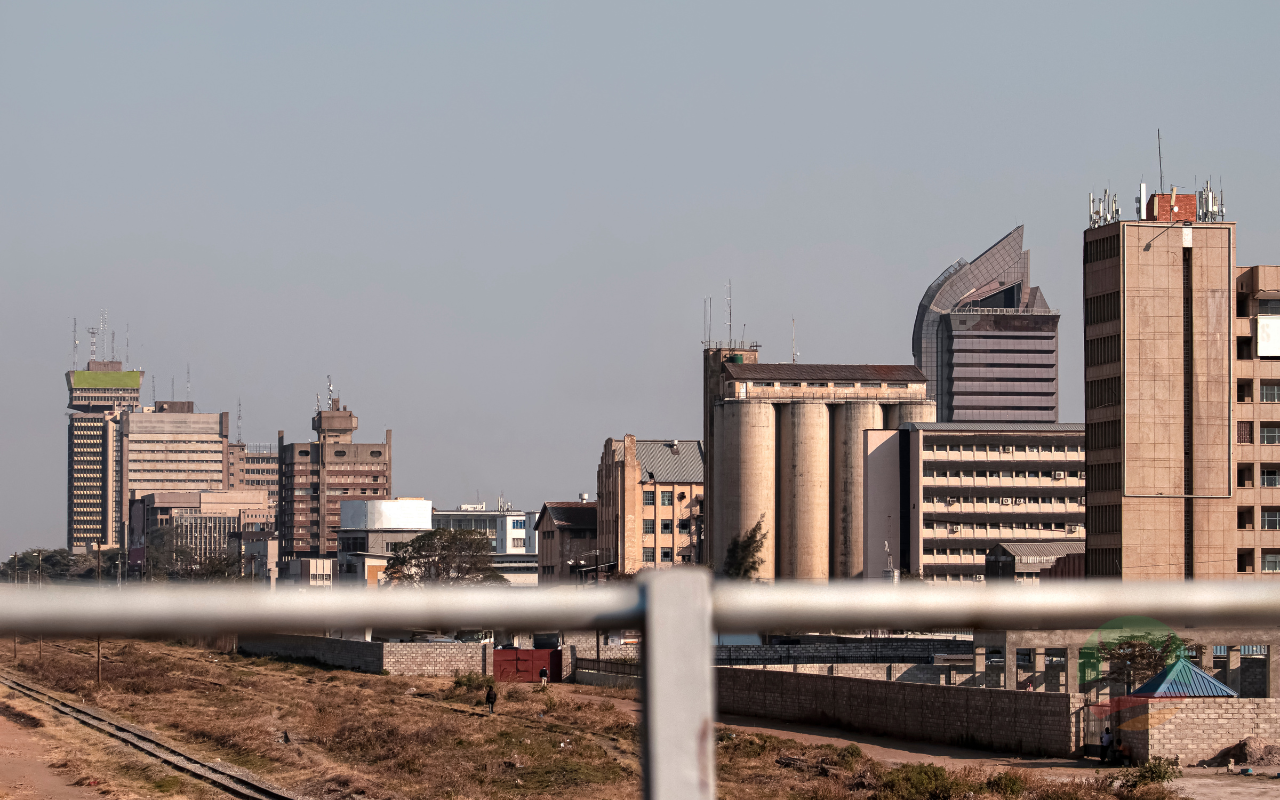
Photo: Unknown authorUnknown authorwikipediaPublic domain
LUSAKA, 1 JUNE 2026—Updated 8 Jul 2026
LUSAKA — Zambia is buying back its $1.36bn Eurobond due in 2053, launching a cash tender offer the Ministry of Finance says will streamline a debt stock it rebuilt only last year.
The buyback launches as the first big liability-management exercise since Zambia exited default in 2024, and it doubles as an energy play: the $600 million African Development Bank loan behind it is tied to a 15-year plan to rebuild the national electricity grid.
The Ministry of Finance and National Planning said in Lusaka on 29 May that the government had opened a cash tender offer for its US$1,364,725,564 Fixed Rate Step-Up Amortising Notes due 2053 — the single instrument created when Zambia restructured more than $3 billion of defaulted Eurobonds in 2024.
Holders who tender by 5 June are offered $780 for every $1,000 of principal, and $740 for those who come in later, according to the offer terms reported by Bloomberg. The notes rose to around 78 cents on the dollar after the announcement, ranking among the best-performing emerging-market sovereign bonds that day.
It is a marked turn for a borrower that defaulted in 2020 and spent four years in restructuring. Kwacha News has tracked that long road, from the bond-market signals that worried Zambia's lenders to the Moody's upgrade of South Africa that reset the regional risk picture.
The debt-for-energy swap
The financing is what makes the deal unusual. The Office of the Secretary to the Treasury said the repurchase is funded by a $600 million concessional loan from the African Development Bank, supplemented by the government's own resources. The bank's board approved the operation.
A condition of that support is a 15-year National Grid Resilience Program, which the Ministry of Finance said will invest in the electricity distribution network to make power more reliable and affordable. The programme is to be coordinated by GreenCo Power Services and run by a new entity with a private-sector-led board sitting alongside the government.
The African Development Bank has leaned further into Zambia this year, as Kwacha News reported from its annual meetings in Brazzaville. Tying a debt repurchase to a power-sector overhaul lets Lusaka cut its bond stock and address the load-shedding that has throttled mining and manufacturing in the same move.
The deal in numbers — $1.36bn: face value of the 2053 Eurobond. $780: offered per $1,000 tendered by 5 June. $600m: African Development Bank concessional loan behind it. 15 years: length of the National Grid Resilience Program. 2024: the year the bond was created in Zambia's debt restructuring.
The transactions will allow the Republic to streamline its debt stock and proactively manage its overall debt maturity profile.
— Ministry of Finance and National Planning, <a href="https://www.cnbcafrica.com/2026/zambia-seeks-to-buy-back-2053-bond-partly-with-600-million-afdb-loan">statement on the 2053 bond tender, 29 May 2026</a>
Background
Zambia became the first African country to default in the COVID-19 era when it missed a Eurobond coupon in November 2020. The restructuring that followed, under the G20 Common Framework, dragged on until 2024 and reshaped about $3 billion of dollar bonds into the step-up notes now being bought back.
Buying paper back below face value lets a government cut its debt at a discount and ease the maturity wall it faces in later years. Several African sovereigns have run similar tenders as borrowing costs eased. Markets read Zambia's move, part of Kwacha News's markets coverage, as a signal that the country wants back into the good books of international investors.
What to watch
The early-tender deadline of 5 June sets the first marker: how much of the $1.36 billion holders surrender at $780 will show whether the discount is generous enough. The test then moves to the grid — whether the bank-funded programme delivers the reliability gains that justify borrowing to retire a bond. A clean tender would also strengthen the case for Zambia's return to primary bond markets after the August general election.
Frequently Asked Questions
These are the questions readers have asked since the Ministry of Finance opened the tender. Short answers follow, drawn from the offer documents and African Development Bank disclosures.
What is Zambia's 2053 Eurobond buyback?
In short, it is a cash tender offer: the government is offering to buy back its $1.36 billion bond due in 2053 from the investors who hold it. The answer, simply put, is a debt-management exercise — retiring expensive paper early rather than waiting for it to mature.
How is the buyback being financed?
The data shows the repurchase is funded mainly by a $600 million concessional loan from the African Development Bank, topped up by government resources. According to the Office of the Secretary to the Treasury, the bank's board approved the loan.
Why is it called a debt-for-energy swap?
Because the African Development Bank loan is tied to a 15-year National Grid Resilience Program. In other words, the money that retires the bond is conditioned on Zambia investing in its electricity network — research and policy both link reliable power to growth.
How much are bondholders being offered?
Holders who tender by 5 June are offered $780 for every $1,000 of principal, and $740 afterwards, according to terms reported by Bloomberg. The bond traded near 78 cents on the dollar after the news, which shows the market saw the offer as attractive.
What does the buyback mean for Zambia?
The key is the signal. Evidence from other frontier markets shows that a well-received buyback can lower future borrowing costs and shorten the path back to international capital markets — the goal the Ministry of Finance set when the country exited default.
Sources
African Development Bank: Zambia country overview. CNBC Africa: Zambia seeks to buy back 2053 bond partly with $600 million AfDB loan. Bloomberg: Zambia bonds jump after 2053 debt buyback tender starts. Reuters via Investing.com: Zambia launches cash tender offer to repurchase $1.36 billion bond.
More on Markets

Zambia's inflation holds at 6.5% for a second month
Annual inflation stayed at 6.5% in July 2026, ZamStats said. Food inflation eased to 6.4% while non-food rose to 6.7%, holding the headline rate inside the central bank's target band.

Bank of Zambia cuts kwacha reserve ratio to 21%
The Bank of Zambia cut the statutory reserve ratio on kwacha deposits to 21% from 26%, freeing about K5 in every K100 of deposits for lending. The ratio on foreign-currency deposits stays at 36%.

El Niño returns: a double risk to Zambia’s copper and maize
A powerful El Niño is forming in the Pacific: good for the copper price Zambia’s budget leans on, bad for the rains its maize and hydropower depend on. It points both ways at once.
The Kwacha News briefing.
Business, markets and the Zambian economy — in your inbox.