

Zambia pledges stronger economic ties with Burundi
Permanent Secretary Thabo Kawana says Zambia is looking to deepen trade, investment and cooperation with Burundi across agriculture, mining, energy and tourism.
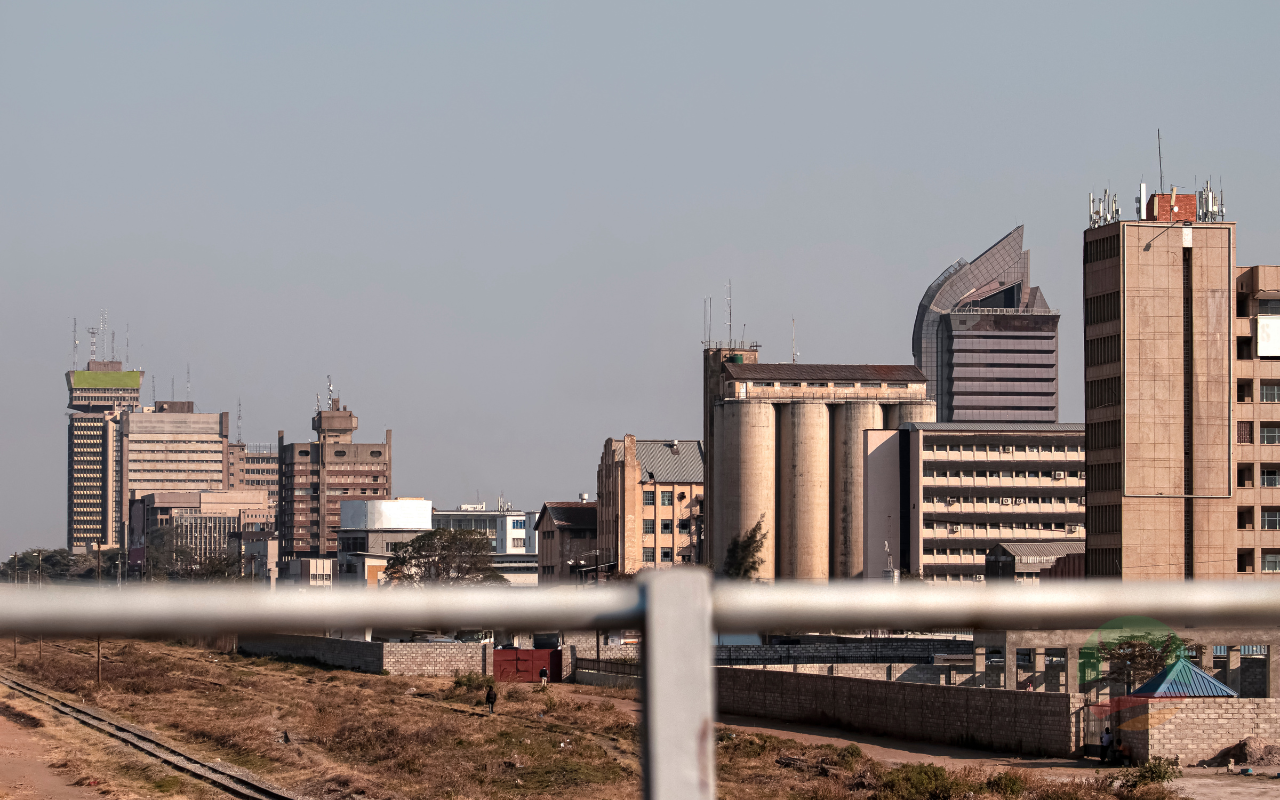
Photo: ZANISzanisGovernment of Zambia — editorial use
LUSAKA, 8 JULY 2026—Updated 8 Jul 2026
LUSAKA — Zambia pledges stronger economic ties with Burundi, saying the push represents room to grow trade, investment, agriculture, mining and tourism between the two countries.
The pledge comes as Zambia and Burundi await full implementation of bilateral agreements signed in recent months, which officials describe as a foundation for closer collaboration across several sectors.
At a glance: Zambia’s Ministry of Information and Media says the country remains committed to deeper economic ties with Burundi. Permanent Secretary Thabo Kawana named trade, investment, agriculture, mining, energy, tourism and infrastructure development as priority sectors. The remarks, carried by the Zambia News and Information Services (ZANIS) on 3 July 2026, followed a reception marking Burundi’s 64th independence anniversary. Kawana said recent agreements between the two countries create a foundation for deeper collaboration, and Zambia looks forward to their full and timely implementation.
What Kawana said
Kawana addressed a gathering held to mark Burundi’s independence, using the occasion to set out Zambia’s economic priorities toward its regional neighbour. The Permanent Secretary framed the relationship in terms of mutual respect, solidarity and a shared commitment to African unity.
Zambia remains committed to strengthening economic ties with Burundi through enhanced trade, investment, agriculture, tourism, mining, energy and infrastructure development.
— Thabo Kawana, Permanent Secretary, Ministry of Information and Media, in remarks carried by the <a href="https://www.zanis.gov.zm/?p=4783">Zambia News and Information Services, 3 July 2026</a>
Kawana said Zambia "looks forward to the full and timely implementation of these agreements," which he described as establishing a solid framework for deeper collaboration between the two countries.
The sectors in focus
Trade and investment top the list Kawana set out. Kawana said Zambia sees scope to grow two-way commercial exchange with Burundi, alongside greater cross-border investment flows between the two economies. Two-way trade between the countries remains modest next to Zambia’s trade with its established regional partners, which is the gap officials say they want to close.
Agriculture and mining follow. The Ministry of Information and Media pointed to both sectors as areas where the two countries could share expertise and capital, given that agriculture underpins much of Burundi’s economy and mining anchors a large share of Zambia’s export earnings. Zambia has spent much of the past two years trying to reduce its dependence on copper alone, and officials increasingly describe agriculture as a sector that could help diversify export income over the next decade.
The sectors also fit a wider pattern in Zambia’s foreign economic policy. Zambia’s administration has pushed a broader trade and investment diplomacy drive this year, including a push that saw President Hakainde Hichilema receive six newly accredited envoys as part of an effort to expand trade and investment ties.
Energy, tourism and infrastructure development complete the list of priority areas. Kawana did not set out specific projects or timelines, saying only that Zambia intends to expand cooperation with Burundi across each of the named sectors.
A framework awaiting implementation
Zambia and Burundi have signed a number of agreements in recent months, which Kawana said establish a solid framework for deeper collaboration. Kawana said Zambia now looks forward to the full and timely implementation of these agreements, without giving further detail on their scope or the sectors they cover.
The pledge adds to a run of trade and investment stories out of Lusaka this year. Zambia’s trade surplus widened to K3.5 billion in April, part of Kwacha News’s wider business and economy coverage tracking how government is trying to diversify export markets and investment partners beyond Zambia’s traditional trading partners.
African Union alignment
Kawana placed the Burundi relationship within a continental frame, saying the two countries collaborate within the African Union toward peace, stability and sustainable development. Kawana linked that cooperation to the African Union’s Agenda 2063, the continental body’s long-term development blueprint, which sets out targets for continental integration, self-reliance and structural economic transformation through 2063. Framing a bilateral pledge in Agenda 2063 language is a common device in African diplomacy, signalling that a two-country agreement is meant to serve a wider continental goal rather than stand alone.
Background
The reception at which Kawana spoke marked Burundi’s 64th independence anniversary. Burundi gained independence from Belgium on 1 July 1962, making 2026 the 64th year since independence. Independence-anniversary receptions are a routine fixture on Lusaka’s diplomatic calendar, and Zambian officials regularly use the occasion to restate economic commitments to a partner country rather than announce new policy on the spot.
Zambia’s outreach to Burundi sits alongside other continental economic pushes this year, including Zambian participation in forums such as the Afreximbank annual meetings in Alamein, Egypt, where trade finance and intra-African trade featured prominently on the agenda.
What to watch
The test now is implementation. Kawana gave no timeline for when the agreements between Zambia and Burundi will take effect, or whether a joint commission or follow-up ministerial visit will be scheduled to track progress. Zambian officials have not said whether the named sectors — trade, investment, agriculture, mining, energy and tourism — will be pursued together or in a phased sequence. A useful marker going forward will be whether trade and investment figures between the two countries start appearing in Zambia’s official statistics, and whether either government names specific projects rather than sectors.
Sources
Zambia News and Information Services: "Zambia pledges stronger economic ties with Burundi -Kawana", 3 July 2026.
Frequently Asked Questions
These are the questions readers have been asking since Zambia’s government reaffirmed its economic push toward Burundi. Short answers follow, drawn from Kawana’s remarks and the wider context of Zambia’s regional trade diplomacy.
What is Zambia’s position on economic ties with Burundi?
In short, Zambia says it remains committed to deepening economic cooperation with Burundi. According to Permanent Secretary Thabo Kawana, the priority sectors are trade, investment, agriculture, mining, energy, tourism and infrastructure development. The key is that the pledge builds on agreements already signed between the two governments.
How does the new bilateral framework affect trade?
Simply put, the framework is meant to make it easier for Zambian and Burundian businesses to trade and invest across the sectors Kawana named. No data on current trade volumes between the two countries was published alongside the announcement, and the ministry did not set out a timeline for implementation. The key is that any measurable effect on trade will depend on the agreements moving from signature to practice.
Why is Burundi significant for Zambia’s regional trade push?
The answer is that Burundi represents one more market in Zambia’s broader push to diversify trade and investment partners across the region and the continent. Analysis of Zambia’s recent economic diplomacy — from new envoys deployed to drive trade and investment, to participation in continental trade-finance forums — shows a consistent pattern of widening Zambia’s commercial relationships beyond its largest existing partners.
Who is driving Zambia’s economic outreach to Burundi?
Thabo Kawana, Permanent Secretary in Zambia’s Ministry of Information and Media, delivered the pledge on behalf of the Zambian government. In other words, the commitment reflects official government policy rather than a single ministry’s initiative, since Kawana’s remarks addressed trade, investment and sector-specific cooperation that fall under several government departments.
What are the main sectors Zambia and Burundi plan to expand?
To summarise, the government named seven areas: trade, investment, agriculture, mining, energy, tourism and infrastructure development. Evidence from Kawana’s remarks shows the sectors were listed together, without individual targets, suggesting the framework is a statement of intent rather than a detailed action plan at this stage.
More on Business & Economy

Guinea bans raw gold exports as Africa pushes local refining
Guinea has banned raw gold exports and now demands local refining, African Business reported. For Zambia, whose copper still leaves largely unprocessed, the move sharpens a long-running question about where the value is captured.

Zambia cuts fuel prices again as shop prices stay high
Zambia's Energy Regulation Board cut pump prices for a third straight month in August 2026, but transport fares and food prices remain high and non-food inflation is rising.
The Kwacha News briefing.
Business, markets and the Zambian economy — in your inbox.

