

Afreximbank's 33rd AGM in Alamein: what Zambia is watching
The 21-24 June meetings in Egypt's Mediterranean resort city carry direct stakes for Zambian exporters, the kwacha and the Lobito Corridor financing pipeline.
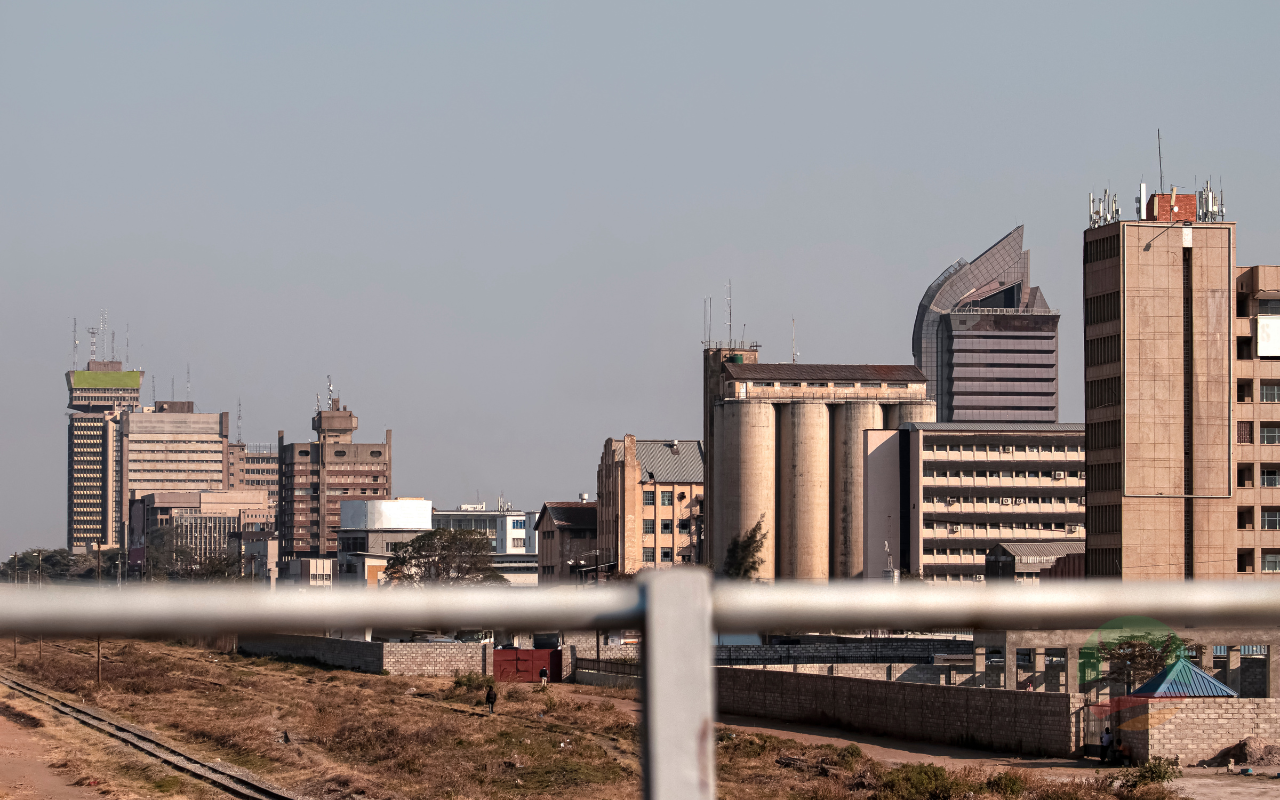
Photo: Darkside PhotographyPexelsPexels License
LUSAKA, 19 MAY 2026—Updated 8 Jul 2026
LUSAKA — Afreximbank's 33rd Annual Meetings, opening in Alamein on 21 June 2026, is the African trade-finance bank's flagship convening of the year, and Zambia has a busy agenda inside it.
The meetings sit on the patronage of Egyptian President Abdel Fattah El-Sisi, according to the conference materials reported via African Business. For Zambia they matter because the bank — chaired by President Benedict Oramah — is one of the largest trade-finance counterparties Lusaka deals with, and three of its agenda items map directly onto Zambian exposure: AfCFTA payments, critical-mineral value chains and the Lobito Corridor financing pipeline.
Why this matters for Zambia
Zambia has been an Afreximbank member state since the bank's founding in 1993 and hosted the 28th Annual Meetings in Lusaka in 2021. The bank's exposure to Zambia runs across copper trade finance, the country's commercial-bank refinancing lines and the Pan-African Payment and Settlement System (PAPSS) — the intra-African settlement rail that bypasses the US dollar leg of cross-border payments.
Three Alamein agenda items carry Zambian stakes. The first is the rollout of PAPSS settlement to more Zambian commercial banks, which the Bank of Zambia has been piloting under its directorate of payment systems. The second is the bank's AfCFTA Adjustment Facility, designed to cushion member states losing tariff revenue under the continental free-trade area. The third is the Lobito Corridor financing window — the rail and processing infrastructure linking Zambian and Congolese copper to the Angolan port of Lobito.
Africa's prosperity will be built by Africans, with African capital, on African terms. Trade is the spine of that prosperity, and intra-African trade is where the next decade of growth gets built.
— Benedict Oramah, President of Afreximbank, in remarks setting the bank's 2021–2025 strategy at the 28th Annual Meetings in Lusaka
Background
Afreximbank was established under a treaty signed in Abidjan in 1993. The bank disbursed over $30 billion in trade-finance facilities to African economies in 2024, with copper-producing economies — Zambia, the Democratic Republic of Congo and Chile-via-Africa flows — representing one of its larger exposure baskets. The bank's flagship initiatives include PAPSS, the Africa Trade Gateway digital platform and the Intra-African Trade Fair, the next edition of which is scheduled for Algiers in September 2026.
Egypt has positioned itself as a recurring host of African multilateral gatherings under President El-Sisi. Alamein, on the country's northern Mediterranean coast, has been built up over the past five years as a conference and resort destination. The choice of venue reads as both diplomatic positioning and a continuation of Egypt's bid to anchor multilateral African finance in Cairo's orbit.
The numbers at Alamein
More than 3,000 international delegates expected · 21–24 June 2026, four-day programme · Patron: President Abdel Fattah El-Sisi of Egypt · Convening institution: African Export-Import Bank (Afreximbank) · Zambia's last hosting: 28th AGM, Lusaka, 2021
What Zambia's delegation will be watching
Three threads matter. The first is the Lobito Corridor — the rail and refining build-out the United States, the European Union and African development finance institutions are co-financing to move Zambian and Congolese copper to Angola's Atlantic coast. Afreximbank has signalled it will participate in the financing stack alongside the African Development Bank and US International Development Finance Corporation.
The second is critical-mineral value addition. Zambia's Ministry of Mines and Minerals Development has set out a policy push to keep more of the copper and cobalt value chain inside the country. Afreximbank's intra-African trade financing instruments — particularly the bank's contribution to local-content financing — are the kind of capital pool that can sit behind that push.
The third is the kwacha settlement question. Zambia's intra-African trade is heavily dollar-denominated, which means every cross-border transaction costs FX twice. PAPSS adoption would let some of that settle in local currency. The data the bank shows in Alamein — how many member states are live on PAPSS, how many commercial banks have integrated, what the through-volume looks like — will determine how close that shift is for Zambian businesses.
Frequently Asked Questions
These are the questions Zambian readers have been asking about Afreximbank's Alamein meetings. Short answers follow, drawn from the bank's public materials and conference programme reported through African Business.
What is Afreximbank?
In short, the African Export-Import Bank is the continent's trade-finance bank. The answer is that Afreximbank is a multilateral institution founded in 1993 under a treaty signed in Abidjan, with shareholders that include African states, African private investors and non-African institutional investors. The key is that its mandate is intra-African and Africa-outward trade — the financing rails behind the continent's exports, imports and increasingly its industrialisation.
How does Afreximbank's PAPSS system work?
Simply put, PAPSS is the Pan-African Payment and Settlement System, a continental payment rail that lets banks in two African countries settle in their local currencies, with the dollar leg removed from the middle. Research published by the bank shows the dollar leg adds 2-3% in transaction cost to typical cross-border African payments. According to PAPSS, more than 150 commercial banks across at least 15 countries are now live on the system, with Zambian uptake still in early phase.
Why is the 33rd AGM in Alamein and not Cairo?
The answer is that Egypt has been actively building Alamein into a conference destination on its Mediterranean coast, and the venue choice reads as soft-power positioning by the host government. In other words, hosting a major African financial gathering at a resort venue projects a particular image — Egypt as a continental anchor with capacity to convene at scale outside the traditional Cairo conference circuit.
Who is Afreximbank's current president?
The bank's president is Benedict Oramah, a Nigerian banker first elected to the role in 2015 and subsequently re-elected. The key is that Oramah's tenure has overlapped with the rollout of AfCFTA, the launch of PAPSS and the bank's pivot from pure trade finance to a broader industrialisation and value-addition mandate.
What does this AGM mean for Zambian businesses?
Analysis of Afreximbank's recent disbursement patterns shows three direct channels for Zambian businesses: trade-finance lines through Zambian commercial banks, project finance for the Lobito Corridor's Zambian segment, and PAPSS-routed payment rails that can reduce FX cost on intra-African flows. Evidence from prior AGMs suggests the largest deals tend to be announced or pre-positioned at the meetings, with closing in the months after — which is what Zambian banks and exporters will be tracking out of Alamein.
Sources
African Business: Egypt readies Alamein for Afreximbank's annual meetings. African Export-Import Bank: institutional profile and recent activity. Pan-African Payment and Settlement System: PAPSS. Bank of Zambia: payment systems directorate. Ministry of Mines and Minerals Development, Zambia: institutional profile.
More on Business & Economy

Guinea bans raw gold exports as Africa pushes local refining
Guinea has banned raw gold exports and now demands local refining, African Business reported. For Zambia, whose copper still leaves largely unprocessed, the move sharpens a long-running question about where the value is captured.

Zambia cuts fuel prices again as shop prices stay high
Zambia's Energy Regulation Board cut pump prices for a third straight month in August 2026, but transport fares and food prices remain high and non-food inflation is rising.
The Kwacha News briefing.
Business, markets and the Zambian economy — in your inbox.

