

Bank of Zambia tightens lending as worker defaults rise
The Bank of Zambia is pushing lenders to tighten credit checks after its latest stability report found loan delinquency among civil servants running well above the prudential limit.
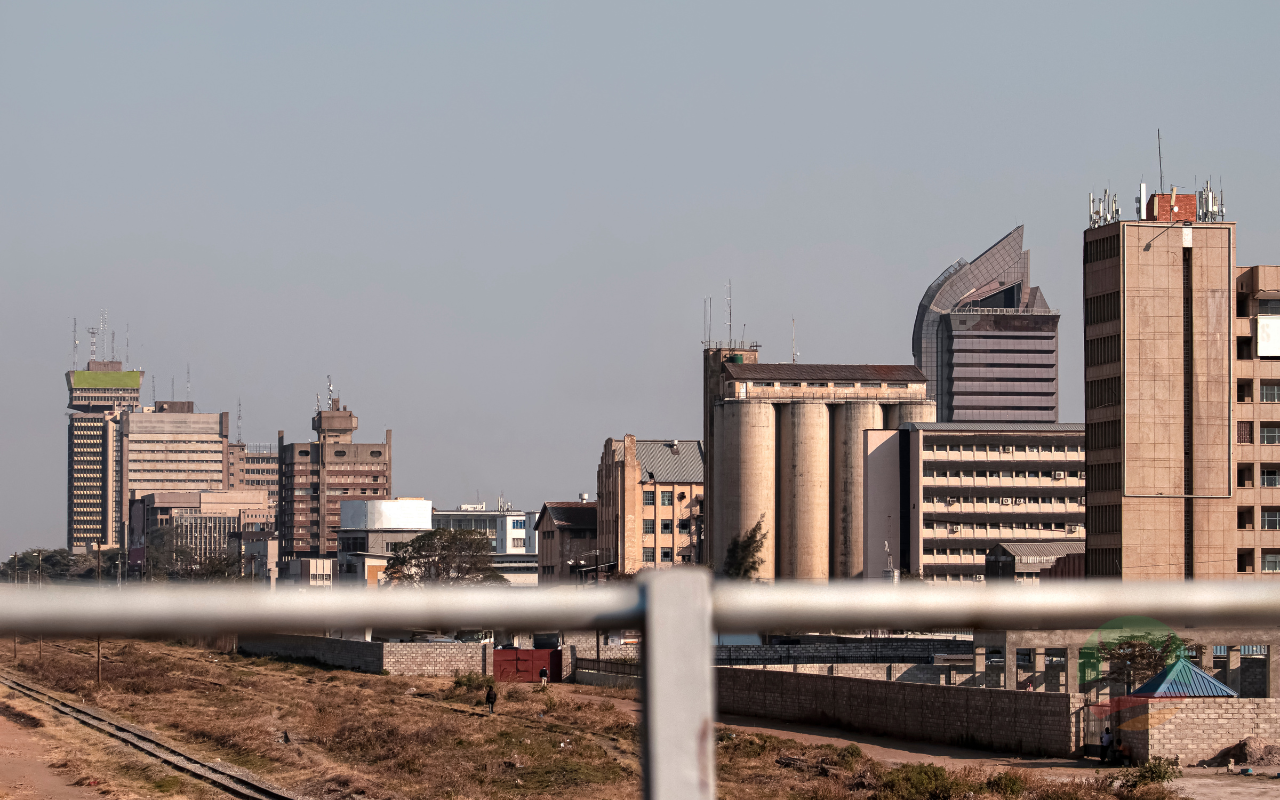
Photo: ChongkianwikidataCC BY-SA 4.0
LUSAKA, 12 JUNE 2026—Updated 8 Jul 2026
LUSAKA — The Bank of Zambia is tightening lending rules after a rise in loan defaults among public-sector workers, a move that represents a response to growing over-indebtedness.
The crackdown matters for ordinary Zambians because civil-servant loans are the backbone of the country’s consumer-credit market, and when those loans go bad the cost ripples through banks, microlenders and households. The central bank’s latest Financial Stability Report found loan delinquency among civil servants borrowing from microfinance institutions running at 16.2%, well above the prudential threshold of 10%.
The figure points to a build-up of bad debt in a segment long treated as low-risk because repayments are deducted at source from salaries. According to the Bank of Zambia (BoZ), the trend reflects over-indebtedness, with some borrowers bypassing lending limits by taking multiple loans from different institutions at the same time.
The bank wants lenders to strengthen their checks. It has urged financial institutions to tighten Know Your Customer (KYC) procedures, improve risk-management systems and upgrade their technology so that a borrower’s total exposure across the market is visible before another loan is approved. This story is part of Kwacha News’s continuing business and economy coverage.
What the report found
The headline number is the delinquency rate. At 16.2%, loan defaults among civil servants borrowing from microfinance institutions sit more than six percentage points above the 10% level regulators treat as the ceiling for a healthy book. That gap is what moved the central bank to act.
The cause, the bank says, is stacking. Because different lenders cannot always see a borrower’s full obligations, some civil servants have taken out several loans at once, each within a single lender’s limit but collectively beyond what their salary can service. When deductions from one payslip have to cover three or four loans, defaults follow.
The risk is broader than the individual borrower. The Bank of Zambia warned that rising defaults could undermine the gains in financial inclusion won through digital lending, because lenders burned by bad loans pull back from the very customers inclusion was meant to reach. The fix it is pushing — better data and tighter checks — is meant to protect access, not shrink it.
Loan delinquency among civil servants borrowing from microfinance institutions stood at 16.2 percent, above the prudential threshold of 10 percent.
— Bank of Zambia, <a href="https://www.boz.zm/laws-and-regulation.htm">Financial Stability Report, April 2026</a>
Snapshot: The Bank of Zambia is pushing lenders to tighten credit checks after its April 2026 Financial Stability Report found loan delinquency among civil servants at microfinance institutions running at 16.2%, above the 10% prudential threshold. The central bank blames over-indebtedness and borrowers stacking multiple loans across institutions, and wants stronger KYC, risk management and technology. The Banking and Financial Services Act 2026 adds disclosure and fair-collection rules.
Background
Civil-servant lending has grown fast in Zambia because it looked safe: a government salary, deductions at source, and a steady employer. That perception drew banks and a wave of microlenders into the market. The trouble is that the same borrower can be sound to each lender on its own and over-extended across all of them, which is the gap the central bank now wants closed.
The push also sits alongside a wider legal overhaul. Under the Banking and Financial Services Act of 2026, lenders must fully disclose interest rates and charges, strip out hidden fees and follow fair debt-collection standards — a tightening of the rules aimed at curbing abusive practices and protecting borrowers. Kwacha News has reported on the fiscal pressures shaping policy, including the case for health taxation in Zambia.
Credit conditions also track the wider economy. The kwacha’s strength against the dollar and the level of interest rates shape how easily households service debt, themes Kwacha News covered when the kwacha strengthened below K18 to the dollar on firmer copper. A tighter lending regime lands on borrowers already navigating those swings.
What to watch
The first thing to watch is whether lenders build a shared view of borrower exposure. The central bank’s diagnosis is a data problem — lenders cannot see each other’s loans — so the test is whether a credit-information system closes that blind spot.
The second is the effect on access. Tighter checks could squeeze out borrowers who depend on quick credit, the opposite of the inclusion the system was built to deliver. The balance the bank says it wants is fewer defaults without fewer customers.
The third is enforcement of the new Act. Rules on disclosure and fair collection only bite if they are applied, so the decision point is how the regulator polices lenders that flout them. For civil servants juggling several loans, that enforcement is what stands between them and a debt trap.
Frequently Asked Questions
These are the questions readers have been asking about the lending crackdown. Short answers follow, drawn from the Bank of Zambia’s Financial Stability Report and the Banking and Financial Services Act.
What is the Bank of Zambia lending crackdown?
In short, the crackdown is the central bank pushing lenders to tighten credit checks after defaults rose among public-sector workers. The answer, simply put, is that loan delinquency among civil servants at microfinance institutions hit 16.2%, above the 10% prudential threshold. The key is that the bank wants better data so a borrower’s full exposure is visible.
Why is the central bank tightening lending now?
The answer is rising defaults. According to the Bank of Zambia, data shows over-indebtedness among civil servants who stack multiple loans across institutions, pushing delinquency above the safe threshold. Evidence in the report shows the trend could undermine financial-inclusion gains if left unchecked.
How does the change affect borrowers?
Simply put, it makes credit harder to stack. Research by the central bank shows borrowers have been taking several loans at once, so tighter KYC checks mean a lender will see a borrower’s total debt before approving more. The key is fewer defaults without cutting off access.
Who is affected by the new lending rules?
The answer is civil servants, banks and microlenders. The data shows public-sector workers are the borrowers at the centre of the rise in defaults, while lenders must upgrade KYC, risk management and technology. The Banking and Financial Services Act 2026 also binds every lender to disclosure and fair-collection rules.
Which loans are most at risk of default?
According to the report, the answer is microfinance loans to civil servants, where delinquency reached 16.2%. Analysis shows the risk concentrates where borrowers hold multiple salary-backed loans at once, so total exposure — not any single loan — is what tips them into default.
Sources
Bank of Zambia: laws and regulation and the Banking and Financial Services Act. Kwacha News coverage: the kwacha below K18 to the dollar and the fiscal case for health taxation.
More on Business & Economy

Guinea bans raw gold exports as Africa pushes local refining
Guinea has banned raw gold exports and now demands local refining, African Business reported. For Zambia, whose copper still leaves largely unprocessed, the move sharpens a long-running question about where the value is captured.

Zambia cuts fuel prices again as shop prices stay high
Zambia's Energy Regulation Board cut pump prices for a third straight month in August 2026, but transport fares and food prices remain high and non-food inflation is rising.

Zambia's trade surplus narrows to K4.2bn as imports jump
Zambia recorded a K4.2 billion trade surplus in June 2026, down from K7.0 billion in May, as imports rose 10.2% and exports fell 1.6%, ZamStats said.
The Kwacha News briefing.
Business, markets and the Zambian economy — in your inbox.