

What is a Eurobond buyback, and why is Zambia doing one?
A plain-English guide to the debt move behind Zambia's $1.36bn tender — what a buyback is, how it works, and what it means for the kwacha.
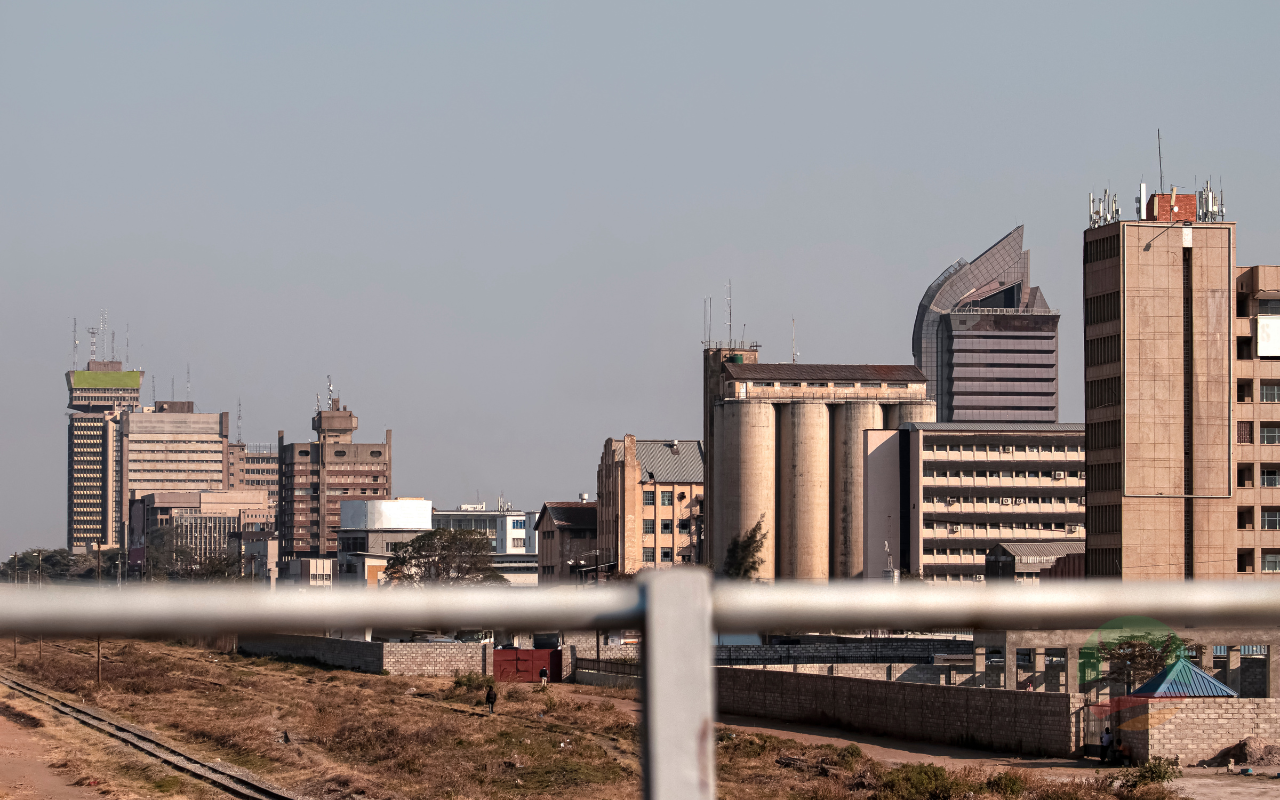
Photo: EEIMwikidataCC BY-SA 3.0
LUSAKA, 1 JUNE 2026—Updated 8 Jul 2026
A Eurobond buyback is when a government offers to repurchase its dollar bonds from investors before they mature — and Zambia is doing one to cut its debt stock and tidy its repayment schedule.
The term sounds technical, but the idea is simple: pay off expensive borrowing early, at a discount, while the market is willing to sell. Zambia's $1.36 billion tender for its 2053 bond is the first big test of that logic since the country left default.
How a buyback works
A Eurobond is a dollar-denominated bond a government sells to international investors. A buyback, or cash tender offer, is the reverse trade: the government offers to buy those bonds back, usually below their face value. Investors who want out tender their bonds; the government pays cash and cancels the debt.
In Zambia's case, the Ministry of Finance opened a tender for its $1,364,725,564 notes due 2053, offering $780 per $1,000 of principal to early sellers. Because the bonds traded below face value, the government retires more debt than the cash it spends. Kwacha News covered the deal in full in its report on the $1.36bn buyback.
The transactions will allow the Republic to streamline its debt stock and proactively manage its overall debt maturity profile.
— Ministry of Finance and National Planning, via <a href="https://www.cnbcafrica.com/2026/zambia-seeks-to-buy-back-2053-bond-partly-with-600-million-afdb-loan">CNBC Africa</a>
Why Zambia is doing it now
Three reasons. It cuts the debt stock cheaply, because the bonds sell below par. It smooths the maturity profile, reducing the lump sums Zambia owes in later years. And it sends a signal — that the country is managing its debt actively rather than waiting for a crisis — which can lower future borrowing costs. The buyback is funded by a $600 million African Development Bank loan tied to an energy programme, which Kwacha News set out in its piece on the debt-for-energy grid rebuild.
Buyback jargon, decoded — Eurobond: a dollar bond sold to international investors. Tender offer: an invitation to sell bonds back at a set price. Face value (par): the amount repaid at maturity. Below par: trading under face value, so a buyback retires debt at a discount. Maturity profile: the schedule of when debts fall due.
Who it affects
Bondholders get the choice to cash out now rather than wait until 2053. The government gets a smaller, tidier debt load. And ordinary Zambians are affected indirectly: lower debt-service costs free money for spending, and a stronger debt position supports the kwacha and the country's return to borrowing on better terms. It is part of the bigger debt story Kwacha News follows in its Markets coverage.
The risks
A buyback is not free money. The government spends cash or borrows new money — here, from the African Development Bank — to retire the bond, so it only makes sense if the new financing is cheaper or comes with benefits like the grid programme. There is also execution risk: if too few investors tender, or the discount is too thin, the exercise disappoints. And swapping market debt for a development-bank loan adds conditions a bond never carried.
Frequently Asked Questions
These are the questions readers ask about bond buybacks. Short answers follow, drawn from the offer documents and market reporting.
What is a Eurobond buyback?
In short, it is a government repurchasing its dollar bonds before maturity, usually below face value. The answer, simply put, is paying off expensive debt early at a discount.
How does a tender offer work?
The data shows the government sets a price — Zambia offered $780 per $1,000 to early sellers. According to the offer, investors who accept hand over their bonds for cash, and the debt is cancelled.
Why is Zambia buying back its 2053 bond?
The key is debt management. Evidence from the Ministry of Finance shows the aim is to cut the debt stock, smooth repayments and signal a return to disciplined borrowing.
Who pays for the buyback?
In other words, the government — here funded by a $600 million African Development Bank loan plus its own resources. Research shows this only helps if the new financing is cheaper than the bond it retires.
What are the risks of a buyback?
Analysis shows the risks are weak investor take-up, too small a discount, and trading market debt for a loan with conditions. The answer is that a buyback rewards good timing and punishes bad terms.
Sources
CNBC Africa: Zambia seeks to buy back 2053 bond partly with $600 million AfDB loan. Bloomberg: Zambia bonds jump after 2053 debt buyback tender starts. African Development Bank: Zambia country overview.
More on Markets

Zambia's inflation holds at 6.5% for a second month
Annual inflation stayed at 6.5% in July 2026, ZamStats said. Food inflation eased to 6.4% while non-food rose to 6.7%, holding the headline rate inside the central bank's target band.

Bank of Zambia cuts kwacha reserve ratio to 21%
The Bank of Zambia cut the statutory reserve ratio on kwacha deposits to 21% from 26%, freeing about K5 in every K100 of deposits for lending. The ratio on foreign-currency deposits stays at 36%.
The Kwacha News briefing.
Business, markets and the Zambian economy — in your inbox.

