

US–Iran deal cools oil, but Zambia’s fuel relief lags
A framework to end the war with Iran has sent oil prices tumbling from their wartime highs — good news for a country that imports every litre of fuel it uses, but relief that will arrive with a lag.
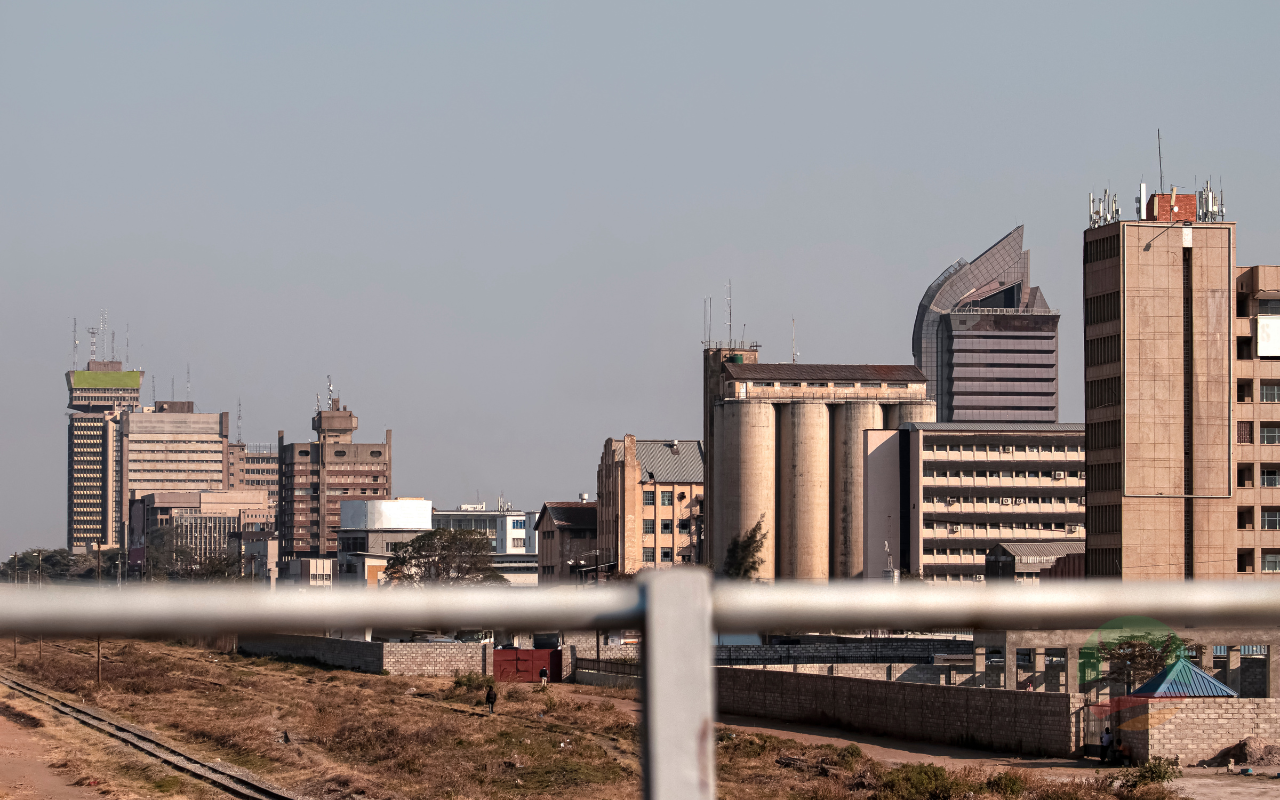
Photo: Abbie RowewikidataPublic domain
LUSAKA, 16 JUNE 2026—Updated 8 Jul 2026
WASHINGTON — A framework deal to end the war with Iran is pulling oil prices down from their wartime highs, a shift that matters for Zambia, which imports every litre of fuel it uses.
The move matters because the price of crude feeds straight into what Zambians pay at the pump, and through fuel into the cost of transport, food and electricity. When the world oil price falls, Zambia's import bill eases — but the relief reaches the forecourt slowly. This is part of Kwacha News's continuing world coverage.
Oil fell and stock markets rallied after the United States and Iran confirmed a framework to end the war, Al Jazeera reported, with the agreement due to be signed in Switzerland. Brent crude, which had surged from around $60 a barrel in January to about $118 at the height of the conflict in late March, had dropped back to roughly $83.
What changed
The war between Iran and the US and Israel had driven oil sharply higher, in part because of the threat to the Strait of Hormuz, the narrow channel through which a large share of the world's seaborne crude passes. A framework to end the fighting reopens that route and removes the war-risk premium that traders had priced in.
Markets moved fast. Asian indices jumped on the news — Japan's Nikkei 225 rose about 5.5% and South Korea's Kospi as much as 5.7% — while crude slid. But analysts cautioned that the relief at the pump will lag the headlines: rebuilding global oil inventories to pre-war levels could take many months.
US fuel prices are expected to take months to normalise after the US–Iran deal to end the war.
— Al Jazeera, <a href="https://www.aljazeera.com/economy/2026/6/16/us-fuel-prices-to-take-months-to-normalise-after-us-iran-deal-to-end-war">16 June 2026</a>
Snapshot: A framework to end the war with Iran has cut oil prices, with Brent falling from a wartime peak near $118 a barrel toward about $83. Stock markets rallied as the threat to the Strait of Hormuz eased. Analysts warn pump-price relief will take months as inventories rebuild. For Zambia, which imports all its fuel, lower crude eventually lowers the import bill and pump prices — but with a lag, and filtered through the kwacha exchange rate.
Why it matters for Zambia
Zambia produces no oil and imports all of its petrol and diesel, so the global crude price is one of the biggest forces on the cost of living. Pump prices are reviewed regularly by the Energy Regulation Board, and they track two things: the landed cost of imported fuel and the kwacha's exchange rate against the dollar.
That second factor is where the news compounds. A stronger kwacha has already been easing import costs, the same currency strength behind Zambia's world-beating bond returns and the kwacha's move past K18 to the dollar. A firmer kwacha and a lower oil price pulling in the same direction is the best case for Zambian fuel prices.
The caution is timing and durability. Pump prices fall more slowly than they rise, the relief depends on the ceasefire holding, and a reversal in either oil or the kwacha would undo the gain. For households and hauliers, the change is real but will be felt over months, not days.
Background — oil and the Zambian pump
Fuel is a recurring flashpoint in Zambia because it touches everything: the minibus fare, the price of mealie meal trucked to market, the diesel that runs generators when the grid is short. A government that cannot hold fuel prices steady feels the political cost quickly.
Because Zambia imports refined product priced in dollars, the country is exposed to two separate risks — the world oil price and the exchange rate. The end of the war eases the first; the kwacha's recent strength helps with the second. The combination is why this distant conflict's resolution lands close to home.
What to watch
The first thing to watch is the next Energy Regulation Board review. That is where a lower global oil price and a firmer kwacha would actually show up as a change in the pump price.
The second is whether the ceasefire holds. The oil-price relief assumes the framework signed in Switzerland sticks; any breakdown would send crude back up.
The third is the kwacha. Because Zambia's fuel bill is paid in dollars, the exchange rate will decide how much of the global price fall Zambian motorists actually keep.
Frequently Asked Questions
These are the questions readers are asking about the oil-price fall. Short answers follow, drawn from international market reporting.
What is the US–Iran deal?
In short, it is a framework agreement to end the war with Iran, due to be signed in Switzerland. The answer, simply put, is that ending the conflict removes the war-risk premium that had pushed oil prices to wartime highs.
How does the deal affect oil prices?
Simply put, it pushed them down. Brent crude fell from a wartime peak near $118 a barrel toward about $83 after the framework was confirmed, as the threat to the Strait of Hormuz eased, according to Al Jazeera.
Why does this matter for Zambia?
The key is that Zambia imports all its fuel. A lower world oil price lowers the country's import bill and, eventually, pump prices — though the relief is filtered through the kwacha exchange rate and arrives with a lag.
When will Zambian fuel prices fall?
The answer is not immediately. Analysis shows global inventories take months to rebuild, and Zambian pump prices change at the Energy Regulation Board's regular reviews, so any fall will be gradual.
What could reverse the oil-price fall?
The answer is a breakdown of the ceasefire or a weaker kwacha. Evidence from the market shows the relief depends on the framework holding and on the exchange rate that prices Zambia's fuel imports.
Sources
Al Jazeera: Stock markets soar, oil falls as US and Iran confirm deal to end war (15 June 2026) and US fuel prices to take months to normalise after US–Iran deal (16 June 2026). Kwacha News coverage: Zambia's world-beating bond returns and the kwacha past K18 on copper.
More on Africa/World

TAZARA at 50: Zambia weighs two routes to the sea
As TAZARA turns 50, landlocked Zambia is weighing two rival routes for its copper: east to the Indian Ocean via a rebuilt TAZARA, or west to the Atlantic via the Lobito Corridor.

African leaders back trade insurer ATIDI after record year
African leaders endorsed ATIDI — the pan-African insurer Zambia belongs to — as a cornerstone of a new African-led financial architecture, as the body marked 25 years with record 2025 results and a call to recapitalise it to US$2 billion.

Railway revival sweeps Southern Africa as Zambia eyes TAZARA
South Africa's freight-rail reforms, the Lobito Corridor and a revived TAZARA line are redrawing Southern Africa's transport map, as President Hichilema pledges a further $1.6 billion recapitalisation of the Tanzania-Zambia railway.
The Kwacha News briefing.
Business, markets and the Zambian economy — in your inbox.