

South Africa migrant-labour crackdown splits Johannesburg
A government push to penalise undocumented employment is dividing Johannesburg's inner city and exposing how heavily small businesses rely on migrant labour — with direct stakes for Zambians in South Africa.
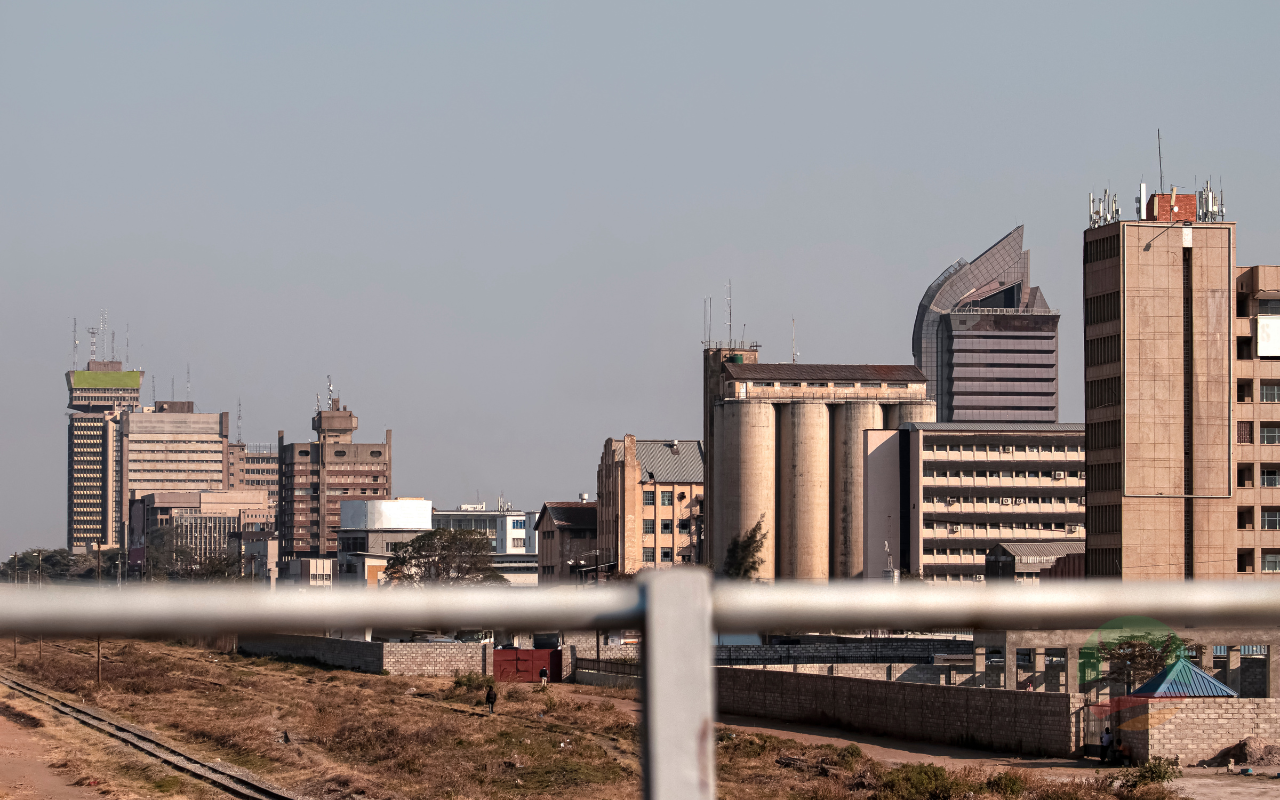
Photo: Road AheadUnsplashUnsplash License
LUSAKA, 21 JUNE 2026—Updated 8 Jul 2026
LUSAKA — South Africa’s drive to penalise undocumented employment is dividing Johannesburg’s inner city and exposing how far small businesses depend on migrant labour, Al Jazeera reported.
The crackdown matters for the region because Johannesburg’s informal economy draws traders and workers from across Southern Africa, including Zambia, and a clampdown that falls hardest on small retail reaches well beyond South Africa’s borders. Kwacha News follows the story as part of its Africa and World coverage, where the human cost of the dispute is already visible in the repatriation of nationals.
What is taking shape, on Al Jazeera’s account, is a contest over who keeps the inner city running. The draft enforcement plan treats undocumented hiring as the problem to be punished, while the small shops, stalls and fast-fashion stands that animate Fordsburg and surrounding streets lean on exactly the workers the policy would push out. The result splits the city over whether tougher rules protect local jobs or hollow out the trade that sustains the neighbourhood.
A draft South African government plan proposes fines of up to 1 million rand, about US$61,700, for employing undocumented workers, alongside the recruitment of 10,000 labour inspectors, according to Al Jazeera. The scale of the proposed enforcement signals an intent to police hiring across the informal economy, not just large firms. A fine of that size would dwarf the takings of a typical inner-city trader, turning the employment of an undocumented worker into a business-ending risk.
Vigilante movements, among them Operation Dudula and a group calling itself “March and March”, are carrying out what they describe as “citizen raids” targeting undocumented workers, Al Jazeera reported. Such raids place the burden of immigration enforcement in the hands of self-appointed groups rather than the state. The campaigns frame migrants as competitors for scarce work, a charge that gains traction in a market where formal jobs are hard to find.
The crackdown lands amid acute joblessness. South Africa’s national unemployment is about 33 percent, with youth unemployment above 60 percent, Al Jazeera said. Those figures help explain why anti-migrant sentiment has hardened: with roughly a third of the workforce out of work and most young people unable to find a job, the claim that foreigners are taking opportunities away from locals carries political weight, even where migrant trade also creates income.
The pressure centres on Johannesburg’s inner city, including the suburb of Fordsburg, where informal fast-fashion trade and small retail are most exposed, according to Al Jazeera. The economic stakes are easy to overlook. As Kwacha News has reported, South African groups had already set a 30 June deadline for migrants to leave the country, sharpening the climate around the inner-city economy.
The report references the repatriation of undocumented nationals from several African countries, Al Jazeera said. For Zambia, that consequence is concrete. Kwacha News documented how the government repatriated 40 nationals as the South African crisis deepened, a reminder that the policy debate in Johannesburg translates into lives uprooted across the sub-region.
The picture is not one-sided. Urban planner Tanya Zack told Al Jazeera that a lot of the money migrants generate selling fast fashion is important to an inner city, a judgement that frames the trade as part of the local economy rather than a drain on it. The tension between that economic reality and the political demand for tougher enforcement is what is splitting Johannesburg.
A lot of money generated by migrants selling fast fashion … is important to an inner city.
— Tanya Zack, urban planner, quoted by <a href="https://www.aljazeera.com/economy/2026/6/21/south-africas-immigration-crackdown-divides-johannesburgs-inner-city">Al Jazeera</a>, 21 June 2026
Snapshot: A draft South African government plan proposes fines of up to 1 million rand (about US$61,700) for employing undocumented workers and the hiring of 10,000 labour inspectors, Al Jazeera reported. Vigilante groups, including Operation Dudula, are running so-called “citizen raids” as national unemployment sits near 33 percent and youth unemployment tops 60 percent. The pressure is concentrated in Johannesburg’s inner city, including Fordsburg, where informal fast-fashion trade is most exposed. The report also references the repatriation of undocumented nationals from several African countries.
Background
Johannesburg’s inner city has long been a hub for cross-border traders who buy and sell low-cost clothing, with much of the cash they generate circulating through the surrounding economy. Urban planner Tanya Zack told Al Jazeera that the money migrants make selling fast fashion is important to the inner city, a point that complicates a crackdown framed mainly as an enforcement measure.
The fines-and-inspectors plan arrives against a labour market under strain. With national unemployment around 33 percent and youth joblessness above 60 percent, Al Jazeera reported, competition for work has fed the narrative that drives groups such as Operation Dudula and “March and March”, which target undocumented workers in the name of protecting local jobs.
Fordsburg sits at the heart of that informal trade, a district where fast-fashion stalls and small shops anchor the local economy. Al Jazeera reported that the inner city is where the pressure of the crackdown is most concentrated, because it is there that undocumented labour and small enterprise are most tightly bound together. The same reporting points to a wider regional dimension, referencing the repatriation of undocumented nationals from several African countries as governments respond to the tightening climate.
What to watch
The first marker is whether the draft government plan is adopted and how the proposed fines of up to 1 million rand and the 10,000 new inspectors are deployed, since enforcement detail will decide how heavily informal traders are hit. A plan that targets large employers would land very differently from one that sends inspectors into Fordsburg’s stalls.
The second is the scale of repatriations. Al Jazeera referenced the return of undocumented nationals from several African countries, and Zambia has already brought citizens home, so the pace of further removals will measure how far the crackdown reaches into the diaspora. The third is the conduct of the vigilante groups: whether the so-called “citizen raids” by Operation Dudula and “March and March” expand or are reined in will shape how violent the next phase becomes.
Frequently Asked Questions
These are the questions readers have been asking about South Africa’s migrant-labour crackdown. Short answers follow, drawn from Al Jazeera’s reporting and the public record on the dispute.
What is South Africa’s migrant-labour crackdown?
In short, it is a government-led drive to penalise the employment of undocumented workers. According to Al Jazeera, a draft plan proposes fines of up to 1 million rand, about US$61,700, for employing undocumented workers and the recruitment of 10,000 labour inspectors. The data shows the measure is aimed at policing hiring across the economy.
Who are Operation Dudula and “March and March”?
The answer is that they are vigilante movements. Al Jazeera reported that Operation Dudula and a group called “March and March” are conducting so-called “citizen raids” targeting undocumented workers, evidence of immigration enforcement moving from the state to self-appointed groups.
Why is Johannesburg’s inner city at the centre of this?
Simply put, the inner city is where informal trade is most exposed. Al Jazeera’s reporting reveals that the pressure centres on areas including Fordsburg, where fast-fashion and small retail concentrate, and analysis of the local economy shows much of the cash migrants generate circulates there.
How does the crackdown affect Zambians in South Africa?
The key is the threat of removal. Al Jazeera referenced the repatriation of undocumented nationals from several African countries, and Kwacha News reporting shows Zambia has already brought 40 nationals home as the crisis deepened, evidence that the policy reaches directly into the Zambian diaspora.
What does the economic data say about the context?
In other words, the crackdown is unfolding in a strained labour market. According to Al Jazeera, South Africa’s national unemployment is about 33 percent, with youth unemployment above 60 percent, figures that research and analysis link to the tensions fuelling anti-migrant campaigns.
Sources
Reporting and figures in this article are drawn from Al Jazeera’s coverage of South Africa’s immigration crackdown in Johannesburg’s inner city, published 21 June 2026. Related Kwacha News coverage: the 30 June deadline set for migrants to leave and the repatriation of 40 Zambian nationals as the crisis deepened.
More on Africa/World

TAZARA at 50: Zambia weighs two routes to the sea
As TAZARA turns 50, landlocked Zambia is weighing two rival routes for its copper: east to the Indian Ocean via a rebuilt TAZARA, or west to the Atlantic via the Lobito Corridor.

African leaders back trade insurer ATIDI after record year
African leaders endorsed ATIDI — the pan-African insurer Zambia belongs to — as a cornerstone of a new African-led financial architecture, as the body marked 25 years with record 2025 results and a call to recapitalise it to US$2 billion.
The Kwacha News briefing.
Business, markets and the Zambian economy — in your inbox.
