

SA groups set 30 June deadline for migrants to leave
Anti-migrant civic groups in South Africa have set 30 June 2026 as a deadline for undocumented foreign nationals to leave the country, driving thousands of migrants to flee as xenophobic threats escalate across provinces.
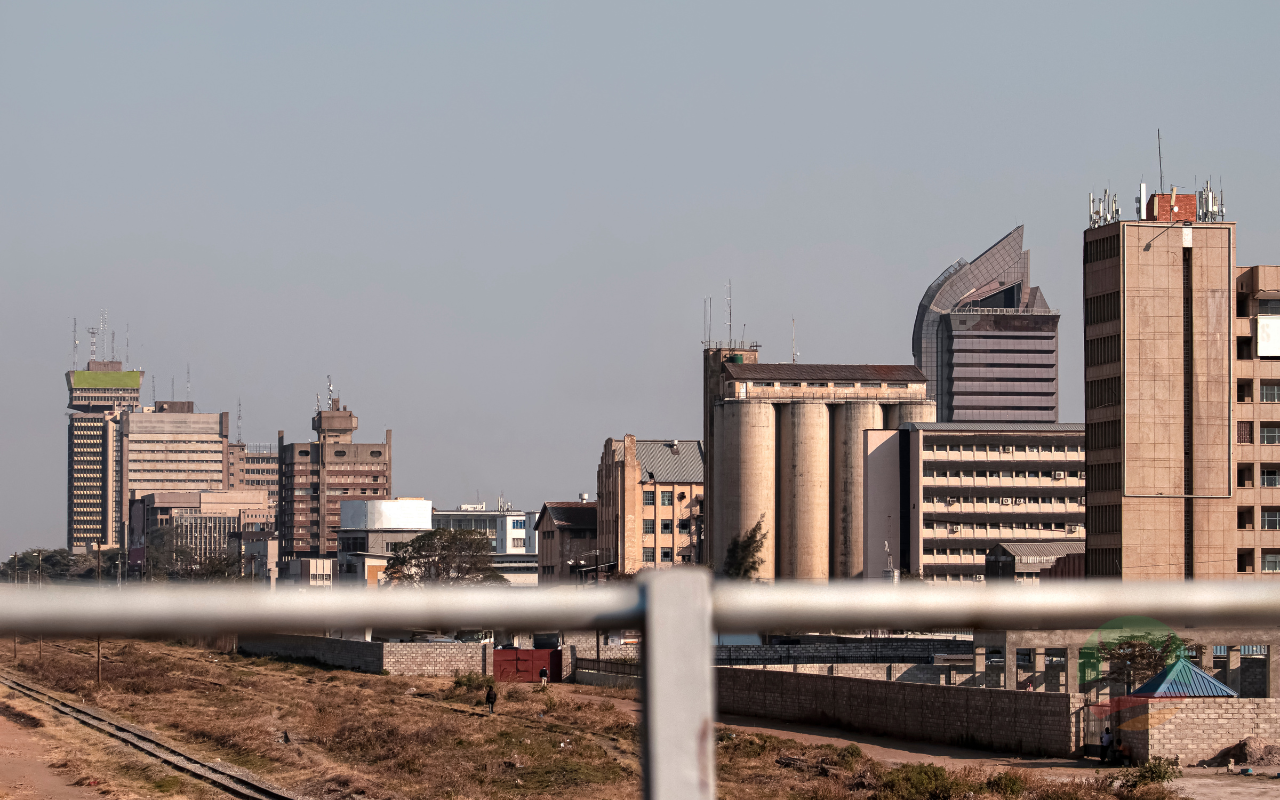
Photo: Diego DelsowikidataCC BY-SA 4.0
LUSAKA, 17 JUNE 2026—Updated 8 Jul 2026
JOHANNESBURG — Anti-migrant groups in South Africa have set 30 June 2026 as a deadline for undocumented foreign nationals to leave the country, driving thousands of people to flee as threats of violence escalate.
The deadline is not a government order. It comes from March and March, a civic pressure group that emerged in KwaZulu-Natal and has since spread its campaign nationally, demanding that undocumented migrants depart by month's end or face unspecified consequences. South African police have debunked a fake poster that circulated on social media presenting the deadline as an official state directive — it is not, and carries no legal authority.
But the distinction between a protest group's threat and government policy has made little difference on the ground. Entire communities have been driven from informal settlements across Gauteng, KwaZulu-Natal and the Western Cape. Families have abandoned homes and businesses overnight, fleeing a campaign that has reshaped daily life for millions of foreign nationals living in South Africa. This story connects to Kwacha News's continuing coverage of the Africa region.
The scale of displacement
The numbers tell the story of a humanitarian crisis unfolding in real time. More than 3,000 Malawian nationals are sheltering in an open field in Durban, having fled their homes in settlements across KwaZulu-Natal. The Malawian government has announced plans to repatriate them ahead of the 30 June deadline, arranging transport and temporary accommodation at the border, according to AllAfrica reporting.
Ghana has begun airlifting its citizens out of South Africa. Nigeria scheduled a second repatriation flight on Monday 15 June 2026, following an earlier flight that returned a first group of nationals. The pattern is the same across sending countries: governments scrambling to extract their citizens from a country where they are no longer safe, not because of war or natural disaster, but because of a civic campaign backed by the threat of mob violence.
The displacement extends beyond the nationalities making headlines. Zimbabweans, Mozambicans, Congolese, Somalis, Ethiopians and Bangladeshis have all reported being targeted. Informal traders who have operated in South African townships for years have shuttered their shops. Migrant workers in construction, agriculture and domestic service have stopped going to work. The economic disruption compounds the human cost — these workers fill roles that South African employers have struggled to staff, and their sudden departure is already being felt in local supply chains.
Zambian nationals in South Africa face the same climate of fear. While Zambia's diaspora in Gauteng and KwaZulu-Natal is smaller than that of Zimbabwe or Malawi, Zambians working in mining support services, hospitality and small-scale trade have reported threats and intimidation. The Zambian High Commission in Pretoria has urged its nationals to keep their documentation current and to report any incidents, but has not yet announced a formal repatriation programme. Kwacha News has previously covered the rising anti-migrant tensions across the SADC region and how they have strained diplomatic relations between Pretoria and its neighbours.
Who is behind the deadline
March and March is the most visible group driving the 30 June campaign, but it is not alone. A constellation of civic organisations, community forums and social media accounts have coalesced around the demand that undocumented migrants leave South Africa. The movement draws its energy from genuine public frustration with crime, unemployment, failing public services and what many South Africans perceive as weak border controls.
The group's tactics borrow the language of democratic accountability. Organisers frame the campaign as a citizens' petition, a grassroots demand for the government to enforce its own immigration laws. They hold marches, submit memoranda and use the rhetoric of rights and sovereignty. An analysis by The Conversation warned that this democratic framing is precisely what makes the movement dangerous — it lends legitimacy to threats against a vulnerable population while deflecting attention from the structural causes of South Africa's crisis.
South Africa's anti-migrant campaigns use the language of democracy to mobilise against foreign nationals, but the frustration being directed at roughly three million migrants masks the structural causes of inequality, poor governance and economic stagnation that drive public anger.
— Analysis from <a href="https://theconversation.com/south-africas-anti-migrant-campaigns-use-the-language-of-democracy-why-thats-dangerous-284370">The Conversation, June 2026</a>
The structural argument is straightforward. South Africa's official unemployment rate is above 32 per cent. Load-shedding, crumbling infrastructure, water shortages and a housing backlog that runs into the millions have eroded trust in the state. When public services fail and jobs are scarce, the presence of foreign nationals becomes a convenient explanation for problems that predate the current wave of migration. The roughly three million documented and undocumented migrants in South Africa represent less than five per cent of the population, yet the anti-migrant movement treats them as the primary cause of the country's difficulties.
The government's response
President Cyril Ramaphosa's handling of the crisis has drawn criticism from multiple directions. His recent migration speech framed immigration as a major national challenge, a characterisation that critics say validated the anti-migrant narrative without providing evidence that migration is the root cause of the problems he described. By echoing the language of groups like March and March — even in more measured tones — Ramaphosa has been accused of lending presidential weight to a campaign that is already producing violence on the ground.
The police response has been uneven. Officers debunked the fake poster claiming the 30 June deadline was an official government order, a necessary correction that came too late for many who had already seen it shared on WhatsApp and Facebook. But enforcement against those making threats or carrying out attacks on foreign nationals has been inconsistent. In some areas, police have stood between marchers and migrant communities; in others, displaced families have reported receiving no protection at all.
The South African Human Rights Commission has called for calm and urged the government to address the root causes of public frustration rather than allowing them to be channelled into xenophobic violence. Civil society organisations have pointed out that South Africa's constitution protects the rights of all people within its borders, not only citizens, and that extra-judicial threats against migrants violate the law regardless of their documentation status.
Key context: The 30 June deadline is NOT a government order. It was set by March and March, a civic pressure group. South African police have confirmed a poster presenting the deadline as official policy is fake. The campaign carries no legal authority, but the threat of mob violence has driven thousands of foreign nationals to flee their homes across multiple provinces.
SADC implications and the Zambia angle
The crisis is not contained within South Africa's borders. It is a regional event with consequences for every SADC member state. Malawi, Mozambique, Zimbabwe and Nigeria are already running repatriation operations. Ghana and the Democratic Republic of the Congo are planning theirs. Each returning migrant carries the economic impact home — remittances that sustained households in Lilongwe, Harare and Lusaka will stop, small businesses built on cross-border trade will close, and the human capital that South Africa attracted from across the continent will disperse.
For Zambia, the implications run along several lines. First, Zambian nationals in South Africa face a hostile environment regardless of their documentation status — the anti-migrant campaign does not distinguish between legal residents and undocumented workers in practice. Second, any large-scale return of Zambian migrants would put pressure on an already constrained labour market at home. Third, the diplomatic fallout risks fraying SADC cohesion at a moment when the bloc needs unity on issues from the Lobito Corridor to regional trade integration.
The deeper question is whether the 30 June deadline will pass as a symbolic moment or trigger a new wave of violence. Previous xenophobic episodes in South Africa — in 2008, 2015 and 2019 — followed a pattern of escalating threats, sporadic attacks, a period of intense violence and then a gradual return to an uneasy coexistence. The current campaign is more organised and more national in scope than its predecessors, which raises the risk that the aftermath will be worse.
Kwacha News has tracked how these tensions intersect with broader questions of Pan-African solidarity and the principles that are supposed to bind the continent together. The 30 June deadline tests whether those principles hold under pressure, or whether economic frustration will continue to override them. The recent mass shooting in Johannesburg's Cleveland settlement — while not linked to the anti-migrant campaign — has deepened the climate of fear among foreign nationals in Gauteng and underscored the broader security crisis.
What to watch
The immediate watch point is the 30 June deadline itself. Whether it passes peacefully or triggers coordinated violence will define the trajectory of the crisis. Security forces have been placed on alert, but the scale of informal settlements and the geographic spread of the campaign make comprehensive protection difficult.
Beyond the deadline, the structural question remains unanswered. South Africa's anti-migrant movement is a symptom of a governance failure that no amount of deportation will resolve. Until unemployment falls, services improve and the state rebuilds trust with its own citizens, foreign nationals will continue to serve as a lightning rod for frustration that has nothing to do with migration and everything to do with the post-apartheid social contract.
For the SADC region and for Zambian readers specifically, the decision point is whether the crisis accelerates a rethinking of migration policy across the bloc — formalising labour mobility, strengthening consular protection, building the legal architecture that protects people who cross borders to work — or whether it simply adds another chapter to a recurring pattern of displacement and return. The answer will shape the region for years to come.
Frequently Asked Questions
These are the questions readers have been asking about the 30 June migrant deadline in South Africa. Short answers follow, drawn from wire reporting and regional analysis.
What is the 30 June deadline for migrants in South Africa?
In short, anti-migrant civic groups — led by March and March — have set 30 June 2026 as a deadline for undocumented foreign nationals to leave South Africa. It is not a government order and carries no legal authority. South African police have confirmed that a poster presenting the deadline as official policy is fake.
Who is behind the anti-migrant campaign?
Simply put, March and March is the most prominent group. It emerged in KwaZulu-Natal and has spread nationally, joined by a network of civic organisations, community forums and social media accounts. The campaign draws on public frustration with crime, unemployment and failing services, but analysts warn it deflects blame from structural causes onto roughly three million migrants.
How many people have been displaced?
The answer is that the full scale is still emerging, but confirmed figures are significant. More than 3,000 Malawians are sheltering in a single field in Durban. Ghana and Nigeria have launched repatriation flights. Entire communities have been driven from informal settlements across Gauteng, KwaZulu-Natal and the Western Cape, with families abandoning homes and businesses overnight.
Are Zambians in South Africa affected?
In short, yes. While Zambia's diaspora in South Africa is smaller than that of Zimbabwe or Malawi, Zambian nationals in Gauteng and KwaZulu-Natal have reported threats and intimidation. The campaign does not distinguish between nationalities or documentation status in practice. The Zambian High Commission has urged nationals to keep their documents current and report incidents.
Is the South African government enforcing the deadline?
The answer is no — the deadline has no legal standing and the government has not endorsed it. However, President Ramaphosa's recent migration speech framed immigration as a major national challenge, which critics say validated the anti-migrant narrative. Police response to threats against foreign nationals has been inconsistent across provinces.
Sources
EWN: foreign nationals living in fear ahead of 30 June deadline. Swisher Post: foreign nationals flee South Africa as xenophobia intensifies. The Conversation: South Africa's anti-migrant campaigns use the language of democracy — why that's dangerous. AllAfrica: Malawi plans repatriation ahead of deadline. Kwacha News coverage: anti-migrant tensions across SADC, Pan-African principles revisited, Johannesburg Cleveland mass shooting.
More on Africa/World

TAZARA at 50: Zambia weighs two routes to the sea
As TAZARA turns 50, landlocked Zambia is weighing two rival routes for its copper: east to the Indian Ocean via a rebuilt TAZARA, or west to the Atlantic via the Lobito Corridor.

African leaders back trade insurer ATIDI after record year
African leaders endorsed ATIDI — the pan-African insurer Zambia belongs to — as a cornerstone of a new African-led financial architecture, as the body marked 25 years with record 2025 results and a call to recapitalise it to US$2 billion.
The Kwacha News briefing.
Business, markets and the Zambian economy — in your inbox.
