

Seven African countries face new US labour tariffs
A proposed 12.5-percentage-point US tariff would hit Algeria, Angola, Egypt, Libya, Morocco, Nigeria and South Africa over forced-labour rules — a list that leaves Zambia out but redraws the trade map across the continent.
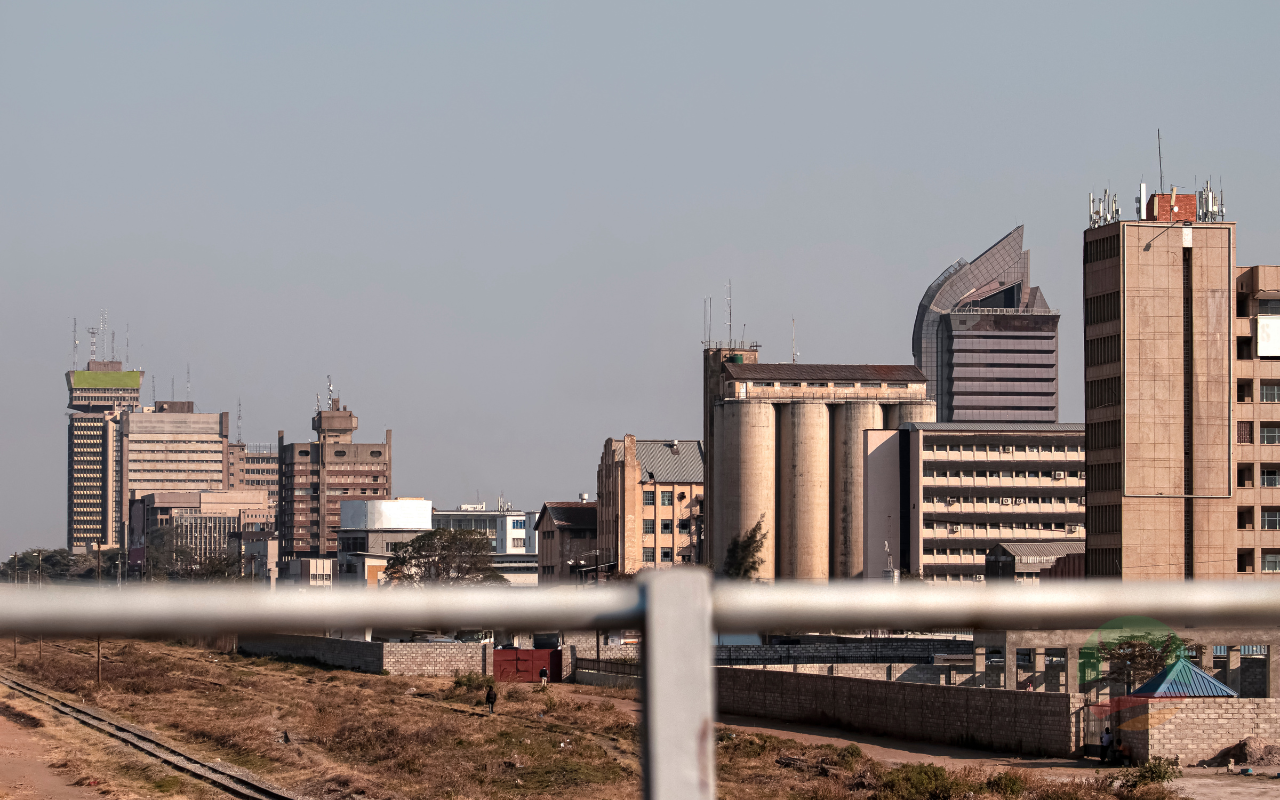
Photo: Henryk NiestrójwikidataCC BY-SA 4.0
LUSAKA, 16 JUNE 2026—Updated 8 Jul 2026
WASHINGTON — A new US tariff of 12.5 percentage points is being weighed against seven African countries over forced-labour concerns, a list that does not include Zambia.
The threat matters because it marks a shift in how Washington polices trade: not on the old grounds of dumping or subsidies, but on labour standards, using a legal tool that lets the United States act against an entire country's exports. For Zambia, the immediate exposure is low — but the precedent reaches the whole continent. This is part of Kwacha News's continuing Africa coverage.
The seven countries named are Algeria, Angola, Egypt, Libya, Morocco, Nigeria and South Africa, African Business reported. The US Office of the US Trade Representative (USTR) says each has failed to impose and effectively enforce a prohibition on goods made with forced labour.
What is proposed
The mechanism is Section 301 of the US Trade Act, the same statute the United States used to launch its tariff war with China. Under a Section 301 action, Washington can add duties on imports from a country it judges to be engaged in unfair or unjustifiable trade practices — here defined as a failure on forced-labour enforcement.
The proposed measure would add 12.5 percentage points to the tariff on imports from the seven countries. In March, the USTR opened investigations into the labour practices of 60 economies; on 3 June it released a report concluding that 54 of them had failed to impose a legal prohibition on importing goods made wholly or partly with forced labour.
Section 301 could apply to seven African countries which the US says have failed to impose and effectively enforce a prohibition on forced labour.
— African Business, <a href="https://african.business/2026/06/long-reads/seven-african-countries-in-firing-line-for-new-trump-tariffs">June 2026</a>
Snapshot: The USTR has proposed a 12.5-percentage-point Section 301 tariff on Algeria, Angola, Egypt, Libya, Morocco, Nigeria and South Africa, citing weak enforcement of bans on forced-labour goods. Egypt, South Africa and Morocco are the most exposed by trade value. A public comment period runs to 6 July 2026, after which Washington decides whether to proceed. Zambia is not on the list.
Why it matters for Zambia
Zambia is not named, and its direct trade with the United States is small — copper, Zambia's main export, mostly flows to China, Switzerland and regional buyers rather than the US market. On the face of it, the measure passes Lusaka by.
The risk is indirect. South Africa is Zambia's largest trading partner and the gateway for much of its import and transit trade; a tariff that squeezes South African exporters ripples through the regional economy that Zambian firms depend on. Zambia also sells into continental value chains that touch the named economies, so a slowdown in any of them is felt down the line.
There is a precedent risk too. Once labour standards become a tariff trigger, the bar can move. Zambia's own mining sector — already navigating the European Union's carbon border tax on copper — would face similar scrutiny if forced-labour or human-rights conditions became a routine test for market access. The shift sits alongside a broader US pullback from the continent, including cuts to the African embassies that process US visas.
Background — Section 301 and AGOA
Section 301 gives the US president broad power to retaliate against trade practices Washington deems unfair. It was the legal basis for the tariffs imposed on China from 2018, and its revival against African economies signals that the tool is now being pointed more widely.
The move also overshadows the African Growth and Opportunity Act (AGOA), the US programme that has let qualifying African countries export thousands of products to the United States duty-free. A Section 301 labour action cuts against the duty-free logic of AGOA and raises the question of how the two regimes coexist — a question that matters for every African exporter, named or not.
What to watch
The first thing to watch is the comment period. It runs to 6 July 2026, after which the US government decides whether to move forward; the named governments and their exporters will use the window to push back.
The second is the response from Pretoria and Abuja. South Africa and Nigeria are the continent's biggest economies, and how they answer — through negotiation, retaliation or appeals to AGOA — will set the template for smaller states.
The third is scope creep. The clearest signal for Zambia will be whether Washington widens the labour-standards test to more countries or more sectors, which would turn a seven-country measure into a continent-wide rule.
Frequently Asked Questions
These are the questions readers are asking about the proposed US tariffs. Short answers follow, drawn from the USTR's stated rationale and trade reporting.
Which African countries are affected?
In short, seven: Algeria, Angola, Egypt, Libya, Morocco, Nigeria and South Africa. The answer, simply put, is that the USTR named these countries for failing to enforce bans on goods made with forced labour. Zambia is not among them.
What is Section 301?
Simply put, Section 301 is a US trade law that lets Washington impose tariffs on a country it judges to be engaged in unfair trade practices. The key is that it was the legal basis for the US-China tariff war and is now being applied to African economies.
How big is the proposed tariff?
The answer is an extra 12.5 percentage points on imports from the seven countries. Data from the USTR review shows the measure follows a finding that 54 economies failed to ban forced-labour imports outright.
Does the tariff affect Zambia?
The key is indirectly. Zambia is not named and its direct US trade is small, but the measure can hit Zambia through South Africa, its main trading partner, and through shared regional value chains. The precedent of using labour rules as a tariff trigger is the longer-term risk.
When will the US decide?
The answer is after 6 July 2026, when the public comment period closes. According to the USTR process, the government then determines whether to impose the tariffs.
Sources
African Business: Seven African countries in the firing line for new Trump tariffs. US Trade Representative: USTR Section 301 actions and reports. Kwacha News coverage: the EU carbon border tax on Zambian copper and US cuts to African visa-processing embassies.
More on Africa/World

TAZARA at 50: Zambia weighs two routes to the sea
As TAZARA turns 50, landlocked Zambia is weighing two rival routes for its copper: east to the Indian Ocean via a rebuilt TAZARA, or west to the Atlantic via the Lobito Corridor.

African leaders back trade insurer ATIDI after record year
African leaders endorsed ATIDI — the pan-African insurer Zambia belongs to — as a cornerstone of a new African-led financial architecture, as the body marked 25 years with record 2025 results and a call to recapitalise it to US$2 billion.

Railway revival sweeps Southern Africa as Zambia eyes TAZARA
South Africa's freight-rail reforms, the Lobito Corridor and a revived TAZARA line are redrawing Southern Africa's transport map, as President Hichilema pledges a further $1.6 billion recapitalisation of the Tanzania-Zambia railway.
The Kwacha News briefing.
Business, markets and the Zambian economy — in your inbox.