

What the EU carbon border tax means for Zambian copper
The bloc's carbon levy is moving into force. Zambia's hydro-heavy grid could be a selling point — if load-shedding and diesel back-up do not undo the advantage.
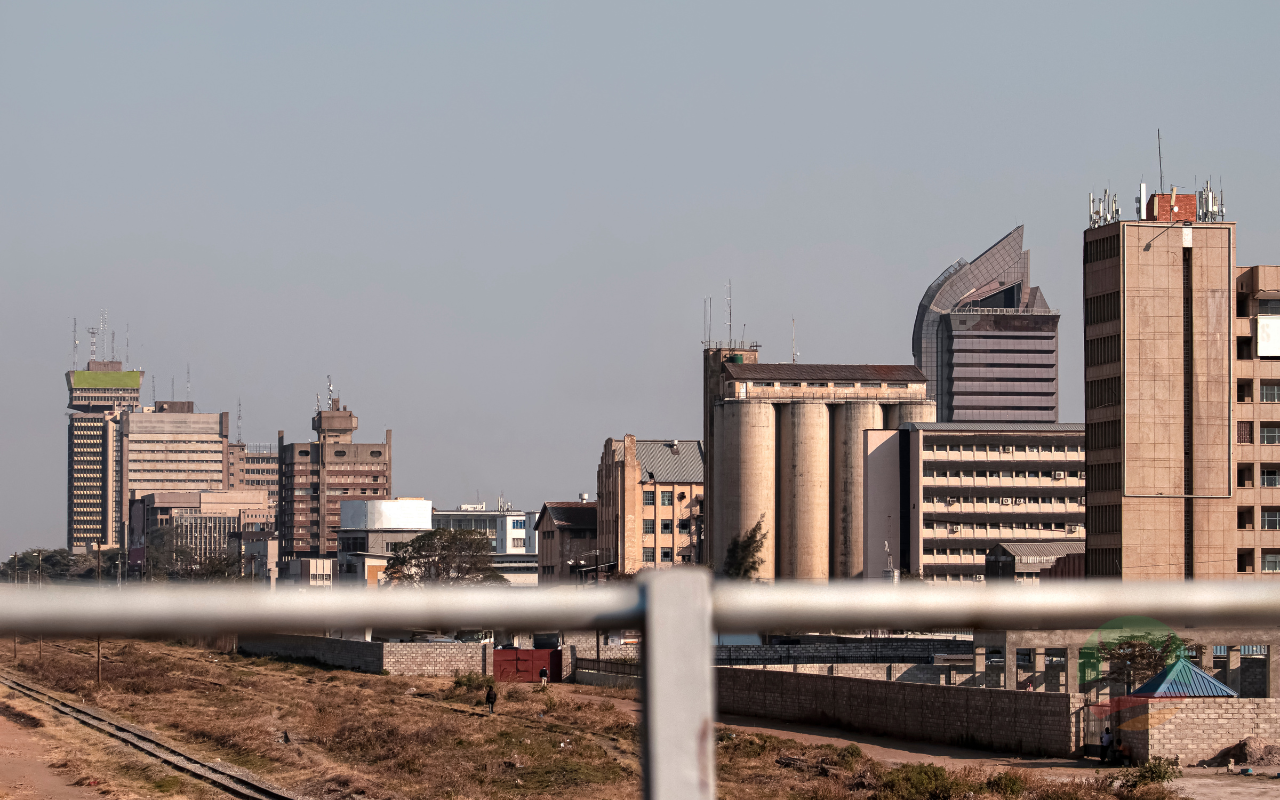
Photo: Chris LeBoutillierUnsplashUnsplash License
LUSAKA, 2 JUNE 2026—Updated 8 Jul 2026
Analysis
The European Union carbon border levy means Zambian copper now sits inside a wider trade debate about which exporters carry a clean grid and which carry a dirty one.
For Zambian exporters, the stakes turn on a single contrast. The bloc is starting to charge for the carbon embedded in imported goods. A clean power supply lowers that charge; a dirty one raises it. Zambia generates most of its electricity from hydro dams, so on paper the country starts the carbon-pricing era ahead of coal-reliant rivals. The catch sits in how reliably those dams deliver.
The mechanism is the Carbon Border Adjustment Mechanism, or CBAM. According to the European Commission, it puts a price on the emissions embedded in selected imports, so that goods made under a carbon price abroad face a charge comparable to the one paid by producers inside the bloc. The stated aim is to stop carbon-heavy production simply relocating to places with weaker climate rules.
A Daily Maverick wire on 1 June framed CBAM as a strategic problem for South African exporters, on the reasoning that a coal-dominated grid loads a heavy carbon figure onto anything made with that power. That framing is the natural starting point for a Zambian read, because the two economies sit side by side yet draw on very different power systems.
The upshot for Zambia is more favourable on the surface. Where a coal grid bakes carbon into every tonne of output, a hydro grid does not. Zambia's long-run reliance on hydroelectric generation gives its metals a structurally lower carbon figure than coal-heavy peers, all else equal — a point that matters whenever Zambia courts a buyer in a carbon-pricing market. The same logic runs through Kwacha News coverage of export market access, where the terms a buyer sets increasingly shape what producers earn.
What this means in practice is narrower than the headline suggests, for two reasons. The first is product scope. The European Commission lists the goods currently inside CBAM as iron and steel, aluminium, cement, fertiliser, electricity and hydrogen. Refined copper does not sit centrally in that initial list, so the near-term direct hit to Zambia's flagship export is limited. The risk is one of expansion rather than present coverage, and the two should not be confused.
The second reason is the gap between a clean grid on paper and a clean grid in practice. Zambia's hydro advantage holds only when the dams run full. Drought years cut hydro output and push the system toward load-shedding, and the diesel and back-up generation that fill the gap carry a far higher carbon figure per unit. The reliability of the grid, much of it routed through ZESCO, therefore sits at the centre of any carbon-intensity claim Zambia might make. Kwacha News has tracked that reliability question in coverage of the grid and ZESCO.
Put the two reasons together and the picture is double-edged. The hydro grid is a genuine asset in a carbon-pricing world, and the current product scope spares refined copper from a direct charge today. Yet the advantage is only as durable as the dams are full, and the scope is only fixed until the bloc widens it. The copper sector, whose output Kwacha News covered in the Q1 2026 production review, is the part of the economy with most to gain from a clean-grid story and most to lose from a scope expansion that arrives during a dry year.
The wider point is one of positioning. A carbon price on imports rewards producers that can prove a low-carbon supply chain and penalises those that cannot. That dynamic sits at the heart of Kwacha News's business and economy coverage, because it reframes value addition and decarbonisation as commercial questions rather than purely environmental ones.
Background
CBAM is the European Union's tool for pricing the carbon embedded in imported goods. The European Commission describes it as a measure that mirrors the carbon cost faced by producers inside the bloc, so that imported goods made without a comparable carbon price do not gain an unfair edge. The published product scope at present covers iron and steel, aluminium, cement, fertiliser, electricity and hydrogen, with refined copper outside that initial list.
The measure has moved through a transitional phase, under which importers reported embedded emissions before any charge applied, toward a phase in which a financial obligation attaches to those emissions. The exact pace and the precise list of covered goods remain matters for the bloc to set and revise. The direction of travel, on the Commission's own account, is toward a broader and firmer carbon price at the border over time rather than a one-off measure.
What to watch
What to watch is whether the product scope widens to draw in more metals, since an expansion is the route by which copper would move from an indirect concern to a direct charge. Two further signals matter alongside it. One is whether Zambia can turn a hydro-based, lower-carbon power supply into a documented selling point that buyers in carbon-pricing markets will pay for. The other is ZESCO reliability through the next dry season, because every spell of load-shedding and diesel back-up erodes the clean-grid claim that the country would otherwise be able to make.
The mechanism is designed to place a fair carbon price on the emissions embedded in selected imported goods, so that climate effort is not undercut by production shifting to economies with weaker carbon rules.
— Paraphrase of the European Commission's stated purpose, <a href="https://taxation-customs.ec.europa.eu/carbon-border-adjustment-mechanism_en">CBAM overview</a>
Snapshot: CBAM prices the carbon embedded in selected EU imports. Current scope — iron and steel, aluminium, cement, fertiliser, electricity, hydrogen — and refined copper is not centrally included today. Zambia's hydro grid is a low-carbon advantage versus coal-heavy peers; drought-driven load-shedding and diesel back-up erode it. The live risk is scope expansion, not present coverage.
Frequently Asked Questions
These are the questions Zambian exporters and observers have raised since CBAM moved into force. Short answers follow, drawn from the European Commission's published material and the Daily Maverick framing of the South African case.
What is the EU Carbon Border Adjustment Mechanism?
In short, CBAM is an EU measure that puts a price on the carbon embedded in selected imported goods. Research published by the European Commission shows the aim is to match the carbon cost faced by producers inside the bloc, so that imports made without a comparable carbon price do not gain an edge. The key point is that it is a charge tied to emissions, not a conventional tariff tied to value.
Does CBAM currently cover Zambian copper?
The answer, simply put, is no — not centrally, on the current scope. Data from the European Commission shows the goods covered at present are iron and steel, aluminium, cement, fertiliser, electricity and hydrogen, and refined copper sits outside that initial list. The live question for Zambia is therefore one of future scope expansion rather than present coverage.
How could Zambia's hydro grid be an advantage?
Evidence on grid carbon intensity demonstrates that hydroelectric power carries a far lower carbon figure than coal. In other words, metals produced on a hydro grid start with a structurally cleaner footprint than the same metals produced on a coal grid. Analysis of the carbon-pricing logic shows that a lower embedded-carbon figure is precisely what a border carbon price rewards.
Why does load-shedding undercut that advantage?
The answer is that the hydro advantage holds only when the dams run full. Data from past drought cycles reveals that low water cuts hydro output and forces load-shedding, and the diesel and back-up generation that fill the gap raise the effective carbon figure. The key is that grid reliability, much of it through ZESCO, decides whether the clean-grid claim survives a dry season.
What should Zambian exporters watch next?
Analysis of the mechanism shows three signals matter. The first is whether the product scope widens to draw in more metals, which is how copper would face a direct charge. The second is whether Zambia can document its low-carbon power as a selling point. The third, simply put, is ZESCO reliability, because every diesel-heavy spell weakens the case the country can make.
Sources
European Commission: Carbon Border Adjustment Mechanism overview and product scope. Daily Maverick: "Why Eskom's carbon intensity may become the biggest strategic challenge for South African exporters", 1 June 2026.
More on Business & Economy

Guinea bans raw gold exports as Africa pushes local refining
Guinea has banned raw gold exports and now demands local refining, African Business reported. For Zambia, whose copper still leaves largely unprocessed, the move sharpens a long-running question about where the value is captured.

Zambia cuts fuel prices again as shop prices stay high
Zambia's Energy Regulation Board cut pump prices for a third straight month in August 2026, but transport fares and food prices remain high and non-food inflation is rising.
The Kwacha News briefing.
Business, markets and the Zambian economy — in your inbox.

