

Withdrawals redraw Zambia's 13 August parliamentary ballot
From Miles Sampa's manoeuvring to a petition against more than 100 independents, the parliamentary field is being redrawn weeks before the vote.
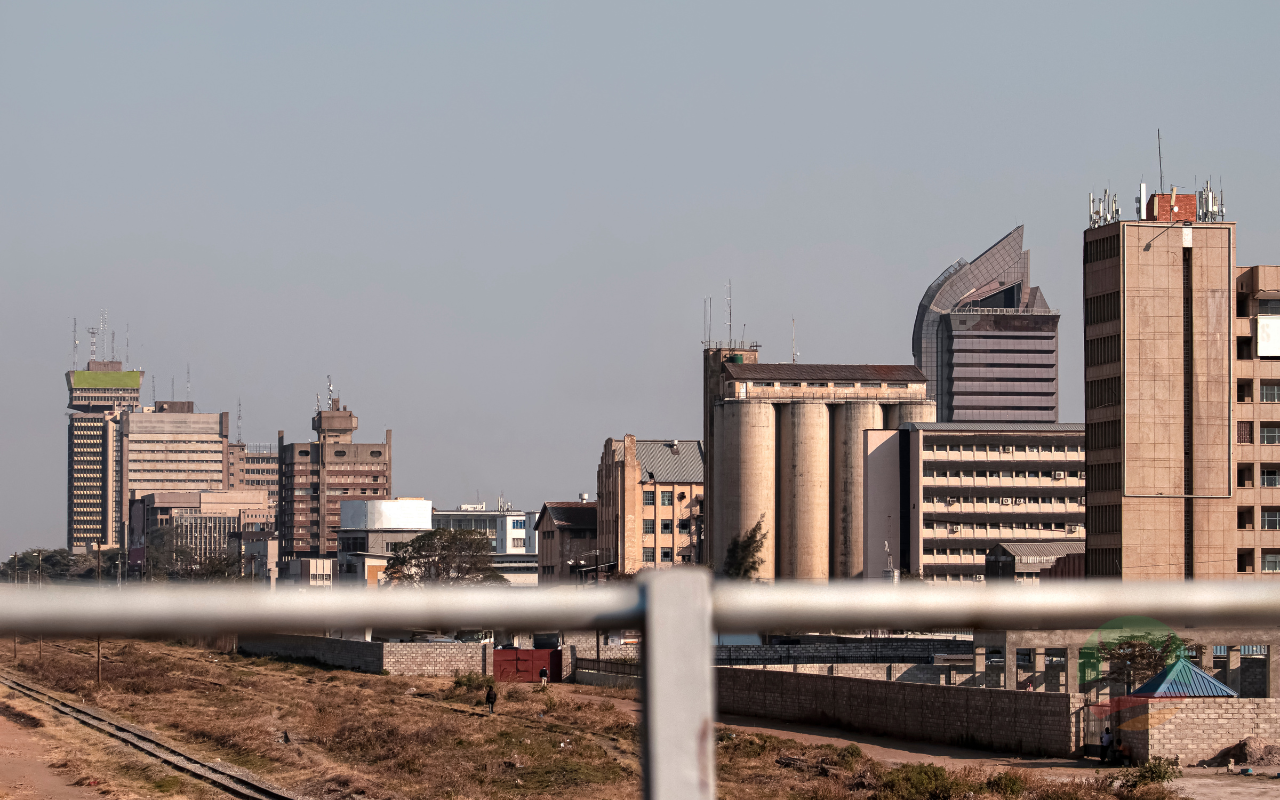
Photo: User:AréatwikipediaPublic domain
LUSAKA, 30 MAY 2026—Updated 8 Jul 2026
LUSAKA — Zambia's parliamentary field for the 13 August election is being redrawn by candidate withdrawals, factional realignments and court petitions weeks after nominations closed.
The churn matters because the National Assembly contest, not the presidency, is where the 2026 race is most fluid. With 14 candidates already validly nominated for the presidential ballot and President Hakainde Hichilema of the United Party for National Development (UPND) the clear front-runner, the harder questions sit in the 226 constituencies where seats, alliances and the shape of the next Parliament are still in play. Every withdrawal, defection or disqualification petition shifts who appears on the ballot voters will mark on 13 August.
At a glance: Zambia's general election is set for 13 August 2026. The Electoral Commission of Zambia puts the register at 8,786,300 voters across 226 constituencies, 116 districts and 1,858 wards in 10 provinces. Candidate withdrawals and switches to independent bids are reshaping the National Assembly field; under Article 51 of the Constitution, a nomination withdrawn after the deadline cannot be refilled.
A field in flux after nominations
The Electoral Commission of Zambia (ECZ) closed presidential nominations on Friday 22 May with 14 candidates validly nominated, among them Hichilema, Harry Kalaba of Citizens First and Fred M'membe of the Socialist Party. The parliamentary, mayoral and council nominations ran alongside the presidential filing window, leaving thousands of aspirants competing across the Commission's published map of 226 constituencies, 116 districts, 1,858 wards and 10 provinces, on a register of 8,786,300 voters, figures set out on the Commission's website.
Withdrawal is built into that process. The ECZ's nomination rules state that a candidate, or an election agent appointed by a candidate, may withdraw the nomination papers in writing at any time before the close of the nomination period. The same rules require parliamentary aspirants to be at least 21, registered voters with a Grade 12 certificate and the support of 15 registered voters in the constituency they contest. The Kwacha News guide to the ECZ campaign timetable for the 13 August election sets out the wider schedule the field must now run against.
Sampa and the Patriotic Front
No figure illustrates the realignment more sharply than Miles Sampa. The former Lusaka mayor and Matero Member of Parliament has spent the cycle at the centre of the Patriotic Front's leadership split, the dispute that has fractured the former ruling party since its 2021 defeat. On 1 May 2025 Sampa stepped down from the PF presidency he had claimed in October 2023, reuniting his faction with the camp loyal to former president Edgar Lungu.
His positioning has kept shifting since. After endorsing Chitalu Chilufya as a PF presidential pick, Sampa announced on 18 May 2026 that his faction of the Patriotic Front would not field a presidential candidate in the 2026 general election, a decision that removed one of the country's oldest party brands from the top of the ballot. Sampa then opted to stand for the National Assembly as an independent in the newly created Lima constituency, carved from his former Matero seat, rather than defend Matero under any party banner. The deeper context is set out in the Kwacha News analysis of opposition fragmentation and the fifty-plus-one threshold.
The Patriotic Front, weakened by factionalism since its 2021 electoral defeat, now faces an acute leadership crisis.
— Zenge Simakoloyi and David Willima, <a href="https://issafrica.org/iss-today/lungu-s-death-and-the-perils-of-a-weak-opposition-in-zambia">Institute for Security Studies, 11 June 2025</a>
The independents question
A second front is opening in the courts. A petition has been lodged at the High Court seeking to disqualify more than 100 independent parliamentary candidates, on the argument that they were still members of the UPND or the Patriotic Front when they filed, in breach of the constitutional bar on independents holding party membership. Article 51 of the Constitution of Zambia requires that a person standing as an independent for the National Assembly is not a member of, and has not recently been a member of, a political party, a rule reproduced in the 2016 amendment to the Constitution.
Whether those petitions succeed or fail, they hang over a sizeable bloc of the parliamentary field until the courts rule. For voters, the practical effect is the same as a withdrawal: names that appeared at nomination may not appear on the printed ballot. The Commission, for its part, has been extending and adjusting its own timetable, including the nomination arrangements covered in the Kwacha News report on how the ECZ extended the nomination window for MPs and mayors.
Background
Zambia votes on 13 August 2026 to choose a president, members of the National Assembly, council chairpersons and councillors. The opposition enters the contest fractured. The Constitutional Court disqualified Edgar Lungu from standing on 10 December 2024, ruling that his earlier term counted as a full term; Lungu died on 5 June 2025 at the age of 68, removing the figure who had held the Patriotic Front's competing camps together. The party and a number of fellow opposition parties had formed the Tonse Alliance in November 2024 with the goal of unseating the UPND.
Analysis by the Institute for Security Studies describes three camps competing for control of the Patriotic Front without Lungu's moderating influence, built around Miles Sampa, former justice minister Given Lubinda and Robert Chabinga, with Makebi Zulu emerging as a further faction figure. The same analysis judges that Hichilema's UPND holds a clear edge amid that disunity, even as the president faces criticism over governance and civic space. President Hichilema's own filing is tracked in the Kwacha News account of how Hichilema filed as presidential nominations closed.
What to watch
The next decision points are procedural and judicial. The courts must determine the nomination petitions, including the challenge to the independents, before the ECZ certifies the final ballot, and any further withdrawals must be lodged with the Commission in writing within its timetable. Each ruling and each late withdrawal can redraw the choice in individual constituencies. The Commission's certification of the parliamentary ballot is the moment the field finally settles for 13 August. This story is part of Kwacha News's continuing politics coverage of the 2026 general election.
Frequently Asked Questions
These are the questions readers are asking as Zambia's parliamentary field shifts ahead of the 13 August election. Short answers follow, drawn from the Electoral Commission of Zambia, the Constitution and published analysis.
What is happening to Zambia's parliamentary candidates?
In short, the field is being reshaped by withdrawals, realignments and court petitions after nominations closed. Data from the Electoral Commission of Zambia shows the contest spread across 226 constituencies, and analysis of the post-nomination period reveals that some candidates have changed party status while others face disqualification challenges before the ballot is certified.
Why is Miles Sampa significant in this cycle?
The answer is that Sampa sits at the centre of the Patriotic Front's split. Evidence from his record shows the former Lusaka mayor and Matero MP announced on 18 May 2026 that his faction would not field a presidential candidate, and research on the party's collapse reveals that his manoeuvring, including a move to stand as an independent in the new Lima constituency, tracks the wider fragmentation of Zambia's opposition.
How does a candidate withdraw from a Zambian election?
Simply put, the rules require a written withdrawal. According to the Electoral Commission of Zambia, a candidate or an appointed election agent may withdraw the nomination papers in writing at any time before the close of the nomination period, and data from the Commission shows the same procedure applies at presidential, parliamentary, mayoral and council level.
What is the rule on independent candidates?
The key is party membership. Analysis of Article 51 of the Constitution shows that an independent candidate for the National Assembly must not be a member of a political party, and a petition before the High Court argues, according to its filing, that more than 100 independents breached that requirement, evidence that could remove names from the final ballot.
Who is favoured in the 13 August election?
In other words, the incumbent. Research by the Institute for Security Studies found that President Hakainde Hichilema's UPND holds a clear edge amid opposition disunity, and data from the Electoral Commission of Zambia shows Hichilema among the 14 validly nominated presidential candidates on the 13 August ballot.
Sources
Electoral Commission of Zambia: commission homepage (register, constituency and ward figures) and candidate nominations page (withdrawal and eligibility rules). Constitution of Zambia: 2016 Amendment Act, Article 51. Institute for Security Studies: Lungu's death and the perils of a weak opposition in Zambia (Zenge Simakoloyi and David Willima, 11 June 2025). Wikipedia: 2026 Zambian general election and Miles Sampa.
More on Politics

Hichilema wins Zambia's 2026 election for a second term
Zambia's Electoral Commission has declared Hakainde Hichilema president-elect for a second term with about 61 per cent of the vote, over Brian Mundubile's 38 per cent, as the opposition rejects the count.

Press freedom groups urge Zambia to keep the internet on
The Committee to Protect Journalists and the #KeepItOn Coalition urged Zambian authorities and telecoms operators to keep internet access open through the 13 August election, as Amnesty International called for a detained journalist's release.
The Kwacha News briefing.
Business, markets and the Zambian economy — in your inbox.

