

ECZ sets campaign timetable for 13 August Zambia election
The Commission says its schedule, running 23 May to 12 August, will give all 14 presidential candidates equal access to constituencies.
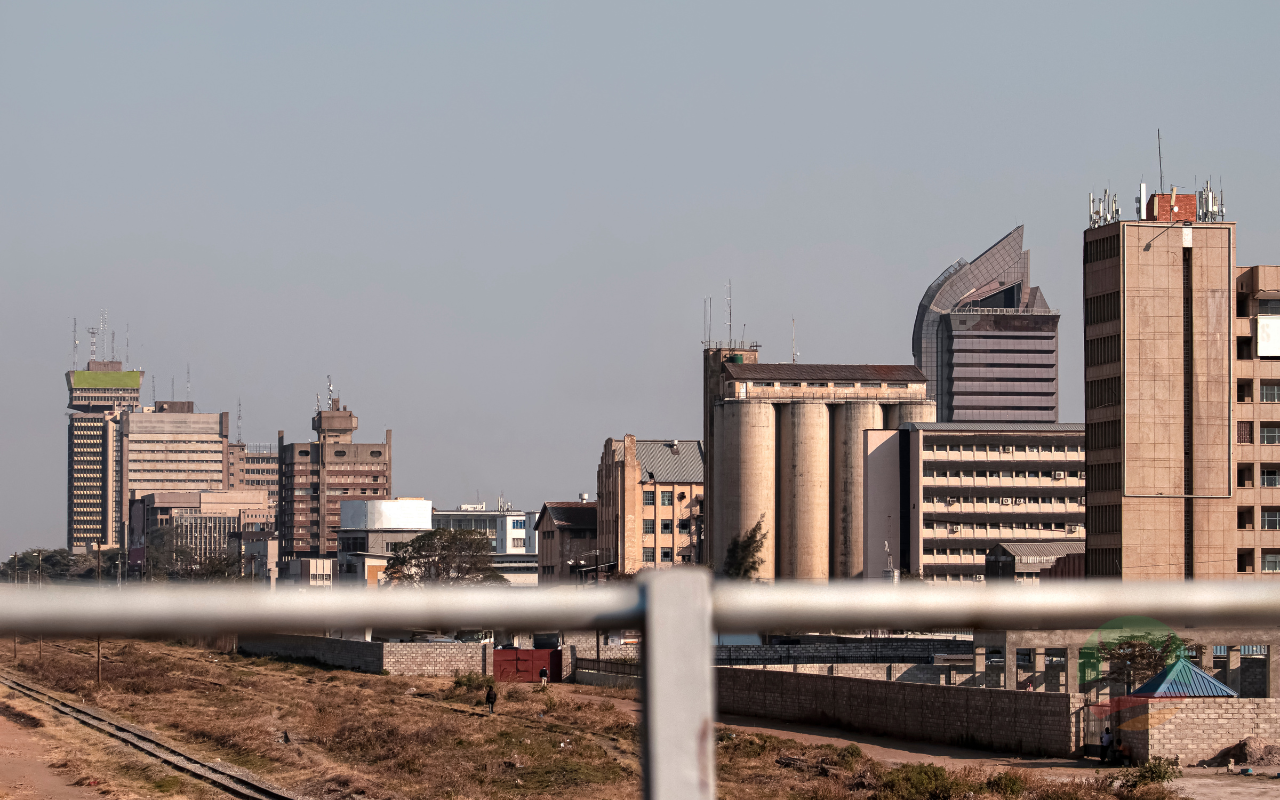
Photo: Kondwani123Wikimedia CommonsCC BY-SA 4.0
LUSAKA, 28 MAY 2026—Updated 8 Jul 2026
LUSAKA — The Electoral Commission of Zambia (ECZ) is requiring all political parties to align their campaign programmes with a constituency-level timetable for the 13 August general election.
The Commission said in a statement this week that the campaign window will run from 23 May to 12 August and is meant to give all 14 presidential candidates equal access to constituencies.
The campaign timetable, which runs from 23 May to 12 August, is the operational rulebook for an 82-day stretch that decides how 14 presidential candidates — and the parliamentary, mayoral and council aspirants under them — get airtime, rally venues and movement across Zambia's 10 provinces. It is also the instrument the Commission will use to enforce parity between the incumbent and his challengers.
The Commission said the schedule was developed for all political parties contesting at constituency level, and that presidential candidates will be required to align their campaign programmes with schedules prepared in respective constituencies and districts. The arrangement follows agreements reached with stakeholders during a meeting held in April.
ECZ Chairperson Mwangala Zaloumis has previously committed the Commission to a more transparent process for 2026, pointing to reforms designed to improve the integrity of polling day. The campaign timetable sits inside the wider Commission roadmap published on the ECZ website, which also carries the full 2026 elections timetable and the Electoral Process Amendment Bill, 2026.
Fourteen candidates are on the presidential ballot, the Commission having closed nominations on Friday 22 May. The field is led by incumbent President Hakainde Hichilema of the United Party for National Development (UPND), alongside Harry Kalaba of Citizens First, Fred M'membe of the Socialist Party, Brian Mundubile of the National Restoration Party for Unity and Prosperity, and Howard Kunda of the Zambia Wake Up Party, among others. Hichilema's running mate is Vice President Mutale Nalumango — Kwacha News has tracked the field in its rolling coverage of the presidential nominations close.
The Commission has also moved into the next procedural phase. Determination of nomination petitions by the courts opened for presidential elections on Tuesday 26 May, with the Mayoral, Council Chairperson and Councillor petition windows running from Thursday 28 May to Thursday 18 June, according to the published timetable.
Background
Zambia's 13 August general election is the first national vote since the country completed its sovereign-debt restructuring under the G20 Common Framework — a process that reshaped the fiscal terrain on which the next government will operate. The election period therefore carries both political and economic weight: the policy direction set in the campaign will shape how Zambia handles the next phase of growth, the IMF programme and the pace of public investment.
The Commission has been tightening its operational footprint in the months before the vote. It has launched an online voter-verification platform, certified the register of voters, and clarified rules around campaign regalia in the Chawama parliamentary and Kasama mayoral by-elections — moves the Commission has framed as part of a wider electoral-reform package. Readers wanting the underlying rules can refer to the Kwacha News explainer of what Zambia's Electoral Code of Conduct bans and the rolling ECZ report on peaceful Muchinga nominations as the campaign opened.
The campaign timetable also lands against a backdrop of concern about political violence — concerns the Non-Governmental Organisations Coordinating Council (NGOCC) has raised in connection with the participation of women candidates. Research from NGOCC shows political violence as one of the structural barriers keeping women out of contests, evidence that has shaped the Commission's emphasis on equal access and constituency-level scheduling.
The Commission has developed a campaign timetable for all political parties taking part in the 2026 General Election at constituency level, aimed at providing a fair and equal platform for all candidates contesting in the August 13 General Election.
— Electoral Commission of Zambia, <a href="https://www.elections.org.zm/">statement, 26 May 2026</a>
What to watch
The first test of the timetable comes immediately. Courts are now hearing nomination petitions for the presidential race, with the parallel mayoral and councillor windows opening on 28 May. The Commission has committed to publishing the constituency schedules so all parties can plan rallies and meetings around them; the discipline with which those schedules are followed — and the Commission's readiness to enforce them — will set the tone for the rest of the campaign. The next decision point is the close of the presidential petition window and the certification of the final ballot, expected before polling day on 13 August.
The arithmetic of the calendar is tight. Court determination of the presidential nomination petitions has 79 days to run before polling day, and the mayoral and councillor petition windows close on 18 June — leaving roughly eight clear weeks of unbroken constituency-level campaigning before the cut-off. The Commission has signalled that breaches of the constituency schedules will be enforced through its monitoring framework, which the ECZ developed with stakeholders in April. The campaign timetable is also expected to interlock with the Electoral Code of Conduct, the Commission's online voter-verification platform and the certified register of voters — together making up the operational stack that runs the 13 August election. Parties have been on notice since the timetable's release on Tuesday 26 May that constituency programmes are not optional.
This story is part of Kwacha News's continuing politics coverage of the 2026 general election.
Key dates: presidential nominations closed 22 May. Campaign period 23 May to 12 August. Court determination of presidential petitions opened 26 May. Mayoral and councillor petition windows: 28 May to 18 June. Polling day: 13 August.
Frequently Asked Questions
These are the questions readers have been asking since the ECZ released its campaign timetable. Short answers follow, drawn from the Commission's statement and the published 2026 elections timetable.
What is the ECZ campaign timetable?
In short, the campaign timetable is a constituency-level schedule for political party campaign activities ahead of the 13 August general election. The answer, simply put, is that the Commission has set out when and where parties may hold rallies and meetings in each constituency. The key is parity — every candidate is meant to receive equal access to the same venues and slots.
When does the campaign period run?
Research from the Electoral Commission of Zambia shows the campaign period runs from Saturday 23 May to Wednesday 12 August. Data from the published 2026 elections timetable reveals the same window applies to presidential, parliamentary, mayoral and councillor races. The answer is that all campaigning ends at midnight on 12 August, the day before polling.
How does the timetable differ from the 2021 cycle?
According to ECZ Chairperson Mwangala Zaloumis, the 2026 cycle is built on stakeholder agreements reached in April. Evidence from the Commission's reform package reveals a heavier emphasis on constituency-level scheduling and the integration of an online voter-verification platform. The answer is that the timetable is meant to be a tighter operational instrument than in previous cycles.
Who is on the presidential ballot?
The presidential ballot carries 14 candidates. In other words, the field reaches from the incumbent — President Hakainde Hichilema of the UPND — through Harry Kalaba of Citizens First, Fred M'membe of the Socialist Party, Brian Mundubile of the NRPUP and Howard Kunda of the Zambia Wake Up Party, among others. The Commission closed nominations on 22 May.
What happens between now and polling day?
Analysis of the Commission's timetable demonstrates three durable phases. Court determination of nomination petitions runs from 26 May for the presidential race and from 28 May to 18 June for mayoral, council chairperson and councillor races. Constituency-level campaigning then continues into August. Evidence from the published schedule reveals 12 August as the campaign cut-off and 13 August as polling day.
Sources
Electoral Commission of Zambia: commission homepage and 2026 elections timetable (PDF). Electoral Process Amendment Bill, 2026: ECZ document. Wikipedia: 2026 Zambian general election.
More on Politics

Hichilema wins Zambia's 2026 election for a second term
Zambia's Electoral Commission has declared Hakainde Hichilema president-elect for a second term with about 61 per cent of the vote, over Brian Mundubile's 38 per cent, as the opposition rejects the count.

Press freedom groups urge Zambia to keep the internet on
The Committee to Protect Journalists and the #KeepItOn Coalition urged Zambian authorities and telecoms operators to keep internet access open through the 13 August election, as Amnesty International called for a detained journalist's release.
The Kwacha News briefing.
Business, markets and the Zambian economy — in your inbox.

