

Hichilema files as Zambia's presidential nominations close
Presidential nominations for the 13 August general election close on 22 May at Mulungushi, with President Hakainde Hichilema filing alongside a fragmented opposition. Here is the field and what comes next.
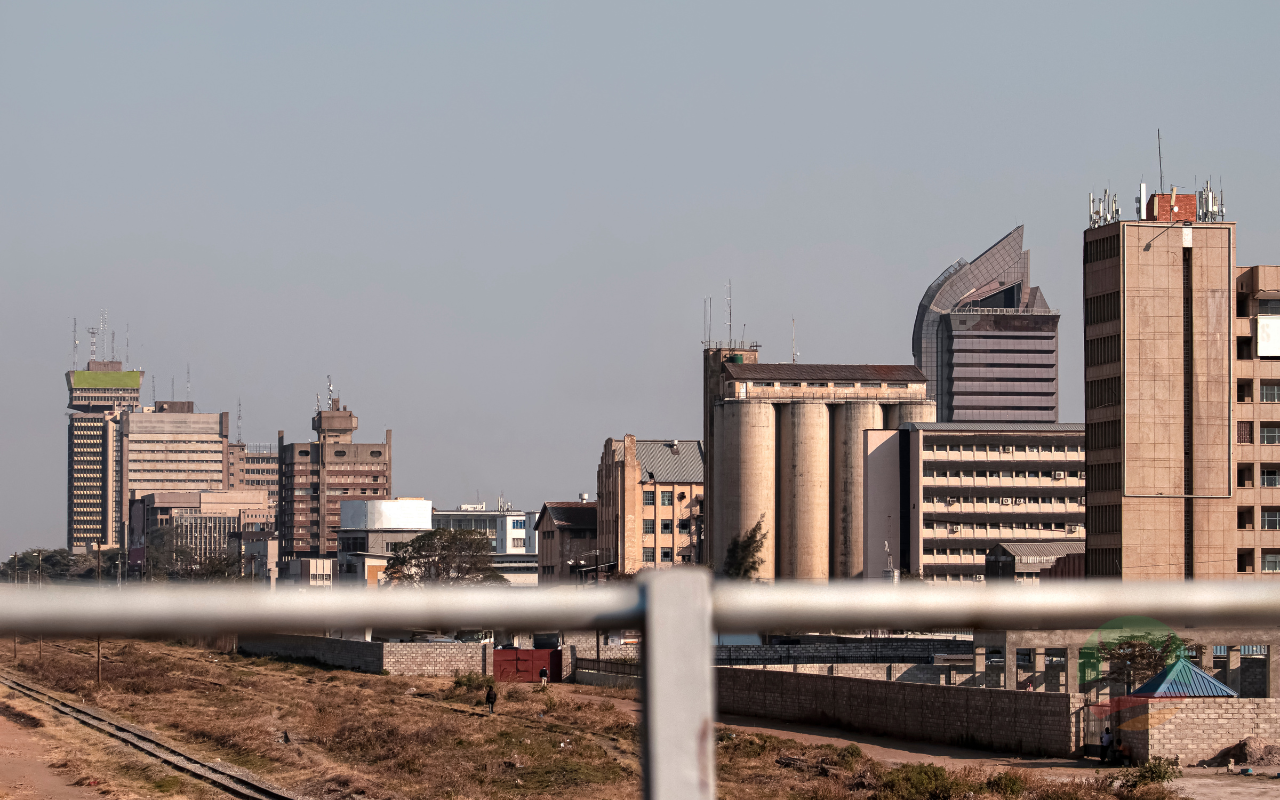
Photo: ZANISzanisGovernment of Zambia — editorial use
LUSAKA, 22 MAY 2026—Updated 8 Jul 2026
LUSAKA — President Hakainde Hichilema is among the candidates filing nomination papers on Friday, the final day of Zambia's five-day presidential window before the 13 August general election.
Nominations for the presidential ballot opened at the Mulungushi International Conference Centre in Lusaka on Monday and close on 22 May, the deadline that fixes who appears on the ballot. The Electoral Commission of Zambia (ECZ) receives each candidate's papers, verifies them against the Constitution and the Electoral Process Act, and declares each aspirant either validly nominated or rejected. Hichilema files as the incumbent, having won the presidency in 2021.
Who is on the ballot
Hichilema, who leads the United Party for National Development (UPND), filed with Vice-President Mutale Nalumango again named as his running mate. The Constitution requires every presidential candidate to name a running mate at nomination, so a presidential ticket is filed as a single pair.
Several opposition leaders filed during the same window. Harry Kalaba, the Citizens First president, filed earlier in the week. Fred M'membe of the Socialist Party filed under the People's Pact banner. The Electoral Commission of Zambia also cleared Brian Mundubile, the Tonse Alliance candidate running on the Forum for Democracy and Development ticket, and Makebi Zulu, who leads a Patriotic Front faction.
Given Katuta Mwelwa, a former member of parliament, filed as an independent. The Commission rejected at least one nomination, declaring an aspirant not validly nominated under Article 100 of the Constitution on eligibility grounds. The data shows the validated field will be far smaller than the long list of aspirants who first expressed an interest in standing.
A candidate is validly nominated only when the nomination papers meet every requirement of the Constitution and the Electoral Process Act; otherwise the nomination is rejected.
— Position consistent with the Electoral Commission of Zambia's nomination requirements under the Electoral Process Act
What the rules require
Article 100 of the Constitution sets the bar for the presidency. A candidate must be a Zambian citizen by birth or descent, at least 35 years old, hold a minimum academic qualification, and be supported by registered voters in each of the country's ten provinces. The requirement to show support across all ten provinces is what makes a national campaign structure essential before nomination — Kwacha News has explained the ten-province rule in detail.
Money is also part of the test. Each presidential aspirant pays a nomination fee set by the Commission, and the running-mate rule means the ticket is filed as a pair. Research into past Zambian cycles shows nomination day is where weakly organised campaigns fall away, because the provincial-support and documentation requirements are demanding.
The presidency is decided under the 50%-plus-one rule. A candidate must win more than half of valid votes cast to be elected in the first round; if none does, the two leading candidates go to a run-off. Kwacha News has set out how the 50%+1 system works.
Zambia's 2026 presidential nominations — the essentials
Nomination window: 18–22 May 2026 · Venue: Mulungushi International Conference Centre, Lusaka · Election day: 13 August 2026 · Incumbent: President Hakainde Hichilema (UPND), running mate Mutale Nalumango · Threshold to win: more than 50% of valid votes, or a run-off · Next step: the ECZ publishes the validated list of presidential candidates
Background
Hichilema won the presidency in 2021 at his sixth attempt, defeating then-incumbent Edgar Lungu. A first term centred on a debt-restructuring programme and a return to macroeconomic stability — a record the president has said will survive the vote, according to an interview with Daily Maverick. The opposition enters the race fragmented across competing alliances, among them the Tonse Alliance, the People's Pact and the Citizens First Orange Alliance.
The contest is shaped by absence as much as presence. Lungu, declared ineligible to stand again in December 2024, died in 2025, removing the figure who had been Hichilema's main rival. An opinion poll cited during the campaign put Hichilema's support near 60%, though Zambian races have tightened before between nomination and polling day.
Frequently Asked Questions
These are the questions Zambian readers have been asking as presidential nominations close. Short answers follow, drawn from the Constitution, the Electoral Process Act and the Electoral Commission of Zambia.
When do Zambia's presidential nominations close?
In short, the window closes on 22 May 2026. The answer is that nominations ran for five days at the Mulungushi International Conference Centre in Lusaka, after which the Electoral Commission of Zambia publishes the validated list. The key is that no candidate can join the ballot after the deadline.
Who is standing in the 13 August election?
Simply put, President Hakainde Hichilema is seeking re-election for the UPND, with several opposition leaders also filing. According to the Electoral Commission of Zambia, those cleared include Harry Kalaba, Fred M'membe, Brian Mundubile and Makebi Zulu, alongside the independent candidate Given Katuta Mwelwa.
What does a candidate need to be validly nominated?
The key is Article 100 of the Constitution. Evidence from the rules shows a candidate must be a citizen by birth or descent, at least 35, academically qualified, and nominated by voters in all ten provinces. Data from past cycles shows these requirements thin the field on nomination day.
How is the Zambian president elected?
The answer is the 50%-plus-one rule. In other words, a candidate must win more than half of valid votes to take the presidency in the first round; otherwise the top two contest a run-off. Analysis of the 2016 and 2021 results shows the threshold has been decisive before.
What happens after nominations close?
In other words, the campaign period opens. Research into the electoral calendar shows the Commission publishes the final candidate list, campaigning then runs under the Electoral Code of Conduct, and the vote follows on 13 August. The data shows the gap is just under three months.
What to watch
Two signals. The first is the Electoral Commission of Zambia's publication of the validated list of presidential candidates, which confirms the final field and settles any dispute over a rejected nomination. The second is the opening of the campaign period, when the Electoral Code of Conduct takes effect and the contest moves from paperwork to the provinces.
Sources
Electoral Commission of Zambia: candidate nomination information and the nomination requirements page. Constitution of Zambia (Amendment) Act No. 2 of 2016, Articles 100 and 101. Daily Maverick: interview with President Hichilema on his reform record. Kwacha News earlier coverage: the nomination window opens, the nomination process explained, and the 50%+1 rule.
More on Politics

Hichilema wins Zambia's 2026 election for a second term
Zambia's Electoral Commission has declared Hakainde Hichilema president-elect for a second term with about 61 per cent of the vote, over Brian Mundubile's 38 per cent, as the opposition rejects the count.

Press freedom groups urge Zambia to keep the internet on
The Committee to Protect Journalists and the #KeepItOn Coalition urged Zambian authorities and telecoms operators to keep internet access open through the 13 August election, as Amnesty International called for a detained journalist's release.

The burial row that made the Zambian election a contest
Edgar Lungu died in June 2025 and was not buried for more than a year while his family and the Zambian state fought through the South African courts. The dispute shadowed the campaign and, the BBC reported, turned an expected walkover into a contest.
The Kwacha News briefing.
Business, markets and the Zambian economy — in your inbox.