

Six decades on, Zambia confronts a quieter racism
Zambians tell the BBC that subtle, everyday discrimination persists despite the country's pan-African founding ideals. The government denies a problem.
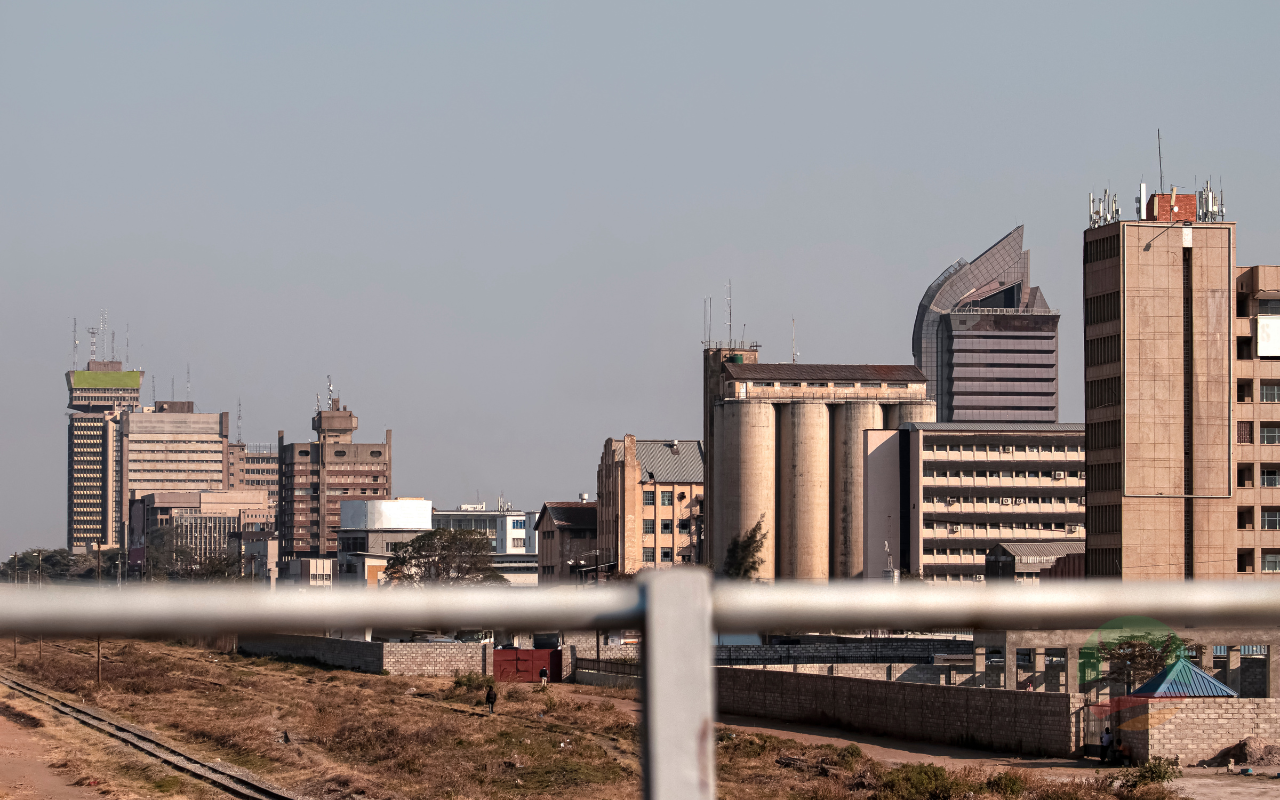
Photo: Unknown photographerwikidataPublic domain
LUSAKA, 24 APRIL 2026—Updated 8 Jul 2026
LUSAKA — Zambia, a country that prides itself on being at the forefront of African nationalism, is confronting accounts from its own citizens that racism remains a problem more than 60 years after independence from the United Kingdom.
The BBC's reporting, published in April, sets out a series of accounts from Zambians who say discrimination — rarely overt — surfaces in restaurants, in rental housing and in hiring. The government denies that racism is a problem in the country.
Alexander Bwalya, a black Zambian who asked the BBC not to use his real name, said he found it "very strange" that people could "live in an African country and be racist to black people". He recounted being told a bottle of wine was out of stock at a Lusaka bar before the same bottle was offered to a white family that arrived after him.
When we complained to the manager, we were told: 'If you don't appreciate the service, you're more than welcome to leave.'
— Alexander Bwalya, recalling the exchange to the BBC
Bwalya said the white manager directed a racial slur at his friend. He did not report the matter to the police, he told the BBC, because he believed it would not be taken seriously.
Six decades earlier, Kenneth Kaunda — a central figure in the fight against colonial rule across the continent — became Zambia's first president. Prior to independence in 1964, black Zambians had to carry passes restricting their movement, schools and hospitals were segregated, and high-paid mining jobs in the copper-rich country were reserved for white workers.
Kaunda's "Zambianisation" policy replaced white executives in key industries with black ones. He rallied behind independence movements and the end of white-minority rule in neighbouring countries. In his first presidential press conference, he described Zambia's task as "building a nation founded on respect for all people of all races, all colours and all religions".
A 2019 report from a UN human rights committee found that, like other post-colonial societies, Zambia had "struggled with how to prevent and eliminate the racial and class inequalities left by the colonialists". Ethnic minorities — including white Zambians, Indians, Chinese and Arabs — now make up roughly 9% of the population, the BBC reports.
Background
In January 2026, a Zambia-based worker from employment firm Recruitment Matters posted a sales-and-marketing job advert that read, in capital letters: "THIS ROLE IS CURRENTLY NOT OPEN TO ZAMBIAN NATIONALS; WE ARE LOOKING FOR EXPATS OR FOREIGN RESIDENTS IN ZAMBIA". The advert was widely shared on social media. The employee apologised and the firm told the BBC the wording "did not meet our standards" and that Recruitment Matters operates a "non-discriminatory, skills-based recruitment policy".
Marketing professional Omar Chanshi, 37, told the BBC: "There are contracts and systems and a lot of opportunities that we just don't have access to as locals. Forget trying to show whether you are the best or most qualified person, you just don't have access."
Victoria Phiri Chitungu, historian and director of the Livingstone Museum, told the BBC that Kaunda's anti-discrimination message may have pushed the issue "below the surface" rather than ending it. "People started conforming to behave in ways that would not show racism. That doesn't mean that it's now absent," she said.
Property manager Malama Muleba said racism was not a "big issue" in Zambia overall but admitted it surfaces in his sector. "If a person's skin colour is white, people look at it, they see stability," he told the BBC.
What to watch
Chitungu and fellow historian Chanda Penda acknowledge that Zambia is not alone — they have witnessed worse discrimination in South Africa, where inequality remains rampant more than 30 years after apartheid. The conversation in Zambia, both say, is slowly becoming more common; whether it produces public data, policy or a renewed Zambianisation-style framework is the open question.
Frequently Asked Questions
These are the questions readers have been asking since the BBC report ran. Short answers follow, drawn from the BBC reporting and the historians it cites.
What does the BBC's Zambia race report say?
In short, BBC journalist Wedaeli Chibelushi reports that Zambians describe subtle discrimination in housing, hospitality and recruitment, despite the country's pan-African founding under Kenneth Kaunda. The key is that the bias is rarely overt — and the government denies it exists.
Who was Kenneth Kaunda and what was Zambianisation?
The answer is that Kaunda was Zambia's first president, in office from 1964. His Zambianisation policy replaced white executives in key industries with black Zambians, and he rallied behind African independence movements across the region.
Is there official data on racial inequality in Zambia?
Simply put, no. The BBC notes there is no public official dataset on racial inequality; reporting relies on anecdotal accounts and social-media discussion. Research from a 2019 UN human rights committee report found that Zambia, like other post-colonial societies, had struggled with inequalities left by colonialism.
What was the Recruitment Matters incident?
According to the BBC, in January 2026 a Recruitment Matters worker posted a job advert specifying the role was not open to Zambian nationals. Analysis of the social-media response shows the advert was widely condemned. The employee apologised and the firm said the wording "did not meet our standards".
What share of Zambia's population is non-black?
In other words, the BBC reports that ethnic minorities — white Zambians, Indians, Chinese and Arabs — make up roughly 9% of the population. At the height of colonisation, white people made up less than 2%.
Sources
BBC News: A nation built on pan-African principles faces questions about racism, 24 April 2026 (by Wedaeli Chibelushi).
More on Africa/World

TAZARA at 50: Zambia weighs two routes to the sea
As TAZARA turns 50, landlocked Zambia is weighing two rival routes for its copper: east to the Indian Ocean via a rebuilt TAZARA, or west to the Atlantic via the Lobito Corridor.

African leaders back trade insurer ATIDI after record year
African leaders endorsed ATIDI — the pan-African insurer Zambia belongs to — as a cornerstone of a new African-led financial architecture, as the body marked 25 years with record 2025 results and a call to recapitalise it to US$2 billion.

Railway revival sweeps Southern Africa as Zambia eyes TAZARA
South Africa's freight-rail reforms, the Lobito Corridor and a revived TAZARA line are redrawing Southern Africa's transport map, as President Hichilema pledges a further $1.6 billion recapitalisation of the Tanzania-Zambia railway.
The Kwacha News briefing.
Business, markets and the Zambian economy — in your inbox.