

Zambia's 13 August race: the 14 candidates and the rules
An explainer on who is on the presidential ballot and the constitutional and legal framework that will decide the 2026 contest.
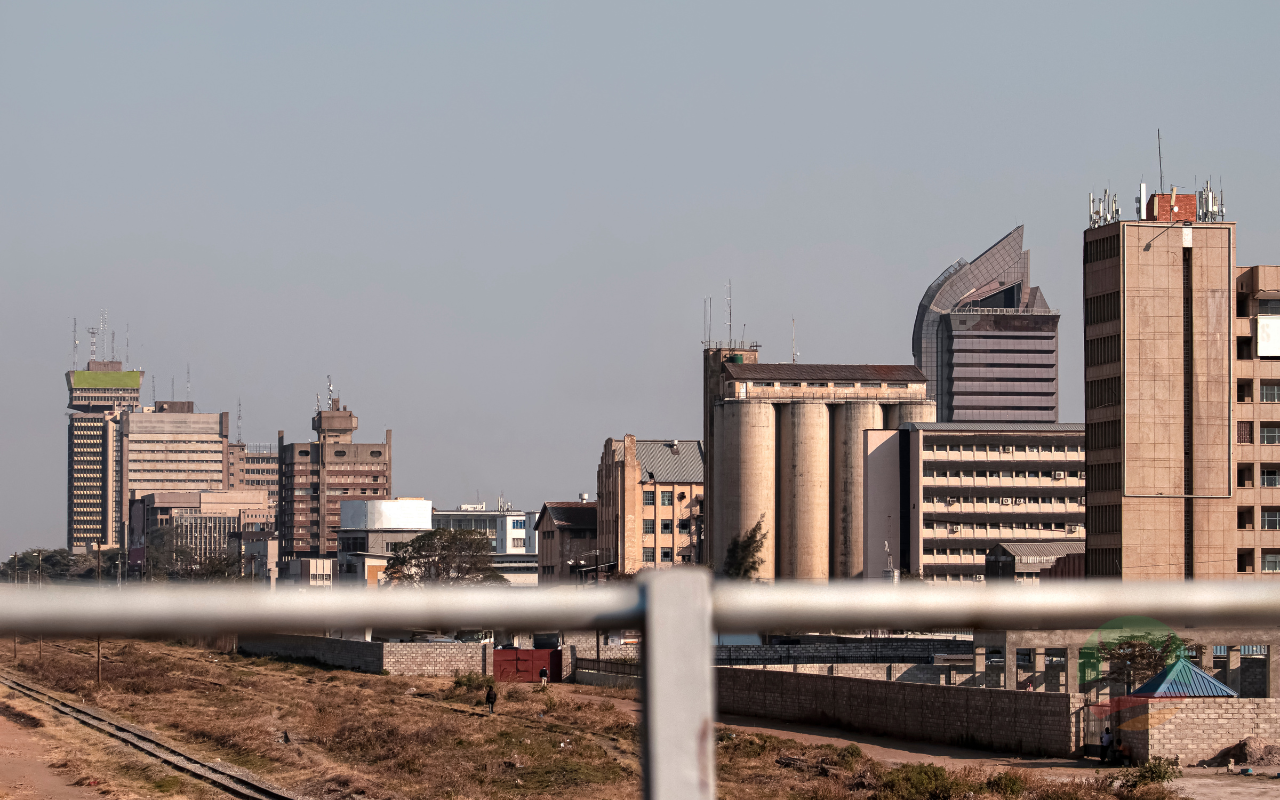
Photo: ZANISzanisGovernment of Zambia — editorial use
LUSAKA, 22 JUNE 2026—Updated 8 Jul 2026
Analysis
LUSAKA — Zambia's 13 August 2026 presidential race is a 14-candidate contest decided under a 50%-plus-one rule, with a run-off if no candidate clears that threshold at the first ballot.
The stakes are national. The presidential ballot sets the direction of economic policy, the kwacha and the fiscal choices that reach every Zambian household, which is why the field and the framework deserve a clear reading. This explainer is part of Kwacha News's continuing politics coverage.
The polling date is fixed. The Electoral Commission of Zambia (ECZ) has confirmed 13 August 2026 as the day Zambians vote for president, members of the National Assembly and local councillors in a single general election.
The presidential rule is the decisive one. The ECZ's account of the electoral system states that to win outright a candidate must receive more than fifty percent of the valid votes cast; where no candidate does so at the first ballot, a second ballot is held within thirty-seven days between the top two candidates.
The field is unusually large. The Institute for Security Studies (ISS Africa) records that the ECZ registered a record 26 presidential candidates for the 2026 poll, of whom 14 were approved as validly nominated — including incumbent President Hakainde Hichilema, who is seeking a second term after being elected in 2021.
The opposition arithmetic is the sub-plot. An allAfrica analysis finds that opposition fragmentation has weakened challengers' chances of securing the 50%-plus-one threshold despite late-stage coalitions, with the general election set for 13 August. The upshot: a crowded ballot does not, by itself, guarantee a run-off.
The legal scaffolding has been refreshed too. The Electoral Process (Amendment) Bill 2026 amends the Electoral Process Act to provide for inspection of the provisional register of voters, an adoption certificate to accompany a nomination, distribution of proportional-representation seats, returning-officer powers, nomination petitions and the ECZ's power to suspend a party or candidate for breaching the Code of Conduct.
The map of the vote has changed as well. For the 2026 general election the ECZ announced 70 additional constituencies, raising the national total from 156 to 226, and certified the Register of Voters on 4 May 2026. What this means: more seats, a larger ballot and a heavier count on polling night.
The presidential field is firming up around recognised names. Kwacha News reported that the Constitutional Court cleared opposition figures Fred M'membe and Given Banda to contest, and that the same court dismissed a petition challenging President Hichilema's eligibility, keeping the incumbent on the ballot.
The campaign itself runs to a published timetable. Kwacha News set out how the ECZ campaign timetable drew a legal warning and opposition pushback, a reminder that the period between nomination and polling day is managed, dated and contested in equal measure.
the winning candidate must receive more than fifty percent of the valid votes cast
— Electoral Commission of Zambia, on the presidential electoral system — see <a href="https://www.elections.org.zm/verc/electoralSystems.php">electoralSystems</a>
Snapshot: Fourteen of a record 26 nominated presidential candidates were validly approved for Zambia's 13 August 2026 general election, among them incumbent President Hakainde Hichilema, who is seeking a second term. A candidate wins outright only with more than fifty percent of the valid votes cast; otherwise a run-off between the top two follows within thirty-seven days. The ECZ certified the Register of Voters on 4 May 2026 and expanded the map from 156 to 226 constituencies, while the Electoral Process (Amendment) Bill 2026 refreshed the rules on nominations, register inspection and Code-of-Conduct enforcement.
Background
Zambia decides the presidency by direct popular vote. The 50%-plus-one rule, with a second-round run-off, was designed to ensure the winner carries a clear majority of valid votes rather than a narrow plurality — a higher bar than the first-past-the-post systems used in some neighbouring states.
The 2026 contest sits on a reformed footing. The Electoral Process (Amendment) Bill 2026 reworks how nominations, the provisional register and Code-of-Conduct breaches are handled, while the ECZ's expansion to 226 constituencies redraws the National Assembly map for the same poll. The framework, in short, is both familiar in principle and freshly amended in detail.
What to watch
The first marker is the count itself. If no presidential candidate clears fifty percent of the valid votes on 13 August, the ECZ must convene a run-off between the top two within thirty-seven days — a second national vote that would extend the campaign and the uncertainty.
The second marker is enforcement and turnout. Watch how the ECZ applies its strengthened power to suspend a party or candidate for Code-of-Conduct breaches, and how the certified Register of Voters — sealed on 4 May 2026 across 226 constituencies — translates into participation on polling day.
What this means for Zambians is concrete. The outcome on 13 August will shape the policy backdrop for the kwacha, for borrowing costs and for the budget choices that reach households and small businesses from Solwezi to Lusaka. A clean single-round result would settle that backdrop quickly; a run-off within thirty-seven days would prolong the uncertainty that markets and traders price in. For the voter, the practical task is simpler: 14 names on the presidential ballot, one rule to clear, and a Register of Voters now fixed across 226 constituencies.
Frequently Asked Questions
These are the questions Zambian readers are asking about the presidential ballot and the rules behind it. Short, sourced answers follow, drawn from the ECZ, Parliament and published analysis of the 2026 contest.
How many candidates are on the 2026 presidential ballot?
In short, fourteen. Research by the Institute for Security Studies shows the ECZ registered a record 26 presidential candidates and approved 14 as validly nominated, including incumbent President Hakainde Hichilema. The answer is a crowded but vetted field.
When is the Zambian general election and what does a candidate need to win?
The election is on 13 August 2026, according to the ECZ. Simply put, a presidential candidate wins outright only with more than fifty percent of the valid votes cast; the data on the rules shows that otherwise a run-off between the top two candidates is held within thirty-seven days.
What is the 50%-plus-one rule and why does it matter?
The key is the majority threshold. In other words, the ECZ requires the winner to clear half of all valid votes, which evidence from past polls suggests can force a second round when the vote splits. Analysis of the 2026 field reveals that opposition fragmentation makes a single-round majority harder to reach.
What does the Electoral Process (Amendment) Bill 2026 change?
According to Parliament, the Bill amends the Electoral Process Act to cover inspection of the provisional register, an adoption certificate for each nomination, proportional-representation seat distribution, returning-officer powers, nomination petitions and the ECZ's power to suspend a party or candidate for breaching the Code of Conduct. The answer is a broad procedural refresh.
How many constituencies will Zambians vote in this time?
The answer is 226. ECZ notices show the commission announced 70 additional constituencies, raising the national total from 156 to 226, and certified the Register of Voters on 4 May 2026. Data on the expansion shows a larger ballot and a heavier count than in 2021.
Sources
Primary sources for this explainer: the Electoral Commission of Zambia homepage (2026 election date); the ECZ Electoral Systems page (50%-plus-one and run-off); the ECZ news and notices feed (constituencies and Register of Voters); the Parliament of Zambia record for the Electoral Process (Amendment) Bill 2026; the Institute for Security Studies analysis of the 2026 election; and the allAfrica analysis of the 2026 contest.
More on Politics

Hichilema wins Zambia's 2026 election for a second term
Zambia's Electoral Commission has declared Hakainde Hichilema president-elect for a second term with about 61 per cent of the vote, over Brian Mundubile's 38 per cent, as the opposition rejects the count.

Press freedom groups urge Zambia to keep the internet on
The Committee to Protect Journalists and the #KeepItOn Coalition urged Zambian authorities and telecoms operators to keep internet access open through the 13 August election, as Amnesty International called for a detained journalist's release.

The burial row that made the Zambian election a contest
Edgar Lungu died in June 2025 and was not buried for more than a year while his family and the Zambian state fought through the South African courts. The dispute shadowed the campaign and, the BBC reported, turned an expected walkover into a contest.
The Kwacha News briefing.
Business, markets and the Zambian economy — in your inbox.