

Mundubile Pledges to Keep Zambia's Free-Education Policy
The opposition NRPUP candidate positions himself on continuity with one of the most popular UPND-era social reforms ahead of the 13 August vote.
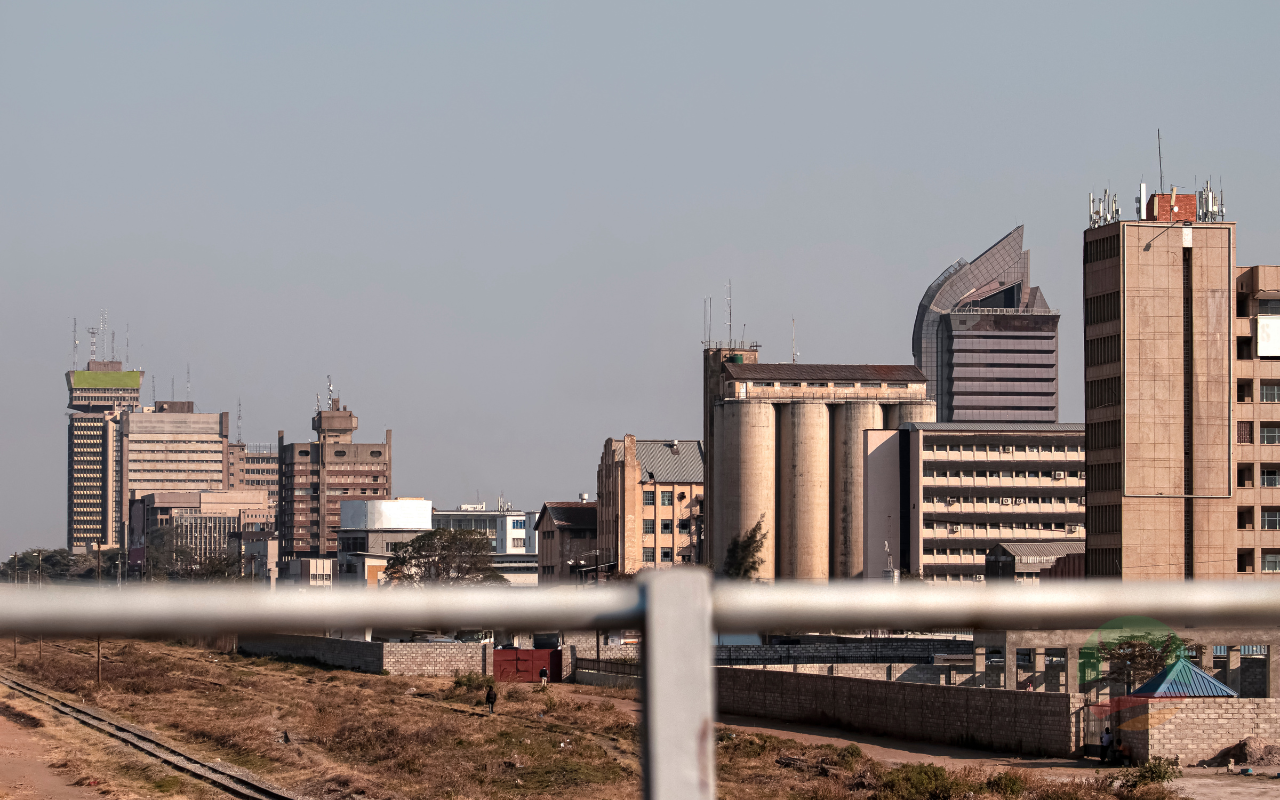
Photo: Raissa Lara Lütolf (-Fasel)UnsplashUnsplash License
LUSAKA, 28 JUNE 2026—Updated 8 Jul 2026
LUSAKA — Brian Mundubile, leader of the National Restoration Party for Unity and Prosperity, said his pledge to keep Zambia's free-education policy means no school fees return if he is elected.
The pledge matters to Zambian parents because the free-education policy removed fees across public early-childhood, primary and secondary schools, and any reversal would directly affect household budgets in a country where many families had been priced out of classrooms. Mundubile, one of the full field of 14 candidates cleared to contest the presidency, is the first opposition figure in the race who pledges publicly to retain the measure rather than replace it.
Snapshot — the pledge. National Restoration Party for Unity and Prosperity candidate Brian Mundubile says he would keep Zambia's free-education policy if elected on 13 August 2026. The policy, introduced in 2022, scrapped fees in public early-childhood, primary and secondary schools. It widened enrolment but strained teachers and classrooms.
The free-education policy was introduced by the United Party for National Development government in 2022, abolishing school fees in public schools and triggering a surge in enrolment. Mundubile said on the campaign that his administration would maintain the policy and concentrate instead on the resourcing gaps it exposed, according to remarks attributed to the National Restoration Party for Unity and Prosperity campaign.
Education officials and head teachers have reported that the removal of fees strained classroom resources, with teacher shortages and crowded infrastructure following the rise in enrolment. Mundubile said the National Restoration Party for Unity and Prosperity would treat those pressures as the central education challenge, framing the pledge as a promise to fund the policy properly rather than to abolish it.
The position places Mundubile on continuity with the UPND on schooling even as he campaigns against the government on other fronts. Mundubile has previously criticised the administration over the management of the economy, including Mundubile's earlier clash with the government on the economy over foreign-exchange reserves, a dispute that has shaped much of the opposition's campaign messaging.
The Ministry of Education sets policy on fees and curriculum for public schools, and any change to the free-education policy would run through the ministry and the national budget. The Electoral Commission of Zambia has set polling for 13 August 2026, when voters will choose between Mundubile, incumbent President Hakainde Hichilema and the remainder of the 14-candidate field. Mundubile said the free-education policy should outlast whichever party governs after the vote, casting schooling as a national commitment rather than a partisan project that a change of administration could unwind.
Mundubile, a senior figure associated with the Patriotic Front before he moved to lead the National Restoration Party for Unity and Prosperity, has built his platform around economic management and social-policy continuity. The government, for its part, has defended its broader record, with Vice-President Mutale Nalumango pointing to the UPND government's record on stabilisation and growth.
Background
The free-education policy ranks among the UPND government's most visible social reforms since 2021. By removing fees in public early-childhood, primary and secondary schools, the policy brought large numbers of previously excluded children into the system, a shift the government has presented as a core achievement of its first term.
The expansion also exposed strain. Schools absorbed more pupils without a matching increase in teachers or classrooms, and education officials have flagged shortages as a recurring problem. Mundubile's pledge engages with that record directly, accepting the policy's reach while promising to address the gaps the National Restoration Party for Unity and Prosperity attributes to under-resourcing.
What to watch
The next test is whether Mundubile and the National Restoration Party for Unity and Prosperity attach figures to the pledge, detailing how a Mundubile government would fund teachers and infrastructure without restoring fees. With the 13 August 2026 election approaching, education is set to feature alongside the economy as a defining campaign theme. Follow the Kwacha News politics coverage for verified updates as the candidates set out their platforms.
A government led by the National Restoration Party for Unity and Prosperity would keep public schooling free and direct its effort to resourcing classrooms and supporting teachers rather than reinstating fees.
— National Restoration Party for Unity and Prosperity, <a href="https://www.moe.gov.zm/">campaign remarks on education policy, June 2026</a>
Frequently Asked Questions
Common questions about Brian Mundubile's free-education pledge and the policy itself, answered using publicly available information and analysis of Zambia's education reforms.
What is the free-education policy in Zambia?
In short, the free-education policy is the UPND government's 2022 reform abolishing school fees across public early-childhood, primary and secondary education. According to Ministry of Education guidance, the measure removed the fee barrier that had kept many Zambian children out of school, and the data shows enrolment rose sharply once fees were scrapped.
What did Brian Mundubile pledge on education?
The answer is continuity. Mundubile pledged that a government led by the National Restoration Party for Unity and Prosperity would keep the free-education policy in place and focus on resourcing rather than reintroducing fees. Analysis of the campaign field reveals that this is the first explicit opposition commitment to retain the UPND reform.
Why is the free-education pledge significant in the 2026 race?
Simply put, the free-education policy is popular, and evidence from enrolment figures shows why. By promising to keep it, Mundubile signals that an opposition government would protect one of the most widely used UPND reforms, narrowing the policy distance between the candidates on schooling even as they clash on the economy.
How does the free-education policy affect schools?
In other words, the policy widened access but added pressure. Research and reporting from education officials found that the surge in enrolment outpaced the supply of teachers and classrooms, leaving shortages that Mundubile says his administration would prioritise. The key is whether funding follows the pledge.
Who is Brian Mundubile?
The key is his trajectory. Brian Mundubile leads the National Restoration Party for Unity and Prosperity and is one of 14 candidates contesting the 13 August 2026 presidential election. According to public records, Mundubile was a senior figure associated with the Patriotic Front before forming his current platform around economic management and social-policy continuity.
Sources
Policy and electoral context drawn from the Ministry of Education on the free-education policy and the Electoral Commission of Zambia on the 13 August 2026 poll, with government economic context via State House. The pledge is attributed to Brian Mundubile's National Restoration Party for Unity and Prosperity campaign remarks.
More on Politics

Hichilema wins Zambia's 2026 election for a second term
Zambia's Electoral Commission has declared Hakainde Hichilema president-elect for a second term with about 61 per cent of the vote, over Brian Mundubile's 38 per cent, as the opposition rejects the count.

Press freedom groups urge Zambia to keep the internet on
The Committee to Protect Journalists and the #KeepItOn Coalition urged Zambian authorities and telecoms operators to keep internet access open through the 13 August election, as Amnesty International called for a detained journalist's release.
The Kwacha News briefing.
Business, markets and the Zambian economy — in your inbox.

