

Mission 300 connects 50 million Africans to power
A World Bank and African Development Bank drive to end energy poverty has reached its first 50 million people across 40 countries — with Zambia among the governments that have signed up to connect their own unlit households.
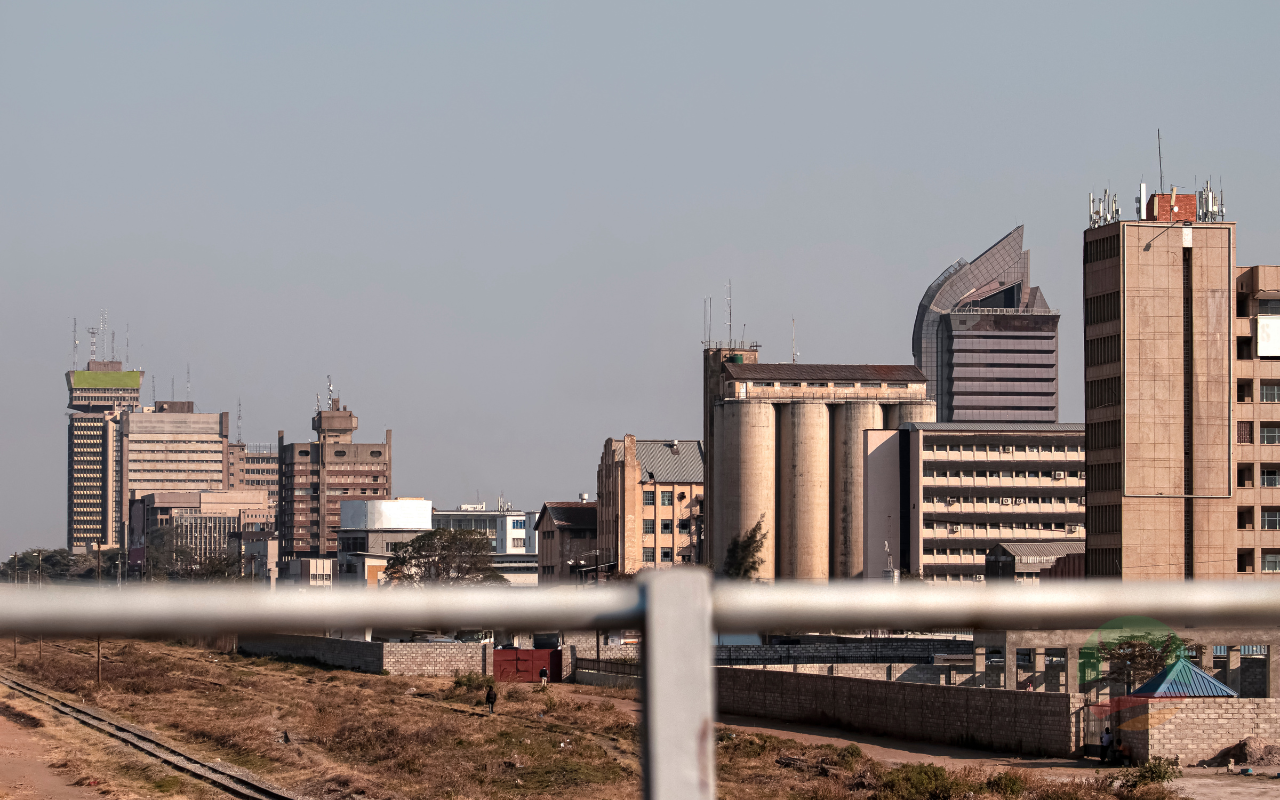
Photo: Michael StarkieUnsplashUnsplash License
LUSAKA, 19 JUNE 2026—Updated 8 Jul 2026
More than 50 million people across 40 countries now have electricity under Mission 300, the World Bank and African Development Bank drive whose aim is to reach 300 million Africans by 2030.
The figure is a milestone for a continent where about 600 million people still live without power, and it is a direct concern for Zambia, one of the governments signed up to the programme. Connecting people to the grid is the difference between a clinic that can refrigerate vaccines and one that cannot, between a pupil who can read after dark and one who cannot. This story is part of Kwacha News's Africa coverage.
What Mission 300 has achieved
The World Bank said on 16 June that the initiative, run jointly with the African Development Bank, had connected more than 50 million people across 40 countries, at a pace it described as nearly double the rate recorded when the drive launched. The headline target is unchanged: electricity access for 300 million Africans by the end of the decade.
Electricity is not just about power. It is about what it enables: jobs, business, health care, education, and opportunity.
— Ajay Banga, President of the World Bank Group, <a href="https://www.worldbank.org/en/news/press-release/2026/06/16/under-mission-300-a-new-way-of-doing-business-connects-over-50-million-people-to-electricity-across-africa">World Bank statement, 16 June 2026</a>
The money behind the drive is substantial. The World Bank Group and the African Development Bank Group have committed about 15 billion dollars between them, attracted some 4.5 billion dollars in co-financing, and secured pledges of more than 7 billion dollars from development partners, according to the World Bank. The Rockefeller Foundation and the Global Energy Alliance for People and Planet have added more than 100 million dollars.
How the connections are being made
Mission 300 leans on national plans rather than a single continental scheme. Thirty governments have launched National Energy Compacts — country-level commitments that set targets and unlock financing — with six more expected to follow. The model mixes grid extension, where the network already runs close to communities, with solar mini-grids and home solar systems for villages the grid will not reach for years.
Mission 300 in brief: a World Bank–African Development Bank drive to connect 300 million Africans to electricity by 2030. As of 16 June 2026 it had reached more than 50 million people across 40 countries. The two banks have committed about 15 billion dollars, with a further 4.5 billion dollars co-financed and over 7 billion dollars pledged by partners. Thirty countries — Zambia among them — have signed National Energy Compacts.
The next stretch is harder than the first. Andrew Herscowitz, who heads the Mission 300 Accelerator, told Daily Maverick that the people connected so far were the more reachable households, and that the grid itself is the coming constraint.
Transmission is going to be the next frontier of where you really need public capital.
— Andrew Herscowitz, head of the Mission 300 Accelerator, <a href="https://www.dailymaverick.co.za/article/2026-06-18-mission-300-flips-the-switch-for-50-million-africans-but-harder-work-lies-ahead/">via Daily Maverick</a>
Why access is so hard to extend
The obstacles are well understood and stubborn. Transmission lines need public money that strained budgets struggle to find. Coordination between ministries is often weak. Currency risk deters private lenders, and high sovereign debt across the continent limits what governments can borrow. The hardest cases are rural and last-mile: connections that commercial rates alone cannot make pay, and which need subsidy to reach the poorest households. Daily Maverick set out each of these constraints in its account of the drive.
Where Zambia fits
Zambia signed a National Energy Compact under Mission 300 at the launch summit in Dar es Salaam in early 2025. The World Bank says more than one million Zambians are due to be connected to electricity by 2030 under a separate access project it is financing, part of the same push to close the gap. Zambia's national electrification rate stood at about 51 percent in 2023 on World Bank figures. Rural access was far lower, sitting near 18 percent — a gap that leaves whole farming districts dependent on diesel generators, candles and charcoal, with the cost falling hardest on the households least able to bear it.
The timing is acute. Zambia depends on hydropower for the bulk of its electricity, and the 2024 drought cut generation so sharply that load-shedding stretched across much of the day.
Kwacha News reported on the government's response in its coverage of the grid-resilience programme funded by debt savings, and on the infrastructure reviving the copper economy through the reopened Lobito rail corridor. New connections mean little if the power behind them is rationed, which is why generation and transmission, not just household hook-ups, decide whether Mission 300 holds.
What to watch
The African Development Bank's new president, Sidi Ould Tah, has framed the rest of the decade as the test. The question for Zambia is whether the connections promised under its compact arrive alongside enough new generation — solar, thermal and restored hydro — to keep the lights on once they do.
Governments, partners and the private sector must double down to achieve access for 300 million people by 2030.
— Sidi Ould Tah, President of the African Development Bank Group, <a href="https://www.worldbank.org/en/news/press-release/2026/06/16/under-mission-300-a-new-way-of-doing-business-connects-over-50-million-people-to-electricity-across-africa">World Bank statement, 16 June 2026</a>
Frequently Asked Questions
These are the questions readers have been asking since the latest Mission 300 figures landed. Short answers follow, drawn from the World Bank statement and reporting in Daily Maverick.
What is Mission 300?
In short, Mission 300 is a joint drive by the World Bank and the African Development Bank to connect 300 million Africans to electricity by 2030. The answer, simply put, is that it pools bank finance, partner pledges and national plans to attack energy poverty. The key is that it works through country-level compacts rather than one central scheme.
How does Mission 300 connect people to power?
Data from the World Bank shows the drive mixes three methods: extending the national grid where it runs close to communities, building solar mini-grids for clusters of villages, and installing home solar systems for the most remote households. National Energy Compacts set each country's targets and unlock the financing.
Why is electricity access so low in Africa?
Research on the sector shows about 600 million Africans still lack power because transmission networks are costly to extend, budgets are tight, currency risk deters private lenders and rural connections rarely pay at commercial rates. According to the programme, those last-mile cases need subsidy to reach the poorest.
What are the obstacles to reaching 300 million?
Analysis of the drive reveals that the next phase is harder than the first. Evidence shows transmission needs public capital, inter-ministry coordination is often weak, sovereign debt limits borrowing, and the remaining households are the hardest and costliest to reach — the reason the banks call for partners and the private sector to double down.
Which countries are taking part, and is Zambia one of them?
Thirty countries have signed National Energy Compacts under Mission 300, and Zambia is among them, having signed at the Dar es Salaam launch in early 2025. The World Bank says more than one million Zambians are due to be connected by 2030 under a related access project it is financing.
Sources
World Bank: Mission 300 connects over 50 million people to electricity across Africa (16 June 2026), the Energizing Africa programme hub, and over one million Zambians to be connected by 2030 (28 July 2025).
Daily Maverick: Mission 300 flips the switch for 50 million Africans. Kwacha News coverage: the grid-resilience programme and the Lobito copper corridor.
More on Africa/World

TAZARA at 50: Zambia weighs two routes to the sea
As TAZARA turns 50, landlocked Zambia is weighing two rival routes for its copper: east to the Indian Ocean via a rebuilt TAZARA, or west to the Atlantic via the Lobito Corridor.

African leaders back trade insurer ATIDI after record year
African leaders endorsed ATIDI — the pan-African insurer Zambia belongs to — as a cornerstone of a new African-led financial architecture, as the body marked 25 years with record 2025 results and a call to recapitalise it to US$2 billion.
The Kwacha News briefing.
Business, markets and the Zambian economy — in your inbox.
