

Lungu Burial: SCA Reserves Judgement on Repatriation
South Africa's Supreme Court of Appeal heard the Lungu family's bid to keep the late former president's body, then reserved its ruling — leaving a cross-border standoff unresolved.
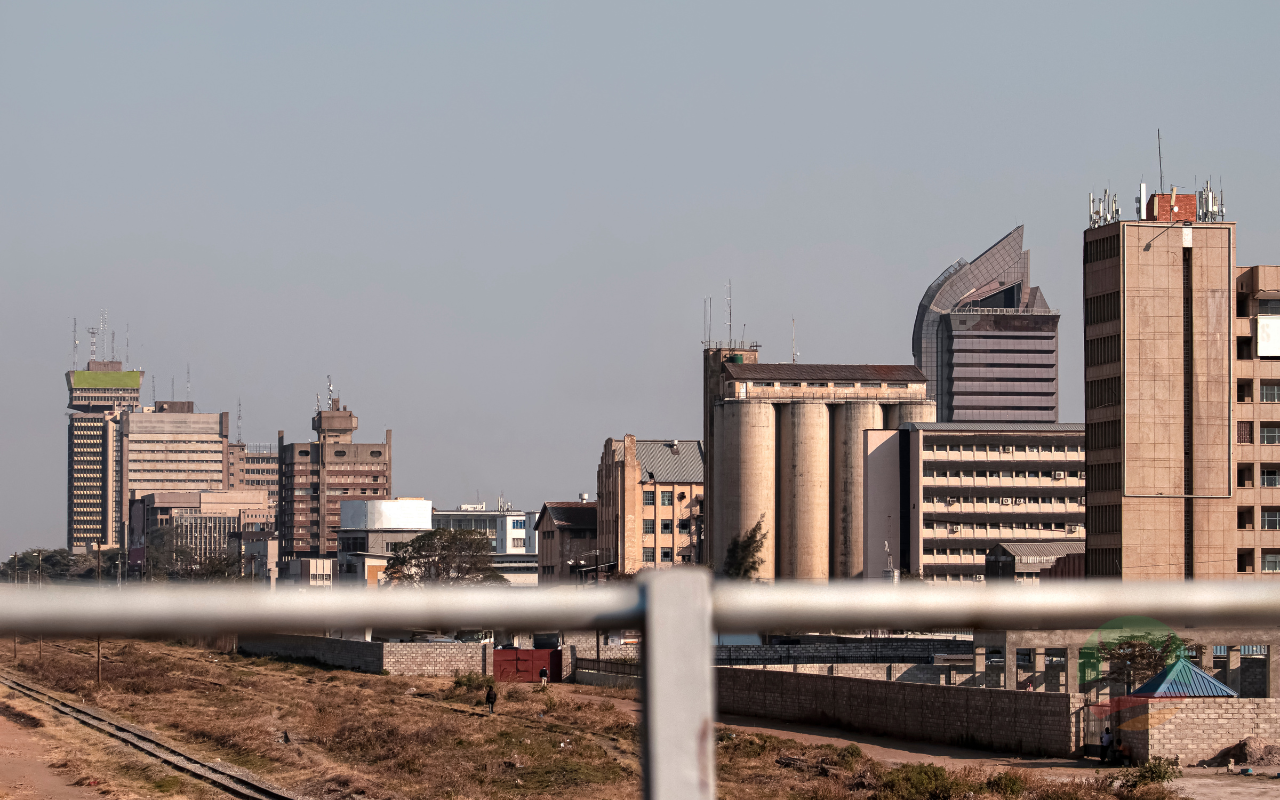
Photo: Ben BezuidenhoutwikidataCC BY-SA 4.0
LUSAKA, 30 MAY 2026—Updated 8 Jul 2026
BLOEMFONTEIN — South Africa's Supreme Court of Appeal has reserved judgement on whether Edgar Lungu's body is repatriated to Zambia for a state funeral or stays for a private burial.
The reserved ruling leaves the remains of Zambia's sixth president in legal limbo nearly a year after his death, and keeps a personal feud between the Lungu family and President Hakainde Hichilema's government at the centre of a cross-border court fight. Until the appeal judges decide, Lungu cannot be buried in either country.
At a glance: Former Zambian President Edgar Lungu died on 5 June 2025, aged 68, and led Zambia from 2015 to 2021. South Africa's Supreme Court of Appeal in Bloemfontein heard the burial dispute on 29 May 2026 and reserved judgement. The government wants a state funeral and burial at Embassy Park in Lusaka; the family opposes a role for President Hakainde Hichilema in the rites.
What the court heard
A full bench of the Supreme Court of Appeal (SCA) in Bloemfontein heard arguments on Friday, 29 May 2026, in the matter brought by Esther Lungu and six others against the Government of the Republic of Zambia. After both sides closed, the court reserved its decision and did not say when a ruling would be issued, according to the Associated Press.
The family is appealing an 8 August 2025 ruling by the Gauteng High Court in Pretoria, which held that Zambia is entitled to take custody of the remains for repatriation and a state funeral. That High Court found a former president's personal wishes, or those of his family, could not outweigh the right of the state to honour him with a state funeral. The SCA is the second-highest court in South Africa, below only the Constitutional Court, and its judgements on non-constitutional matters are final.
Advocate Tembeka Ngcukaitobi, for the family, argued that the widow and children should have the exclusive right to decide where and how Lungu is buried, and that the government's claim to a state burial was unwarranted because his presidential benefits had been revoked before his death. Advocate Ben Stoop, for the Zambian government, argued that a former head of state is a national figure whose burial cannot be reduced to a private family matter, and that public interest must take precedence over private wishes.
He does not wish for Mr Hakainde Hichilema to have any role in his funeral.
— Advocate Tembeka Ngcukaitobi, citing Edgar Lungu's stated wishes, at the <a href="https://www.sabcnews.com/sabcnews/zambia-defends-lungu-burial-agreement-in-supreme-court-of-appeal/">Supreme Court of Appeal in Bloemfontein (SABC News)</a>
The standoff over a state funeral
At the heart of the case is whether Lungu receives the full state send-off accorded to former presidents. The government says all former Zambian heads of state are buried at Embassy Park in Lusaka, the designated national burial ground, and that protocol and public interest require a ceremony befitting the office. Stoop told the court the two sides had earlier agreed Hichilema would attend the funeral and receive dignitaries, and that the family later broke that agreement.
The family rejects a state funeral outright. Lungu, who led the Patriotic Front, and Hichilema, of the United Party for National Development (UPND), were bitter political rivals; Hichilema defeated Lungu at the 2021 election after losing to him in 2016. The family says Lungu did not want Hichilema involved in his funeral and had planned a private South African ceremony, originally set for June 2025 before the courts intervened. The wider opposition picture is examined in our analysis of Zambia's opposition fragmentation ahead of the fifty-plus-one contest.
The dispute is unfolding against a charged domestic backdrop, with the country already turning toward the polls under the Electoral Commission of Zambia's timetable for the 13 August 2026 general election. How the burial is resolved carries political weight for both the governing UPND and the Patriotic Front in an election year.
Background
Lungu served as Zambia's president from 2015 to 2021. He died on 5 June 2025, aged 68, from an undisclosed illness while receiving medical treatment at a hospital in South Africa. His body has remained in South Africa since, held by a Pretoria mortuary, as the burial dispute moved through the courts. A private ceremony planned for June 2025 was halted when the government secured a court order to take custody of the remains.
The Patriotic Front announced an appeal after the August 2025 High Court ruling, taking the fight to the Supreme Court of Appeal. The relationship between the two camps has been strained since Hichilema took office, even as he has extended gestures on other fronts, including the Africa Freedom Day clemency he announced in 2026. The body of a former head of state has now become the most public expression of that rivalry.
What to watch
When an appeal court reserves judgement, as the SCA has done here, the next decision point is the ruling itself, which the court has not dated. The timing matters: 5 June 2026 marks one year since Lungu's death with no burial. A ruling for the government would clear the way for repatriation and a state funeral at Embassy Park in Lusaka; a ruling for the family would allow a private South African burial. Either outcome could still be tested on constitutional grounds, and the politics of the result will land in the middle of an election year, as set out in coverage of how Zambian politics is shaping up for 2026.
Frequently Asked Questions
Readers following the Edgar Lungu burial dispute have raised recurring questions about the court process, the parties and what happens next. The answers below draw on the public record of the Supreme Court of Appeal hearing and reporting by South African and international wires.
What is the Supreme Court of Appeal deciding?
In short, the court is deciding who controls Edgar Lungu's remains. According to reporting on the Bloemfontein hearing, the Supreme Court of Appeal must rule on whether to uphold the Pretoria High Court's finding that Zambia may repatriate the body for a state funeral, or side with the family's wish for a private South African burial. Analysis of the arguments shows the question turns on whether public interest in a former head of state outweighs the family's wishes.
Why is the Lungu family opposing repatriation?
The answer is the family's objection to President Hichilema's involvement. Court reporting shows the family told the appeal judges that Lungu did not want Hichilema to have any role in his funeral, citing personal and political tensions between the two men. The family argues, according to its lawyer, that the widow and children should have the exclusive right to decide where and how he is buried.
How does a reserved judgement work?
Simply put, a reserved judgement means the court has heard the arguments but will hand down its decision later. The Associated Press reported the Supreme Court of Appeal did not say when a ruling would be issued. Legal analysis of South African appeal practice shows reserved judgements give the bench time to weigh complex submissions in writing before delivering a binding decision, which in this matter would be final on non-constitutional grounds.
Who is arguing the case for each side?
In other words, two senior advocates led the arguments. Reporting from the hearing shows Advocate Tembeka Ngcukaitobi appeared for the Lungu family, while Advocate Ben Stoop appeared for the Government of the Republic of Zambia. The case, according to the court roll, is titled Esther Lungu and six others against the Government of the Republic of Zambia and two others, and was heard before a full bench of the Supreme Court of Appeal.
What are the possible outcomes?
The key is which side the appeal judges favour. Evidence from the hearing points to two paths: a ruling for the government, which would allow repatriation and a state funeral at Embassy Park in Lusaka, or a ruling for the family, which would permit a private burial in South Africa. Reporting on the dispute reveals that whichever way the court decides, the outcome will shape an already tense political season in Zambia.
Sources
SABC News — Zambia defends Lungu burial agreement in Supreme Court of Appeal; SABC News — Lungu family appeals for different outcome in burial dispute case; Associated Press — South Africa court weighs feud over the body of Zambia's former President Lungu; Al Jazeera — Zambia ex-president must be sent home for burial, South African court rules; Bloomberg — Top South African Court and the Lungu family's burial appeal; Supreme Court of Appeal of South Africa — court overview and seat in Bloemfontein.
More on Politics

Hichilema wins Zambia's 2026 election for a second term
Zambia's Electoral Commission has declared Hakainde Hichilema president-elect for a second term with about 61 per cent of the vote, over Brian Mundubile's 38 per cent, as the opposition rejects the count.

Press freedom groups urge Zambia to keep the internet on
The Committee to Protect Journalists and the #KeepItOn Coalition urged Zambian authorities and telecoms operators to keep internet access open through the 13 August election, as Amnesty International called for a detained journalist's release.
The Kwacha News briefing.
Business, markets and the Zambian economy — in your inbox.

