

Copper hits record above $13,000 on US tariff rush
Copper's surge past $13,000 a tonne, driven by a US tariff-front-running scramble, lands as a direct fiscal event for Zambia — Africa's second-largest producer of the metal.
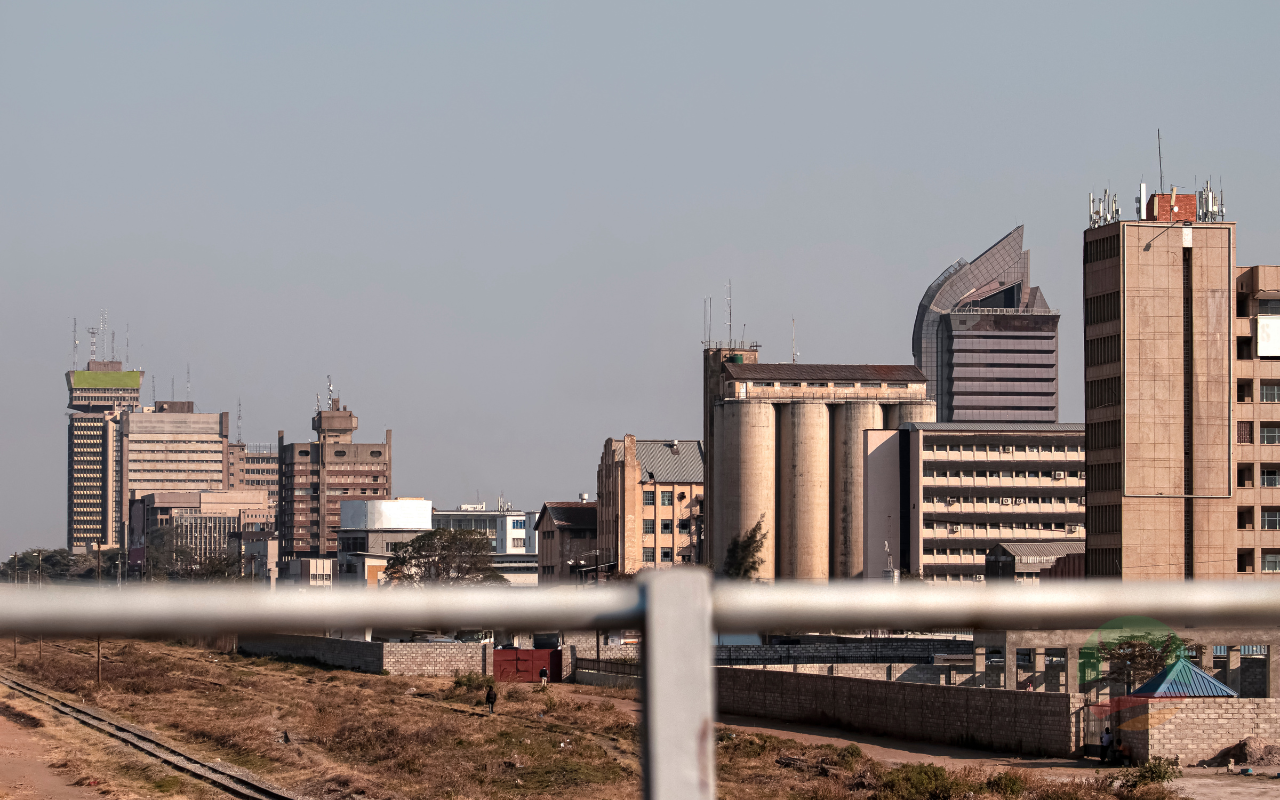
Photo: Kreepin DethwikidataCC BY 3.0
LUSAKA, 22 MAY 2026—Updated 8 Jul 2026
LUSAKA — Copper hit a record above $13,000 a tonne on the London Metal Exchange in 2026, a rally that is reshaping the export arithmetic for Zambia, Africa's second-largest producer of the metal.
Copper is Zambia's single most important export, accounting for the bulk of the country's foreign-exchange earnings. When the price rises, the government collects more in mineral royalties and taxes, the kwacha tends to strengthen, and the cost of servicing Zambia's restructured debt eases. A record price is a direct fiscal event for Lusaka, not just a line on a London screen.
What is driving the price
The rally has one dominant cause: United States trade policy. In August 2025 the US administration imposed 50% tariffs under Section 232 on semi-finished copper products and copper-intensive goods, while exempting raw copper, concentrates and cathodes. The measure pushed US copper to a persistent premium over the London Metal Exchange, and traders rushed to ship metal into the United States before any further duties land.
That scramble has drained metal from the rest of the market. According to Argus Media, copper surged past $13,000 a tonne in London as the bull run gained pace, after the metal set a record of $13,387 on 6 January 2026. On the US Comex exchange, copper hit a record $6.69 a pound on 13 May, with a sulphur-supply disruption in the Gulf and a 3% fall in Chinese refined output adding to the squeeze.
Supply, in short, is tightening just as demand from electrification and data-centre build-out climbs. The data shows the squeeze is structural as well as political, which is why the price has held near records rather than snapping back. Each time copper hits a fresh high, the maths changes for Lusaka.
The threat of US import tariffs has caused American copper to trade at a persistent premium to London, triggering aggressive stockpiling that tightens availability across the global market.
— Market assessment consistent with Argus Media and Bloomberg reporting on the 2026 copper rally
Why it matters for Zambia
For Zambia the rally is mostly good news, and mostly indirect. Zambian mines export copper largely as cathodes and concentrates — the categories the United States exempted — so the 50% tariff does not bite Zambian shipments directly. What reaches Zambia is the price.
A higher copper price feeds straight into government revenue and the currency. The kwacha has strengthened around 30% against the US dollar over the past year, trading near K18.93 to the dollar in late May, supported by stronger export receipts. Fitch Solutions has forecast a 10% rise in Zambian copper output in 2026, with national production expected to pass one million tonnes as expansion projects ramp up.
The one caution sits in Washington. A US Commerce Department review due by 30 June 2026 will decide whether refined copper faces phased tariffs — 15% from 2027 and 30% from 2028. Refined metal is a growing part of Zambia's industrial ambitions, so the review matters even though raw exports are exempt today.
Copper's record run — the essentials
LME record: $13,387 a tonne, 6 January 2026 · Comex record: $6.69 a pound, 13 May 2026 · Cause: US Section 232 tariffs and a rush to import ahead of further duties · Exempt today: raw copper, concentrates and cathodes — most of Zambia's exports · US review due: 30 June 2026 on refined-copper tariffs · Zambia: Africa's second-largest copper producer
Background
Section 232 of the US Trade Expansion Act lets Washington impose tariffs on national-security grounds. The August 2025 copper measure hit semi-finished products and derivatives at 50% but spared the raw forms that dominate African supply. Analysis from the US Congressional Research Service shows the carve-out was designed to protect US manufacturers that still depend on imported feedstock.
The price response has been violent. Argus Media and Bloomberg both record a climb from under $11,000 a tonne in late November to above $13,000 within weeks. Goldman Sachs has argued the record level will not last, expecting prices to ease as the import rush fades and new supply arrives — a reminder that copper windfalls have a habit of reversing.
Frequently Asked Questions
These are the questions Zambian readers and businesses have been asking about copper's record run. Short answers follow, drawn from market data and the US Section 232 record.
What is driving copper to a record?
In short, United States trade policy. The answer is that Section 232 tariffs on semi-finished copper pushed US prices to a premium, and traders rushed to import metal, draining supply elsewhere. Data from Argus Media shows the price passed $13,000 a tonne in London.
How does the US copper tariff work?
Simply put, it taxes some copper, not all. According to the US Congressional Research Service, the 50% Section 232 duty applies to semi-finished products and derivatives, while raw copper, concentrates and cathodes are exempt. The key is that most Zambian exports fall in the exempt categories.
Why is the copper price important to Zambia?
The answer is revenue and the currency. Evidence from past cycles shows higher copper prices lift mineral royalties and taxes, strengthen the kwacha, and ease debt servicing. The data shows the kwacha is up about 30% against the dollar over the past year.
Who is most exposed to the rally?
In other words, US buyers and global manufacturers. Research from market analysts shows American fabricators pay the premium, while producers such as Zambia, Chile and the DRC gain from the higher price. The key is that exposure depends on whether you buy or sell copper.
What are the risks to copper from here?
Analysis from Goldman Sachs shows the record may not hold; the bank expects prices to ease as the import rush fades and supply grows. Evidence from prior booms demonstrates that copper windfalls can reverse quickly, which is why Lusaka treats the revenue as a bonus, not a baseline.
What to watch
Two dates frame the next move. The first is 30 June 2026, when the US Commerce Department review on refined-copper tariffs is due — the decision that could extend duties up the value chain. The second is Zambia's next budget and royalty receipts, which will show how much of the record price actually reaches the treasury.
Sources
Argus Media: copper surges past $13,000 a tonne. Bloomberg via Yahoo Finance: copper hits record above $13,000. US Congressional Research Service: Section 232 tariffs on copper imports. Goldman Sachs: why record copper prices are not forecast to last. Kwacha News earlier coverage: the kwacha's appreciation and Zambia's copper position in US minerals talks.
More on Markets

Zambia's inflation holds at 6.5% for a second month
Annual inflation stayed at 6.5% in July 2026, ZamStats said. Food inflation eased to 6.4% while non-food rose to 6.7%, holding the headline rate inside the central bank's target band.

Bank of Zambia cuts kwacha reserve ratio to 21%
The Bank of Zambia cut the statutory reserve ratio on kwacha deposits to 21% from 26%, freeing about K5 in every K100 of deposits for lending. The ratio on foreign-currency deposits stays at 36%.

El Niño returns: a double risk to Zambia’s copper and maize
A powerful El Niño is forming in the Pacific: good for the copper price Zambia’s budget leans on, bad for the rains its maize and hydropower depend on. It points both ways at once.
The Kwacha News briefing.
Business, markets and the Zambian economy — in your inbox.