

Guinea's bauxite paradox holds a warning for Zambia
The world's biggest bauxite producer is also one of its poorest countries. For copper-dependent Zambia, the lesson is about linkages, not just output.
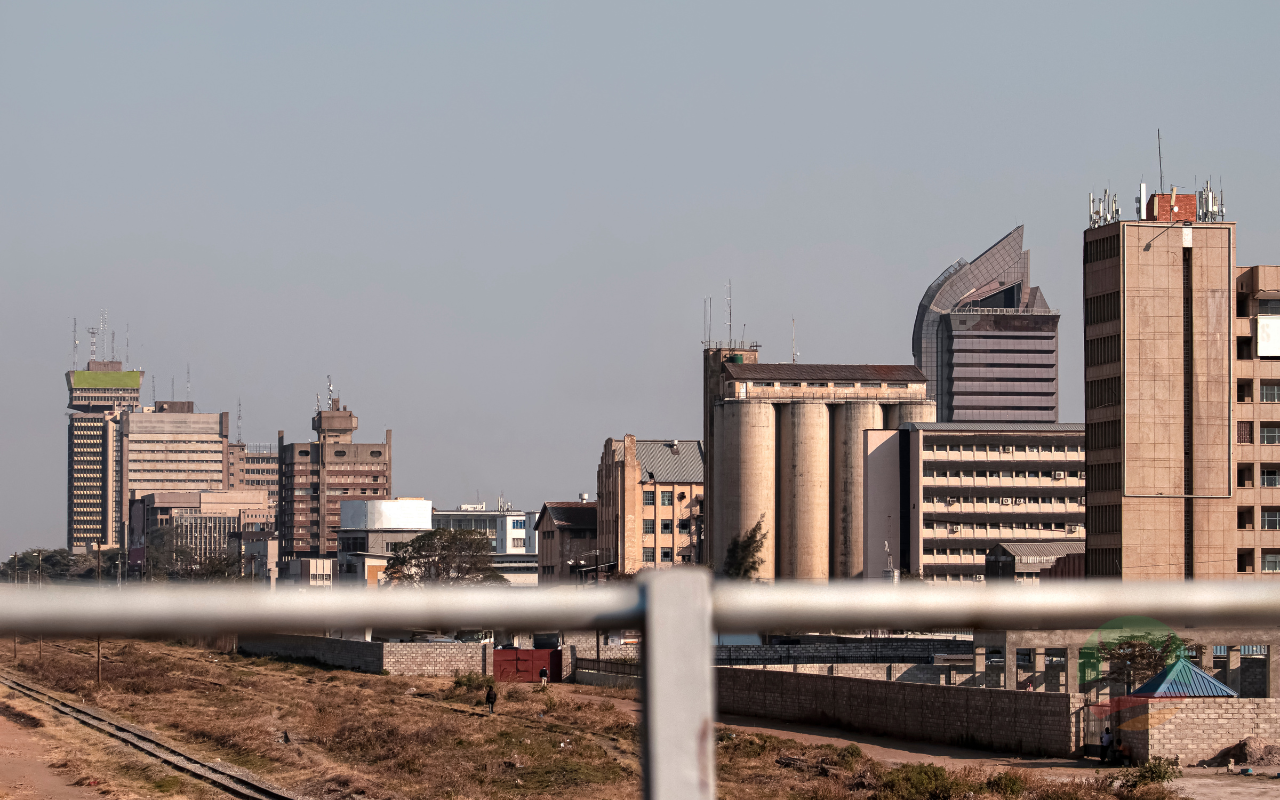
Photo: Arthur HickinbothamUnsplashUnsplash License
LUSAKA, 1 JUNE 2026—Updated 21 Jun 2026
LUSAKA — Guinea is the world's largest source of bauxite and one of its poorest countries — a paradox that Zambia, betting its future on copper, has reason to study closely.
A new account of life around Guinea's mines lands at a useful moment for Lusaka, which is pushing to triple copper output and add more value at home. The cautionary tale is not about how much you dig, but about whether the digging reaches the people on top of the ore.
Guinea holds the world's biggest bauxite reserves — the ore refined into alumina and then aluminium, the metal in cars, aircraft, window frames, wind turbines and solar panels. Over three decades the country has multiplied production tenfold, a boom that has reshaped its export economy.
The development numbers have not followed. Guinea ranks 179th of 193 countries on the United Nations Development Programme's Human Development Index, and more than half of its 15.8 million people live in poverty, World Bank data shows. The mining sector's weak links to the rest of the economy have limited its effect on jobs and poverty.
Before these companies arrived, we cultivated our land, and it sustained us. But now, when a piece of land is registered and belongs to a mining company, you have nothing there any more.
— A resident of a Guinean mining area, via <a href="https://www.aljazeera.com/features/2026/6/1/before-the-land-sustained-us-who-benefits-from-guineas-bauxite-wealth">Al Jazeera</a>
The pattern — record exports, displaced communities, thin domestic benefit — is the textbook resource curse. Zambia knows the shape of it. Copper has been the spine of the economy for a century, and the question of whether mining revenue reaches ordinary Zambians runs through Kwacha News's reporting, from the drive to three million tonnes to the fight over who captures the revenue.
Guinea's paradox in numbers — 1st: Guinea's rank in global bauxite reserves. 10x: the rise in production over three decades. 179th of 193: its place on the UN Human Development Index. 15.8 million: its population, more than half in poverty. The gap: record exports, little domestic benefit.
Why linkages matter more than output
Raw ore shipped out creates a port, a railway and a tax line, but few jobs and little industry. The value is captured where the refining and manufacturing happen — usually abroad. Guinea's recent "mine here, refine here" push, demanding that miners build domestic alumina capacity, is an attempt to change that equation, and it echoes Zambia's own argument over copper.
Zambia has leaned hard on value-addition: keeping more of the copper chain — smelting, refining, and ambitions in battery metals — inside its borders. That is the difference between exporting a commodity and building an economy, a theme Kwacha News follows in its Africa coverage as the continent's mineral states bargain harder with global buyers.
Background
Guinea's mining boom has run alongside political instability, with a military-led government in power since a 2021 coup and its leader moving to extend his rule. Resource wealth concentrated in the state, weak institutions and displaced communities are a familiar mix across resource-rich Africa — the conditions under which mineral booms fail to translate into broad-based development.
What to watch
For Zambia, the markers are concrete: whether the push to three million tonnes of copper comes with refining and manufacturing at home, whether mining communities on the Copperbelt and in the North-Western Province see roads, clinics and jobs, and whether royalty revenue is spent where the ore comes from. Guinea is the warning of what happens when output rises and none of that follows.
Frequently Asked Questions
These are the questions readers have asked about Guinea's mining paradox and what it means for Zambia. Short answers follow, drawn from World Bank, UNDP and Al Jazeera reporting.
What is Guinea's bauxite paradox?
In short, Guinea mines more bauxite than any country on earth yet remains among the world's poorest. The answer, simply put, is that record mineral exports have not translated into development.
How does mining wealth bypass communities?
The data shows raw-ore exports create few jobs because the value is added abroad. According to World Bank analysis, weak links to the domestic economy limit mining's effect on poverty.
Why is Guinea poor despite its minerals?
The key is the resource curse. Evidence from the UNDP's index shows Guinea at 179th of 193 countries, as wealth concentrates in the state and exports while communities are displaced.
Who is affected in mining areas?
In other words, the farming families on top of the ore. Research and resident testimony show land registered to mining companies leaves households without the fields that once sustained them.
What are the lessons for Zambia?
Analysis of both economies shows the lesson is linkages: refine and manufacture at home, and spend royalty revenue where the ore is mined. The evidence is that output alone does not build an economy.
Sources
Al Jazeera: Who benefits from Guinea's bauxite wealth? United Nations Development Programme: Human Development Index country data. World Bank: Guinea country overview.
More on Africa/World

TAZARA at 50: Zambia weighs two routes to the sea
As TAZARA turns 50, landlocked Zambia is weighing two rival routes for its copper: east to the Indian Ocean via a rebuilt TAZARA, or west to the Atlantic via the Lobito Corridor.

African leaders back trade insurer ATIDI after record year
African leaders endorsed ATIDI — the pan-African insurer Zambia belongs to — as a cornerstone of a new African-led financial architecture, as the body marked 25 years with record 2025 results and a call to recapitalise it to US$2 billion.
The Kwacha News briefing.
Business, markets and the Zambian economy — in your inbox.
