

Iran war oil shock tests Zambia's fragile recovery
The Strait of Hormuz crisis has pushed Brent up by more than half. For a landlocked economy that imports its fuel, the global shock arrives at the pump.
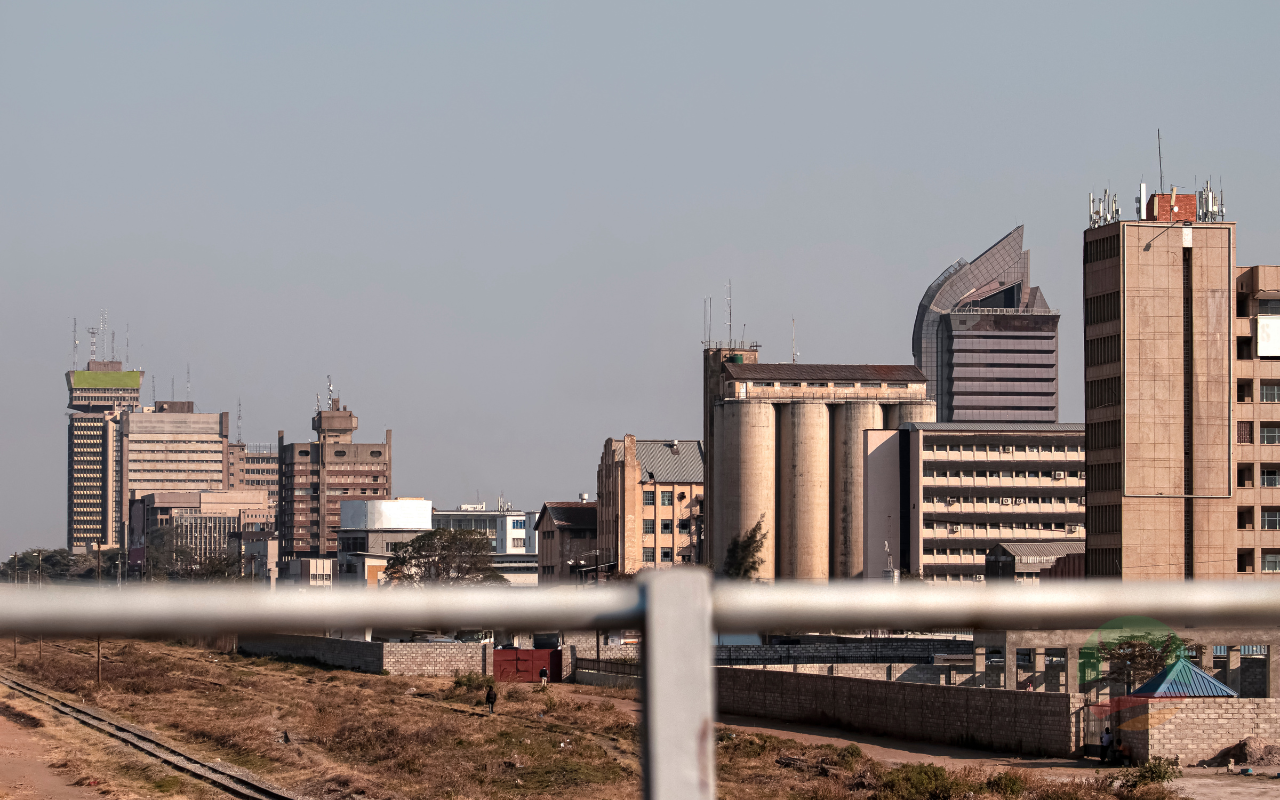
Photo: ImanFakhriwikidataCC BY-SA 4.0
LUSAKA, 1 JUNE 2026—Updated 8 Jul 2026
LUSAKA — The oil shock from the Iran war is reaching landlocked Zambia through the channel it cannot escape — imported fuel — testing a recovery built on a stable kwacha and tamed inflation.
Zambia is thousands of kilometres from the Strait of Hormuz, but it buys nearly all of its refined fuel on a world market the conflict has upended. When Brent rises, the cost lands at Zambian pumps, in transport fares and, eventually, in the price of food.
Brent crude has surged more than 55% since the war began, climbing from around $72 a barrel in late February towards $120 at its peak before easing. The trigger is the Strait of Hormuz, the narrow channel through which a large share of the world's oil passes, where tanker traffic collapsed as the fighting escalated.
Before the conflict, the Strait of Hormuz carried about a quarter of the world's seaborne oil trade and a fifth of its liquefied natural gas.
— US Congressional Research Service, <a href="https://www.congress.gov/crs-product/R45281">Iran conflict and the Strait of Hormuz</a>
The damage is heaviest in oil-importing emerging economies. The Asian Development Bank cut its 2026 growth forecast for the Asia-Pacific region from 5.1% to 4.7%, and the Philippines, which imports almost all of its oil from the Middle East, declared an energy emergency. Zambia sits in the same category of exposure: a fuel importer with thin reserves and a currency sensitive to the dollar.
The domestic symptom is already visible. Kwacha News has tracked the chain from the Hormuz spike feeding Zambian pump prices to the June fuel review, where the Energy Regulation Board cut diesel but held petrol as global prices pulled in opposite directions.
How the shock reaches Zambia
The transmission runs through three channels. First, the import bill: higher crude means more dollars spent on fuel, widening the trade gap. Second, the kwacha: a bigger fuel bill pressures the currency, and a weaker kwacha raises the cost of everything imported. Third, inflation: fuel sits inside transport and food costs, so a sustained spike feeds straight into the price of living.
The oil shock in numbers — 55%+: the rise in Brent crude since the war began. ~$72 to ~$120: the move in the oil price per barrel. ~25%: the share of seaborne oil that passed through the Strait of Hormuz. 5.1% to 4.7%: the Asian Development Bank's cut to Asia-Pacific growth. Nearly 100%: the share of its refined fuel Zambia imports.
The one cushion: copper and gold
Zambia is not only a victim of the shock. War premiums tend to lift commodity prices broadly, and copper — Zambia's main export — and gold, which it is building into its reserves, often rise when investors flee to safety. Stronger copper earnings bring in dollars that can steady the kwacha against the fuel bill. Whether that offset holds depends on whether the conflict also tips the world into the slowdown that would sap metal demand, a balance Kwacha News weighs in its World coverage.
Background
The 2026 Strait of Hormuz crisis grew out of the wider Iran war, drawing in the United States and disrupting one of the world's most important oil arteries. Oil-importing developing countries, from South Asia to sub-Saharan Africa, have borne the cost through higher fuel prices, weaker currencies and squeezed growth, even though none is party to the fighting.
What to watch
Three things will decide how hard Zambia is hit: whether the Strait reopens to normal tanker traffic, whether the kwacha holds its recent gains, and whether copper prices stay firm enough to offset the fuel bill. The Bank of Zambia's next rate decision and the Energy Regulation Board's end-June review will be the first places the answer shows up at home.
Frequently Asked Questions
These are the questions readers have asked about the oil shock and Zambia. Short answers follow, drawn from international reporting and development-bank data.
What is the Strait of Hormuz crisis?
In short, it is the disruption of the world's most important oil chokepoint during the Iran war. The answer, simply put, is that tanker traffic collapsed and oil prices spiked.
How does the oil shock reach Zambia?
The data shows Zambia imports nearly all of its refined fuel. According to the pricing mechanism, higher world oil prices feed into pump prices, the kwacha and inflation.
Why is Zambia exposed to a distant war?
The key is that fuel is a global commodity. Evidence from the Asian Development Bank shows oil-importing economies far from the conflict still suffer slower growth and higher prices.
Who is hardest hit by the oil shock?
In other words, fuel-importing developing countries. Research on the crisis shows nations like the Philippines, Pakistan and Bangladesh among the worst affected, with Zambia in the same exposed category.
What are the risks for the kwacha?
Analysis of the channels shows a bigger fuel bill pressures the kwacha, while firmer copper and gold prices can offset it. The answer is that the net effect depends on which force wins out.
Sources
Al Jazeera: Oil prices soar on supply-disruption fears. CNBC: a timeline of how the Iran war shook oil prices. US Congressional Research Service: Iran conflict and the Strait of Hormuz.
More on Africa/World

TAZARA at 50: Zambia weighs two routes to the sea
As TAZARA turns 50, landlocked Zambia is weighing two rival routes for its copper: east to the Indian Ocean via a rebuilt TAZARA, or west to the Atlantic via the Lobito Corridor.

African leaders back trade insurer ATIDI after record year
African leaders endorsed ATIDI — the pan-African insurer Zambia belongs to — as a cornerstone of a new African-led financial architecture, as the body marked 25 years with record 2025 results and a call to recapitalise it to US$2 billion.
The Kwacha News briefing.
Business, markets and the Zambian economy — in your inbox.
