

ERB cuts diesel, holds petrol in June fuel review
Diesel falls to K32.11 a litre and petrol stays at K27.15, as a firmer kwacha and cheaper imports pull pump prices in different directions.
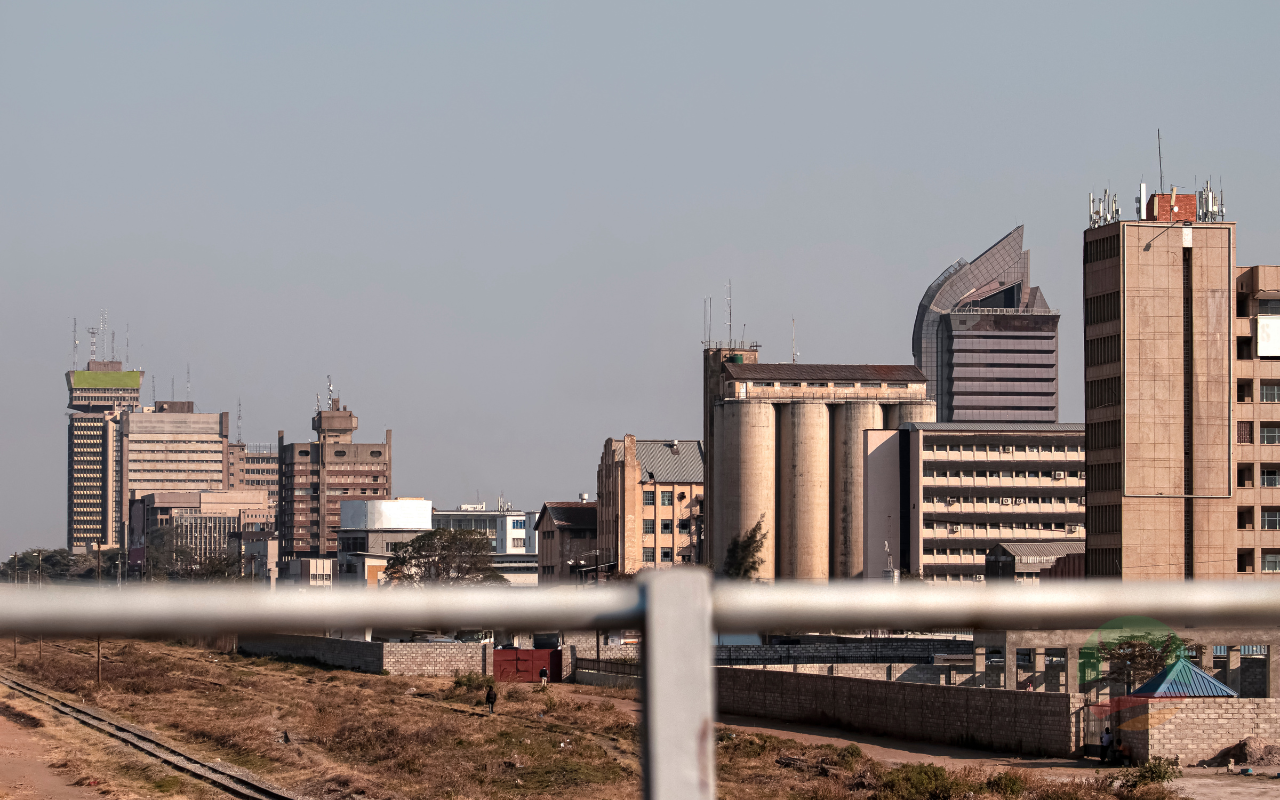
Photo: Eyasu EtsubUnsplashUnsplash License
LUSAKA, 1 JUNE 2026—Updated 20 Jun 2026
LUSAKA — The Energy Regulation Board is cutting the pump price of diesel for June while holding petrol steady, easing costs for hauliers and farmers as the kwacha firms against the dollar.
In its monthly review, effective at midnight on 31 May, the board left petrol at K27.15 a litre and brought diesel down to K32.11 from K33.99 — a cut of K1.88 that matters most to the trucks, tractors and generators that run the wider economy.
Kerosene, the cooking and lighting fuel for households off the electricity grid, fell to K33.91 a litre from K35.05. Jet A-1 dropped to K36.68 from K37.98, trimming a cost the airlines pass on to passengers.
Two forces pulled in opposite directions. International diesel prices fell sharply over the review window, from about $195.59 to $155.64 a barrel, while petrol rose from $119.63 to $124.24 a barrel on renewed Middle East tension. The kwacha did the rest of the work, appreciating from K18.97 to K18.56 per US dollar.
Zambia imports almost all of its refined fuel, so the pump price is mostly the world price translated through the exchange rate. Kwacha News has tracked that chain closely, from the Strait of Hormuz spike that lifted Zambian pump prices to the link between oil, the kwacha and inflation.
Why diesel matters most
Diesel is the fuel of the productive economy. It moves copper from the Copperbelt to the ports, runs the irrigation pumps and tractors of commercial farms, and powers the backup generators that keep factories and shops open during load-shedding. A cut in the diesel price feeds, with a lag, into transport fares and food costs.
Diesel, kerosene and jet A-1 prices fell on the international market over the review window, while the kwacha appreciated against the US dollar; petrol rose on higher international prices.
— Energy Regulation Board, <a href="https://www.erb.org.zm/">June 2026 fuel pump price statement</a>
June 2026 pump prices (per litre) — Petrol: K27.15, unchanged. Diesel: K32.11, down from K33.99. Kerosene: K33.91, down from K35.05. Jet A-1: K36.68, down from K37.98. Effective midnight, 31 May 2026.
The kwacha is doing the heavy lifting
The currency's move from K18.97 to K18.56 a dollar is the quieter story. A stronger kwacha makes every imported barrel cheaper in local terms, which is why diesel could fall even as some crude benchmarks stayed firm. That link runs through the rest of the import basket too, part of the macro picture Kwacha News follows in its Business & Economy coverage.
Background
The Energy Regulation Board reviews pump prices monthly under a cost-reflective pricing model, weighing the landed cost of imported fuel, the exchange rate, and statutory taxes and margins. The mechanism is meant to pass real cost changes through to consumers rather than letting the state absorb them, a discipline tied to Zambia's commitments under its programme with the International Monetary Fund.
What to watch
The next review at the end of June will turn on two numbers: where Brent and refined-product prices settle if Middle East tension eases, and whether the kwacha holds its gains. If both move the right way, a broader cut — including petrol — becomes possible. If oil spikes again, the firmer kwacha is the only cushion Zambian motorists have.
Frequently Asked Questions
These are the questions readers have asked since the June prices were announced. Short answers follow, drawn from the Energy Regulation Board's statement.
What are Zambia's fuel prices for June 2026?
In short, petrol is K27.15 a litre, diesel K32.11, kerosene K33.91 and jet A-1 K36.68. The answer, simply put, is that petrol was held while the other three were cut.
Why is diesel cheaper but petrol unchanged?
The data shows international diesel prices dropped to about $155.64 a barrel while petrol rose to $124.24 on Middle East tension. According to the Energy Regulation Board, the firmer kwacha amplified the diesel cut.
What is the effective date of the new prices?
The new prices took effect at midnight on 31 May 2026 and hold until the next monthly review at the end of June. Evidence from past reviews shows the board adjusts every month.
How does the ERB set pump prices?
The key is the cost-reflective model. Analysis of the build-up shows the price is the landed import cost plus the exchange rate, taxes and margins — not a figure set by political choice.
Who is affected by cheaper diesel?
In other words, cheaper diesel feeds into transport and food costs over the following weeks. Research on fuel pass-through shows the effect is real but lagged, so households should not expect an overnight change at the market.
For transporters, the K1.88 cut on diesel is the first relief in months. Haulage operators have long argued that diesel costs feed straight into the price of maize, fertiliser and cement moved across the country. The pump price also carries statutory taxes and a fuel levy that funds road maintenance, which is why Zambian diesel can sit above the regional average even when crude prices fall.
Sources
Energy Regulation Board: June 2026 petroleum pump prices and price build-ups. Energy Regulation Board: price build-up archive.
More on Business & Economy

Guinea bans raw gold exports as Africa pushes local refining
Guinea has banned raw gold exports and now demands local refining, African Business reported. For Zambia, whose copper still leaves largely unprocessed, the move sharpens a long-running question about where the value is captured.

Zambia cuts fuel prices again as shop prices stay high
Zambia's Energy Regulation Board cut pump prices for a third straight month in August 2026, but transport fares and food prices remain high and non-food inflation is rising.

Zambia's trade surplus narrows to K4.2bn as imports jump
Zambia recorded a K4.2 billion trade surplus in June 2026, down from K7.0 billion in May, as imports rose 10.2% and exports fell 1.6%, ZamStats said.
The Kwacha News briefing.
Business, markets and the Zambian economy — in your inbox.