

Zambia to rebase GDP to 2023, ZamStats tells ZITF panel
The statistics agency says the shift from a 2010 base year will not create new wealth, but will reshape how the economy reads on paper.
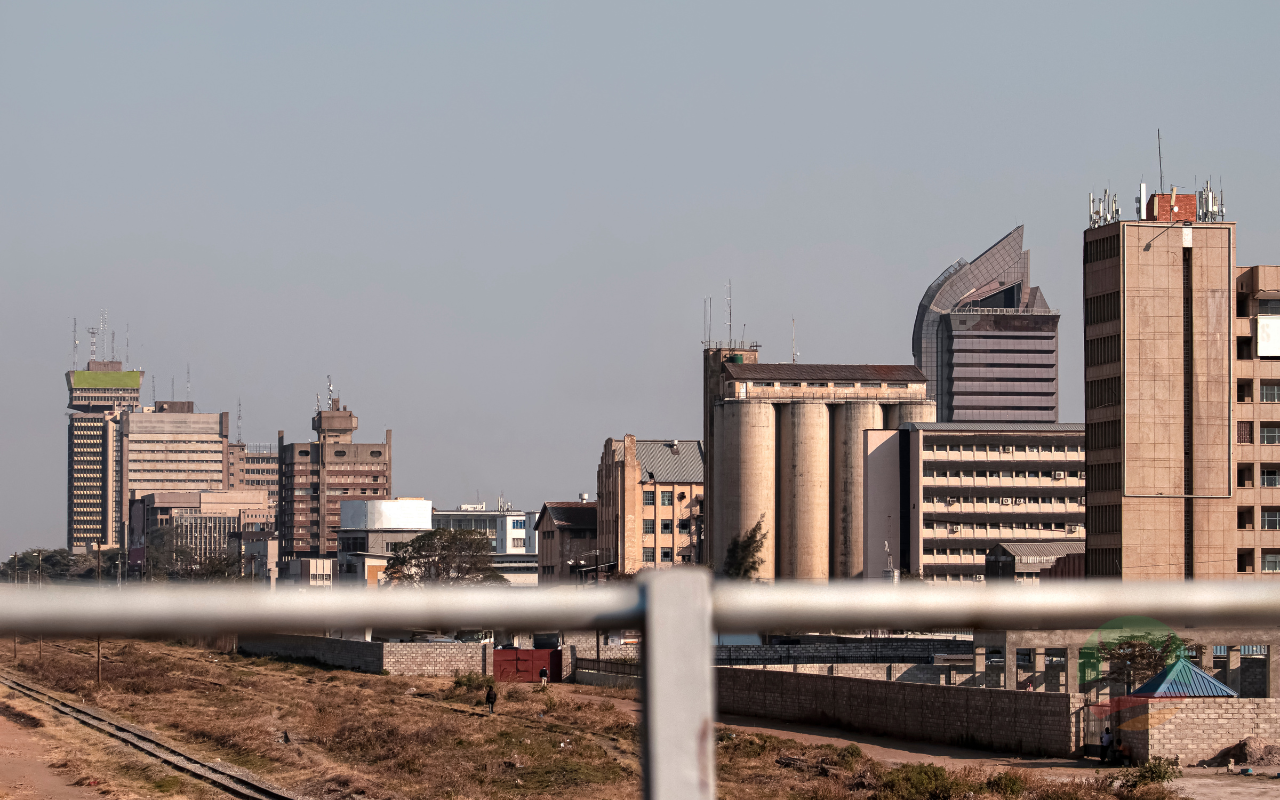
Photo: Leeloo The FirstPexelsPexels License
LUSAKA, 8 JULY 2026—Updated 8 Jul 2026
NDOLA — Zambia is rebasing its gross domestic product to a 2023 base year, the Zambia Statistics Agency (ZamStats) told a panel at the 60th Zambia International Trade Fair.
The new base year replaces 2010, which no longer reflects the shape of the economy — and the shift is expected to reshape how Zambia’s economy reads on paper, even though officials stress it creates no new wealth.
The rebasing captures sectors such as mining, information and communication technology, financial services, tourism, construction and renewable energy that have grown or emerged since 2010, with knock-on effects for debt-to-GDP ratios and international comparisons.
What is changing — Base year: 2010 to 2023. Lead agency: ZamStats (Zambia Statistics Agency). Newly captured sectors: ICT, financial services, tourism, construction, renewable energy. Key surveys feeding it: the 2025 Economic Establishment Census and the 2024 Household Budget Survey. Who is watching: the Bank of Zambia, the Ministry of Finance and National Planning, and the Zambia Development Agency.
What ZamStats told the panel
Speaking on a panel titled "The GDP Rebasing Exercise: Why It Matters and Its Implications for Zambia," ZamStats Statistician General Sheila S. Mudenda described the move as a routine statistical update, not a one-off event.
A routine statistical exercise that updates the reference year used to measure economic activity.
— Sheila S. Mudenda, Statistician General, ZamStats, <a href="https://www.zamstats.gov.zm/zamstats-hosts-panel-discussion-on-gdp-rebasing-at-the-2026-zambia-international-trade-fair/">ZITF panel discussion, 7 July 2026</a>
Joseph Tembo, ZamStats’ Director of Economic Statistics, was explicit that the change is about measurement, not output. Rebasing does not create new economic activity or increase national wealth, he told the panel — it improves how existing activity is measured, using updated data sources and methodologies.
Why the central bank and Treasury are watching
The panel drew officials from beyond ZamStats itself. Dr Kegan Chisha of the Bank of Zambia set out why the central bank has a direct stake in the exercise.
Reliable GDP statistics are essential for inflation forecasting, economic growth projections, monetary policy formulation, and maintaining overall economic stability.
— Dr Kegan Chisha, Bank of Zambia, ZITF panel discussion, 7 July 2026
Tamara Chirwa-Sitali, a senior economist at the Ministry of Finance and National Planning, said the rebased figures will capture emerging industries and structural shifts that have reshaped the economy since 2010, and that improved estimates would strengthen fiscal planning and help attract investment.
Peter Musangu of the Zambia Development Agency told the panel that accurate statistics sharpen the country’s pitch to investors, arguing that more reliable data improves both investor confidence and Zambia’s competitiveness against peer economies bidding for the same capital.
Background
National statistics offices periodically rebase GDP as economies change shape — a currency’s worth of output measured against a stale reference year can understate growth in newer sectors and overstate the weight of declining ones. According to ZamStats, 2023 was judged to offer the benchmark data needed to compile a credible new national accounts series across sectors including ICT, tourism, construction and renewables that barely registered in the 2010 baseline.
The data behind the new series is already being assembled. Officials point to the 2025 Economic Establishment Census and the 2024 Household Budget Survey as the two main benchmark surveys feeding the exercise, alongside an updated Statistical Business Register, the integration of administrative tax and customs data, and the compilation of new Supply and Use Tables that map how industries buy from and sell to one another.
That data-gathering stage is largely complete. What remains — final data validation, reconciliation of sector-by-sector estimates, and independent peer review — is standard practice before any national statistics office publishes a revised headline GDP figure, precisely because a rebased number becomes the reference point for years of subsequent growth comparisons.
The panel took place on the sidelines of the 60th Zambia International Trade Fair in Ndola, which Kwacha News has covered in full — Vice President Mutale Nalumango officially opened the fair, with President Hakainde Hichilema using the same platform to press Zambian businesses on the local-content agenda.
What to watch
ZamStats has not yet published a completion date for the revised GDP series. The data reveals the exercise is mid-stream: officials pointed to work already under way — including business register updates and the integration of administrative data — with final data validation, reconciliation of sector estimates and peer review still to come before a new headline GDP figure is published. Markets watching Zambia’s debt sustainability metrics, which the Bank of Zambia’s policy rate decisions and the kwacha’s trajectory both feed into, will be watching for the eventual release date.
Zambia is not alone in this. Rebasing exercises elsewhere on the continent have produced headline GDP jumps of 30% or more purely from better-measured data — a reminder that Kwacha News’s own markets coverage will be watching closely for the scale of Zambia’s eventual revision once ZamStats publishes it.
Sources
Zambia Statistics Agency: ZamStats Hosts Panel Discussion on GDP Rebasing at the 2026 Zambia International Trade Fair, 7 July 2026.
Frequently Asked Questions
These are the questions readers have been asking since ZamStats confirmed the GDP rebasing exercise. Short answers follow, drawn from the ZITF panel discussion and the officials who spoke at it.
What is GDP rebasing?
In short, GDP rebasing is the process of updating the reference year used to measure a country’s economic output. The answer, simply put, is that Zambia is moving its base year from 2010 to 2023 so the numbers reflect sectors — mining, ICT, tourism, construction, renewables — that barely existed in the old baseline. The key is that this is a measurement update, not new economic activity.
How does the rebasing exercise work?
ZamStats builds a new national accounts series anchored to 2023 using updated business and household data. Research from ZamStats shows the exercise draws on business register updates and administrative data integration, with data from the agency revealing that final validation, sector reconciliation and peer review are still to come before publication.
Why is 2023 different from the 2010 base year?
The 2010 base year predates much of the growth in ICT, financial services, tourism and renewable energy. According to ZamStats Director of Economic Statistics Joseph Tembo, the exercise does not create new wealth — the answer is that it corrects how existing activity in these newer sectors is counted.
Who is affected by GDP rebasing?
The rebasing affects anyone who reads Zambia’s economic statistics as a signal — the Bank of Zambia, which uses GDP data for monetary policy and inflation forecasting; the Ministry of Finance and National Planning, for fiscal planning; and investors assessing the country through the Zambia Development Agency. In other words, the change reaches policymakers first and investors second, before it reaches household-level statistics.
What are the real risks of a rebasing exercise?
Analysis of past African rebasing exercises demonstrates two durable risks: a revised GDP figure can shift debt-to-GDP ratios overnight even though nothing in the underlying debt has changed, and comparisons with prior years become harder until historical series are restated on the new base. Evidence from the panel reveals officials are aware of this — hence the emphasis on the exercise being measurement, not growth. Each risk is a communications challenge, not an economic one.
More on Markets

Zambia's inflation holds at 6.5% for a second month
Annual inflation stayed at 6.5% in July 2026, ZamStats said. Food inflation eased to 6.4% while non-food rose to 6.7%, holding the headline rate inside the central bank's target band.

Bank of Zambia cuts kwacha reserve ratio to 21%
The Bank of Zambia cut the statutory reserve ratio on kwacha deposits to 21% from 26%, freeing about K5 in every K100 of deposits for lending. The ratio on foreign-currency deposits stays at 36%.

El Niño returns: a double risk to Zambia’s copper and maize
A powerful El Niño is forming in the Pacific: good for the copper price Zambia’s budget leans on, bad for the rains its maize and hydropower depend on. It points both ways at once.
The Kwacha News briefing.
Business, markets and the Zambian economy — in your inbox.