

25 ex-mayors sue government for K153m in Lusaka court
Duncan Kaonga and 24 other former mayors and council chairpersons have filed suit in the Lusaka High Court, seeking more than K153 million in salaries, allowances and benefits they say were never paid out during their terms in local government.
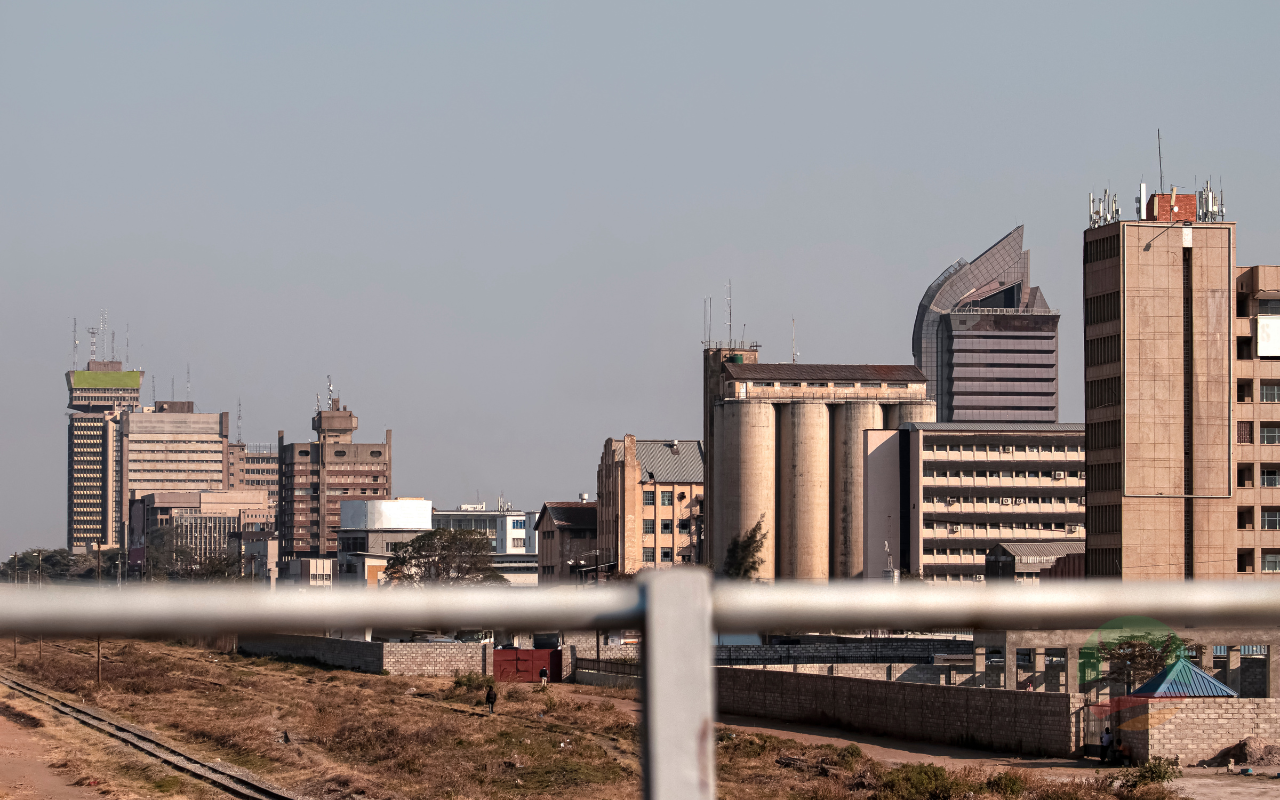
Photo: Jolame ChirwaUnsplashUnsplash License
LUSAKA, 3 JULY 2026—Updated 3 Jul 2026
LUSAKA — A lawsuit filed in the Lusaka High Court by 25 former mayors and council chairpersons represents a claim for more than K153 million in unpaid salaries, allowances and benefits.
The suit was brought by Duncan Kaonga and 24 other former elected local-authority leaders, according to the filing lodged in the Lusaka High Court. It matters because it puts a specific figure on a grievance that former councillors and mayors across Zambia have raised for years — that the statutory pay and allowances due to elected local-government leaders often lag months or years behind, even as councils are expected to keep delivering services on tight budgets.
Snapshot — key facts: 25 plaintiffs, led by Duncan Kaonga. Filed in the Lusaka High Court. More than K153m (K153 million) sought. The claim covers alleged unpaid salaries, allowances and benefits from the plaintiffs' terms as mayors and council chairpersons. No ruling has been made; the matter is a filed claim, not a finding of fact.
What the suit alleges
According to the filing, the plaintiffs are seeking payment for salaries, allowances and other benefits they say accrued to them while serving as mayors or council chairpersons but were never disbursed. The claim names Duncan Kaonga as the lead plaintiff among the 24 others — collectively the ex-mayors and former council chairpersons at the centre of the suit — all of whom held elected leadership positions at the council level before their terms ended.
The suit does not amount to a finding that the money is owed. A civil claim states what the plaintiffs are asking a court to order; the Lusaka High Court has not yet ruled on the matter, and the government has not been reported as having filed a public response. Kwacha News is reporting the filing itself — what was lodged and what is being sought — not any outcome, since none exists yet. The case forms part of Kwacha News's courts coverage of litigation testing how the state settles its obligations to elected officials.
Background — how council leaders are paid
Mayors and council chairpersons in Zambia are elected officials who sit atop the country's 116 local authorities — city, municipal and district councils — established under the Local Government Act. Unlike members of parliament, whose salaries are set nationally and paid centrally, council leaders' remuneration has historically been a patchwork: partly funded from local authority own-source revenue, partly from central government transfers, and set through instruments issued by the Ministry of Local Government and Rural Development in consultation with the Local Government Service Commission.
The Local Government Service Commission is the statutory body responsible for the appointment, discipline and broad conditions of service of council staff, working alongside the ministry that sets policy for how local authorities are financed and run. Analysis of local-government finance in Zambia shows that councils' own revenue bases — property rates, market levies, business licences — are frequently insufficient to cover both statutory obligations to elected leaders and the service-delivery mandates voters expect, a structural gap that research on decentralisation in Zambia has flagged repeatedly as a driver of council arrears.
Data from successive Auditor-General reports on local authorities has, in past cycles, found unpaid statutory obligations — including salaries, gratuities and allowances owed to both council staff and elected leaders — recorded as arrears carried over from one financial year to the next. The pattern is not unique to any single council; it reflects a national funding architecture in which local authorities depend on transfers that are not always disbursed in full or on schedule.
The Constituency Development Fund and council finances
The Constituency Development Fund, known as CDF, is the largest single pool of money that reaches Zambia's constituencies through local structures, and its scale has grown sharply in recent budget cycles. CDF is disbursed to ward development committees and council structures for community projects, grants and bursaries, and its administration runs through the same council machinery that mayors and chairpersons preside over. The fund is separate from the statutory salaries and allowances at issue in the current suit, but the two sit inside the same strained local-government finance system: councils managing a large, closely audited development fund while, the plaintiffs say, their own remuneration went unpaid.
This builds on Kwacha News's earlier reporting on a separate claim against a government ministry, part of a wider pattern of civil suits testing what the state owes to individuals who served in official capacities. The current case adds local government to that list, with a considerably larger sum in dispute than most prior claims of this kind.
The election-year backdrop
The filing lands as Zambia heads towards its general election on 13 August 2026, a vote that includes council seats alongside the presidency and parliamentary constituencies. Local-government service delivery — roads, markets, waste collection, water — tends to draw sharper scrutiny in the run-up to an election, and unresolved pay disputes involving former council leaders sit inside that broader conversation about how well local authorities are funded and managed. The lawsuit itself is about a specific financial claim from named individuals, not a commentary on the election; any connection to the political calendar is context, not the substance of the case.
Zambia's Constitutional Court cleared President Hakainde Hichilema's eligibility to stand in the election earlier this year, a decision Kwacha News covered as part of its ongoing coverage of election-related litigation. The current suit is a separate, unrelated civil claim — it does not involve the presidency, the Electoral Commission of Zambia, or any electoral dispute — but it illustrates how the courts have become a recurring venue for resolving disputes that touch the machinery of Zambian governance ahead of the vote.
What to watch
The first thing to watch is whether the Attorney General's Chambers, which typically represents the government in civil suits of this kind, files a formal response or defence. No such response has been reported publicly. The second is case management — how the Lusaka High Court schedules the matter, given the scale of the claim and the number of plaintiffs involved.
The third is whether the case prompts any broader review of how council leaders' salaries and allowances are budgeted and disbursed nationally, independent of the outcome of this specific claim. The fourth is timing: civil claims against the state in Zambia can take years to resolve, and K153 million is a sum large enough that any eventual settlement or judgment would draw attention to the state of local-authority finances more broadly.
Frequently Asked Questions
These are the questions readers have been asking about the lawsuit filed by former mayors and council chairpersons. Short answers follow, drawn from the filing as described publicly and general context on how Zambian local government is financed.
What is the lawsuit filed by the former mayors about?
In short, the lawsuit is a civil claim filed in the Lusaka High Court by 25 former mayors and council chairpersons, led by Duncan Kaonga, seeking more than K153 million in salaries, allowances and benefits they say were never paid during their time in office. The answer, simply put, is that this is a filing — a request for the court to order payment — and not a ruling or a government admission. The key is that no outcome has been decided.
How does council leader pay work in Zambia?
Council leaders' remuneration is set through instruments issued in consultation with the Local Government Service Commission and funded through a mix of local authority revenue and central government transfers. Research on Zambian decentralisation shows that this funding architecture has historically produced arrears when transfers lag or council revenue falls short. Data from past Auditor-General reports reveals unpaid statutory obligations carried forward as arrears at a number of local authorities.
Why is this lawsuit significant now?
According to the filing, the sum sought — more than K153 million — is large relative to prior individual claims against government bodies that Kwacha News has covered. The answer is that the case lands during a period of heightened scrutiny of local-government service delivery ahead of the 13 August general election, which gives the dispute a wider audience even though the claim itself is a specific financial matter unrelated to the vote.
What are the next steps in the case?
In other words, the case now moves into the Lusaka High Court's ordinary civil process: service of the claim on the defendant, an expected response from the Attorney General's Chambers representing the government, and eventual case management or hearing dates. Analysis of similar civil claims against the state shows this process commonly takes months to years before a judgment or settlement is reached.
Which officials filed the claim?
The lead plaintiff is Duncan Kaonga, joined by 24 other former mayors and council chairpersons, for a total of 25 plaintiffs. The filing describes them collectively as former elected leaders of local authorities. The answer is that specific individual identities beyond Kaonga have not been detailed in what has been made public about the filing.
Sources
This report is based on a lawsuit filed in the Lusaka High Court, part of the Judiciary of Zambia (judiciaryzambia.com), by Duncan Kaonga and 24 other former mayors and council chairpersons. Kwacha News reports the filing itself — what was lodged and what is being sought — and will follow the case through the court process.
More on Courts

Trader convicted in Lusaka for failing to use Smart Invoice
The Zambia Revenue Authority says a Lusaka Subordinate Court convicted Suhel Moosa, trading as Mobile Monster, for failing to record sales on Smart Invoice, its electronic invoicing system.

Chief Justice Malila: courts ready for poll disputes
Chief Justice Mumba Malila says Zambia's judiciary will decide disputes from the 13 August general election without fear or favour, and inside the statutory 90-day window.
The Kwacha News briefing.
Business, markets and the Zambian economy — in your inbox.

