

ConCourt clears Hichilema to stand in August election
The Constitutional Court has dismissed a petition challenging President Hakainde Hichilema’s nomination, ruling it lacked merit and keeping him on the ballot for the 13 August general election.
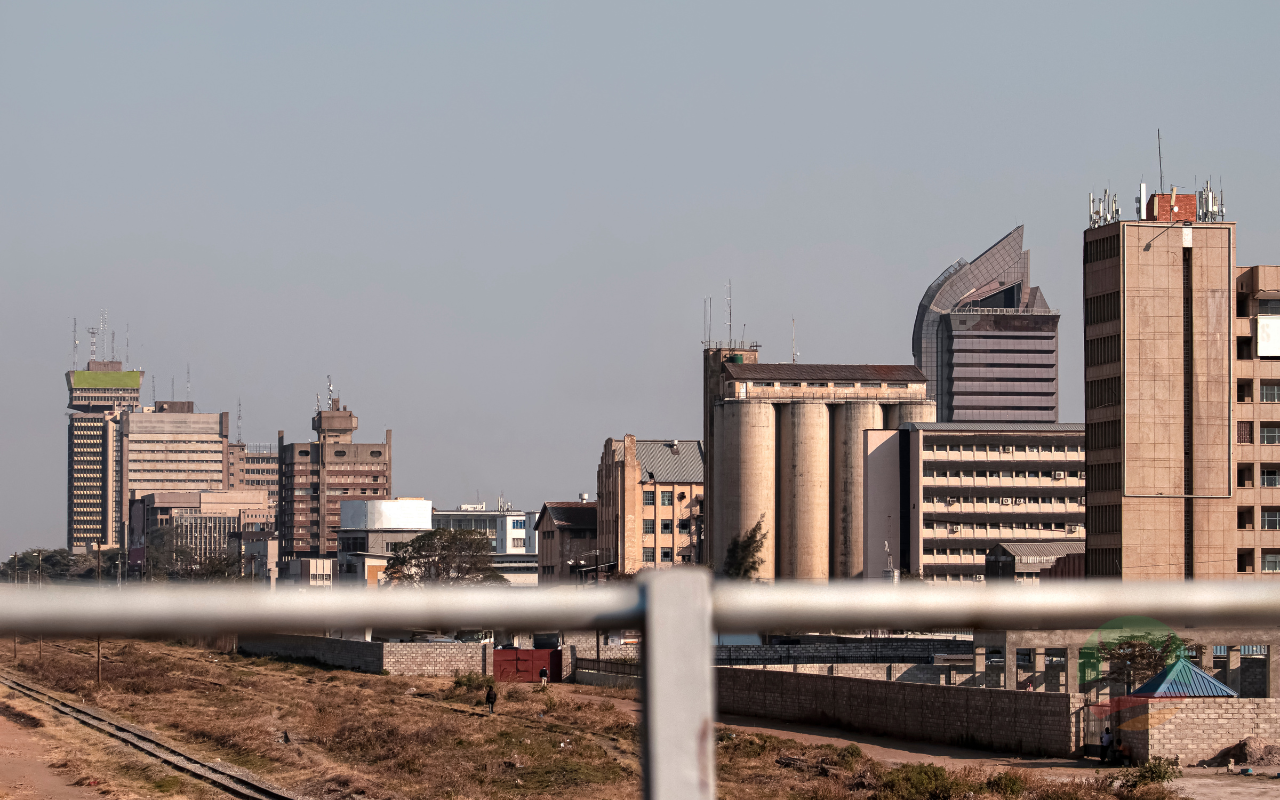
Photo: ZANISzanisGovernment of Zambia — editorial use
LUSAKA, 20 JUNE 2026—Updated 8 Jul 2026
LUSAKA — President Hakainde Hichilema is cleared to contest Zambia’s 13 August general election after the Constitutional Court dismissed a petition challenging his eligibility.
The ruling matters because it removes the last live legal threat to Hichilema’s candidacy less than two months before polling day, settling a question that had hung over the United Party for National Development (UPND) campaign. The court found the challenge did not raise a valid constitutional issue. This story is part of Kwacha News’s continuing politics coverage.
The petition was brought by UPND member Charles Longwe, who disputed Hichilema’s adoption as the party’s presidential candidate. Longwe argued that the adoption was handled by party officials whose mandates had expired, and asked the court to nullify the Electoral Commission of Zambia’s (ECZ) acceptance of Hichilema’s nomination.
What the court decided
The Constitutional Court held that the petition lacked merit and failed to raise issues falling within Article 52 of the Constitution, the provision that governs challenges to a candidate’s nomination. The court upheld the submissions of the respondents — the ECZ, Attorney General Mulilo Kabesha and the Registrar of Societies — each of whom asked for the case to be thrown out.
Judge Martin Musaluke set out the legal test. Once a nomination is accepted and not rejected on nomination day, the candidate is deemed qualified unless there is a valid constitutional challenge to eligibility — and the court found Longwe’s complaint about internal party process did not meet that bar.
Once a nomination is accepted and not rejected on nomination day, the candidate is deemed qualified, unless there is a valid constitutional challenge to eligibility.
— Judge Martin Musaluke, Constitutional Court ruling, 19 June 2026
Snapshot: The Constitutional Court dismissed a petition by UPND member Charles Longwe that sought to disqualify President Hakainde Hichilema from the 13 August 2026 general election. The court ruled the case lacked merit and fell outside Article 52, and upheld the submissions of the ECZ, the Attorney General and the Registrar of Societies. Hichilema remains the UPND’s presidential candidate. The decision follows an earlier ConCourt ruling that cleared opposition figures Fred M’membe and Given Banda to stand.
Why it matters
Eligibility cases have become a feature of the run-up to the vote, and each one carries the risk of upending a campaign. A ruling against Hichilema would have forced the governing party to find a new candidate weeks before the ballot — a scenario that would have thrown the election into uncertainty. The dismissal closes that door.
The decision also draws a line under who is contesting. Kwacha News reported that the same court earlier cleared opposition figures Fred M’membe and Given Banda to stand, and the field has been firming up as the contest narrows to a two-horse race between Hichilema and Brian Mundubile. With the President’s place on the ballot now secure, attention shifts from the courtroom to the campaign.
For voters, the ruling means the choice on the presidential ballot is settled at the top. The governing party will field its incumbent; the opposition will field its challengers. The legal manoeuvring that consumed the nomination period is, on this question, over.
Background — the eligibility fight
Hichilema was declared the UPND’s unopposed presidential candidate earlier in the year and is seeking a second term. His candidacy drew a series of legal challenges, the Longwe petition among them, each testing a different angle of his qualification to stand.
The case turned on the difference between a constitutional question and an internal party dispute. Article 52 lets a person challenge a candidate’s nomination on specific grounds; the court found that a complaint about whether UPND officials had the authority to adopt their leader was a party-governance matter, not a constitutional defect in the nomination itself.
The election will be the first held under the Constitution of Zambia (Amendment) Bill No. 7 of 2025, which introduced a mixed electoral system. Kwacha News has tracked the dispute over that law, including a demand that Parliament publish the Bill 7 vote list, and the wider realignment around the President ahead of the vote.
What to watch
The first thing to watch is whether any further petitions are filed. Nomination challenges run on tight statutory timelines, and the dismissal of the Longwe case narrows the window for fresh legal action against the presidential field.
The second is the campaign itself. With the candidates fixed, the contest moves to message and mobilisation — and to how the ECZ manages a tightly contested vote under new rules.
The third is the conduct of the courts. Election petitions do not end on nomination day; the losing side in August can return to the Constitutional Court to challenge the result, which makes the court’s handling of the eligibility cases a preview of the disputes that may follow the ballot.
Frequently Asked Questions
These are the questions readers have been asking about the Constitutional Court ruling. Short answers follow, drawn from the court’s decision and the public record on the election.
What is the Constitutional Court ruling about?
In short, the court dismissed a petition that sought to disqualify President Hakainde Hichilema from the 13 August election. The answer, simply put, is that the judges found the case lacked merit and fell outside Article 52 of the Constitution. The key is that Hichilema stays on the ballot.
Who is Charles Longwe and what did he argue?
Charles Longwe is a UPND member who brought the petition. According to the court record, he argued that Hichilema’s adoption as the party’s candidate was handled by officials whose mandates had expired, and he asked the court to nullify the ECZ’s acceptance of the nomination. The evidence did not persuade the court.
What is Article 52 of the Constitution?
Simply put, Article 52 is the provision that governs challenges to a candidate’s nomination. Analysis of the ruling shows the court treated Longwe’s complaint as an internal party dispute rather than a constitutional defect, which is why it found the petition outside Article 52’s scope.
How does this affect the August election?
The answer is that the presidential field is now settled at the top. Data from the nomination period shows a string of eligibility cases; with this one dismissed, the governing party’s candidate is confirmed and the contest moves to the campaign.
Which other candidates has the court cleared?
According to earlier rulings, the Constitutional Court cleared opposition figures Fred M’membe and Given Banda to contest. Research of the nomination cases shows the court has, so far, kept the main contenders on the ballot rather than removing them.
Sources
Constitutional Court of Zambia ruling, 19 June 2026 (Longwe v Hichilema and others). Election context: The Africa Report, Zambia 2026 election. Kwacha News coverage: M’membe and Banda cleared, the HH–Mundubile race and the Bill 7 vote-list demand.
More on Politics

Hichilema wins Zambia's 2026 election for a second term
Zambia's Electoral Commission has declared Hakainde Hichilema president-elect for a second term with about 61 per cent of the vote, over Brian Mundubile's 38 per cent, as the opposition rejects the count.

Press freedom groups urge Zambia to keep the internet on
The Committee to Protect Journalists and the #KeepItOn Coalition urged Zambian authorities and telecoms operators to keep internet access open through the 13 August election, as Amnesty International called for a detained journalist's release.

The burial row that made the Zambian election a contest
Edgar Lungu died in June 2025 and was not buried for more than a year while his family and the Zambian state fought through the South African courts. The dispute shadowed the campaign and, the BBC reported, turned an expected walkover into a contest.
The Kwacha News briefing.
Business, markets and the Zambian economy — in your inbox.