

High Court Quashes ECZ Ban on Candle Ballot Symbol
The judgment sets aside the Electoral Commission of Zambia decision that barred the Candle symbol, restoring it to ballots for the 13 August general election.
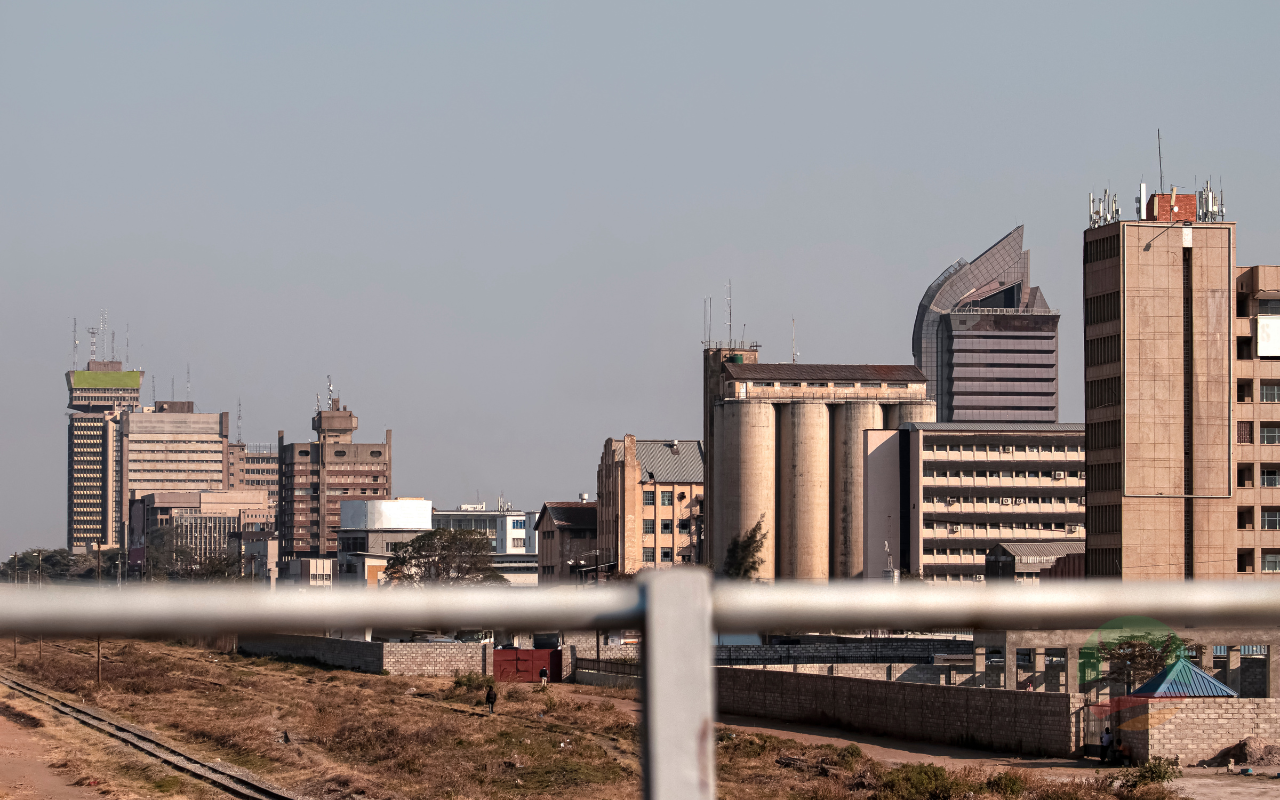
Photo: Fatima YusufPexelsPexels License
LUSAKA, 28 JUNE 2026—Updated 8 Jul 2026
LUSAKA — The High Court ruling means the Candle symbol is restored to ballots ahead of the 13 August 2026 general election, after judges quashed an Electoral Commission of Zambia decision barring it.
The judgment matters because many Zambian voters, particularly in rural districts where literacy rates are lower, identify candidates and independents on the ballot by symbol rather than by name. Removing a recognised symbol weeks before polling can disadvantage a contestant who has campaigned under it, and the High Court ruling settles which symbols will appear when voters mark their papers on 13 August.
Snapshot — the ruling. The High Court has set aside the Electoral Commission of Zambia's decision to bar the 'Candle' ballot symbol ahead of the 13 August 2026 general election. An earlier court had only stayed the order; this judgment quashes it. Ballot symbols matter because many voters identify candidates by symbol rather than name.
The dispute reached the courts after the Electoral Commission of Zambia moved to bar the Candle symbol, which independents and a contesting party intended to use. An earlier order had temporarily frozen the Commission's decision; this judgment is the substantive ruling on the matter. Kwacha News first covered the case in the earlier stay of the ECZ order — the direct predecessor to the present decision.
In setting aside the decision, the High Court found that the Electoral Commission of Zambia had not adequately justified withdrawing a symbol that contestants had already adopted for the campaign. The court directed that the Candle symbol be made available for the affected contestants on the 2026 ballot, according to the judgment.
The ruling is the latest in a series of legal challenges shaping the conduct of the 2026 election. It follows earlier legal pushback against the ECZ over the campaign timetable, in which the Law Association of Zambia and opposition figures questioned the Commission's handling of electoral preparations.
Ballot symbols are governed by the electoral framework administered by the Electoral Commission of Zambia, which assigns and approves the emblems that appear beside each contestant. The Commission has not indicated whether it intends to appeal the High Court judgment, and the symbol allocation now stands subject to that ruling. Symbol approval is one of the final steps before ballots are printed, and any change at this stage feeds directly into the design that election officials send to the printers.
Independents are expected to field a larger number of candidates than in previous cycles, which has raised the prominence of symbol allocation in the 2026 contest. For contestants without an established party emblem, a distinct symbol such as the Candle becomes the main visual marker that voters look for on the ballot paper, and the High Court judgment preserves that marker for the affected contestants.
The decision also reflects a wider pattern of courts reviewing the exercise of state and administrative power in the run-up to the poll. It comes after a recent ruling reining in executive power, in which a higher court limited how authority over local government could be exercised.
Background
The Electoral Commission of Zambia is the constitutional body responsible for managing elections, registering voters and approving the symbols printed on ballots. Symbol disputes are not new in Zambian polls, but they carry heightened stakes in 2026 because of the large field of independents expected to contest alongside party candidates.
The Candle case began when contestants who had adopted the symbol challenged the Commission's move to withdraw it. A court first granted a stay, pausing the decision while the legal arguments were heard. The High Court has now ruled on the merits, and the order it quashes is the Commission's decision rather than the earlier stay.
What to watch
The next decision point is whether the Electoral Commission of Zambia accepts the judgment or seeks to appeal, and how quickly the Candle symbol is reflected in the final ballot design before printing begins. With polling set for 13 August 2026, the timeline for finalising symbols is tight, and any further litigation could compress an already compressed schedule. Continuing legal disputes are tracked across the publication's courts coverage.
The decision of the Electoral Commission of Zambia to bar the symbol cannot stand, and the symbol is to be made available to the affected contestants for the election.
— Paraphrased from the judgment, <a href="https://www.judiciary.gov.zm/">High Court of Zambia, June 2026</a>
Frequently Asked Questions
The following answers explain what the High Court ruling means for the Candle symbol, the Electoral Commission of Zambia and voters preparing for the 13 August 2026 general election, according to the judgment and the electoral framework.
What is the Candle symbol dispute about?
In short, the dispute concerns whether the Candle symbol may appear on ballots for the 2026 election. The Electoral Commission of Zambia moved to bar the symbol, independents and a contesting party challenged that move, and the High Court has now set the Commission's decision aside. Evidence presented in the case showed the contestants had already campaigned under the symbol.
How does the High Court ruling change the ballot?
Simply put, the ruling restores the Candle symbol to the ballot for the affected contestants. Analysis of the judgment shows the court did more than pause the Electoral Commission of Zambia decision; it quashed it, meaning the symbol stands unless a higher court rules otherwise. The data on symbol allocation now reflects the court's direction.
Why is a ballot symbol so important in Zambia?
The answer is recognition. Research on Zambian elections shows many voters, especially where literacy is lower, identify their chosen candidate by the symbol beside the name. Evidence in the case reflected that removing a symbol a contestant has campaigned under can reduce that contestant's visibility on polling day, which is why the matter reached the High Court.
Who decides which symbols appear on the ballot?
The key is the Electoral Commission of Zambia, which according to the electoral framework assigns and approves the emblems printed beside each contestant. Courts intervene only when a Commission decision is challenged, as data from past disputes shows; the High Court reviewed this decision and found it could not stand.
What happens next in the case?
In other words, attention now turns to the Electoral Commission of Zambia. Analysis suggests the Commission can accept the judgment or seek to appeal, and the record reveals that ballot printing for 13 August 2026 must follow once symbols are final. Whether further litigation follows will determine how settled the 2026 ballot is.
Sources
Reporting draws on the ruling of the Judiciary of Zambia and the electoral framework administered by the Electoral Commission of Zambia. Related Kwacha News coverage includes the earlier stay of the ECZ order, earlier legal pushback against the ECZ, and a recent ruling reining in executive power.
More on Courts

Trader convicted in Lusaka for failing to use Smart Invoice
The Zambia Revenue Authority says a Lusaka Subordinate Court convicted Suhel Moosa, trading as Mobile Monster, for failing to record sales on Smart Invoice, its electronic invoicing system.

Chief Justice Malila: courts ready for poll disputes
Chief Justice Mumba Malila says Zambia's judiciary will decide disputes from the 13 August general election without fear or favour, and inside the statutory 90-day window.
The Kwacha News briefing.
Business, markets and the Zambian economy — in your inbox.

